Khatu Shyam Chalisa – Lyrics, Meaning & Benefits | Shyam Baba
Khatu Shyam Chalisa Lyrics (हिंदी में)
॥ दोहा ॥
श्री गुरु चरण ध्यान धर, सुमिरि सच्चिदानन्द ।
श्याम चालीसा भजत हूँ, रच चैपाई छन्द ॥
॥ चौपाई ॥
श्याम श्याम भजि बारम्बारा, सहज ही हो भवसागर पारा ॥१॥
इन सम देव न दूजा कोई, दीन दयालु न दाता होई ॥२॥
भीमसुपुत्र अहिलवती जाया, कहीं भीम का पौत्र कहाया ॥३॥
यह सब कथा सही कल्पान्तर, तनिक न मानों इनमें अन्तर ॥४॥
बर्बरीक विष्णु अवतारा, भक्तन हेतु मनुज तनु धारा ॥५॥
वसुदेव देवकी प्यारे, यशुमति मैया नन्द दुलारे ॥६॥
मधुसूदन गोपाल मुरारी, बृजकिशोर गोवर्धन धारी ॥७॥
सियाराम श्री हरि गोविन्दा, दीनपाल श्री बाल मुकुन्दा ॥८॥
दामोदर रणछोड़ बिहारी, नाथ द्वारिकाधीश खरारी ॥९॥
नरहरि रूप प्रहलद प्यारा, खम्भ फारि हिरनाकुश मारा ॥१०॥
राधा वल्लभ रुक्मिणी कंता, गोपी बल्लभ कंस हनंता ॥११॥
मनमोहन चितचोर कहाये, माखन चोरि चोरि कर खाये ॥१२॥
मुरलीधर यदुपति घनश्याम, कृष्ण पतितपावन अभिराम ॥१३॥
मायापति लक्ष्मीपति ईसा, पुरुषोत्तम केशव जगदीशा ॥१४॥
विश्वपति त्रिभुवन उजियारा, दीनबन्धु भक्तन रखवारा ॥१५॥
प्रभु का भेद कोई न पाया, शेष महेश थके मुनियारा ॥१६॥
नारद शारद ऋषि योगिन्दर, श्याम श्याम सब रटत निरन्तर ॥१७॥
कवि कोविद करि सके न गिनन्ता, नाम अपार अथाह अनन्ता ॥१८॥
हर सृष्टि हर युग में भाई, ले अवतार भक्त सुखदाई ॥१९॥
हृदय माँहि करि देखु विचारा, श्याम भजे तो हो निस्तारा ॥२०॥
कीर पड़ावत गणिका तारी, भीलनी की भक्ति बलिहारी ॥२१॥
सती अहिल्या गौतम नारी, भई श्राप वश शिला दुखारी ॥२२॥
श्याम चरण रच नित लाई, पहुँची पतिलोक में जाई ॥२३॥
अजामिल अरु सदन कसाई, नाम प्रताप परम गति पाई ॥२४॥
जाके श्याम नाम अधारा, सुख लहहि दुख दूर हो सारा ॥२५॥
श्याम सुलोचन है अति सुन्दर, मोर मुकुट सिर तन पीताम्बर ॥२६॥
गल वैजयन्तिमाल सुहाई, छवि अनूप भक्तन मन भाई ॥२७॥
श्याम श्याम सुमिरहुं दिनराती, शाम दुपहरि अरु परभाती ॥२८॥
श्याम सारथी सिके रथ के, रोड़े दूर होय उस पथ के ॥२९॥
श्याम भक्त न कहीं पर हारा, भीर परि तब श्याम पुकारा ॥३०॥
रसना श्याम नाम पी ले, जी ले श्याम नाम के हाले ॥३१॥
संसारी सुख भोग मिलेगा, अन्त श्याम सुख योग मिलेगा ॥३२॥
श्याम प्रभु हैं तन के काले, मन के गोरे भोले भाले ॥३३॥
श्याम संत भक्तन हितकारी, रोग दोष अघ नाशै भारी ॥३४॥
प्रेम सहित जे नाम पुकारा, भक्त लगत श्याम को प्यारा ॥३५॥
खाटू में है मथुरा वासी, पार ब्रह्म पूरण अविनासी ॥३६॥
सुधा तान भरि मुरली बजाई, चहुं दिशि नाना जहाँ सुनि पाई ॥३७॥
वृद्ध बाल जेते नारी नर, मुग्ध भये सुनि वंशी के स्वर ॥३८॥
दौड़ दौड़ पहुँचे सब जाई, खाटू में जहाँ श्याम कन्हाई ॥३९॥
जिसने श्याम स्वरूप निहारा, भव भय से पाया छुटकारा ॥४०॥
॥ दोहा ॥
श्याम सलोने साँवरे, बर्बरीक तनु धार ।
इच्छा पूर्ण भक्त की, करो न लाओ बार ॥
Khatu Shyam Chalisa – Transliteration (English)
|| Doha ||
Shri guru charan dhyan dhar, sumiri sachchidanand,
Shyam Chalisa bhajat hoon, rach chaupai chhand.
|| Chaupai ||
Shyam Shyam bhaji barambara, sahaj hi ho bhavsagar para. (1)
In sam dev na dooja koi, deen dayalu na daata hoi. (2)
Bhimasaputra Ahilavati jaya, kahin Bhim ka pautra kahaya. (3)
Yah sab katha sahi kalpantar, tanik na manon inmen antar. (4)
Barbarik Vishnu avatara, bhaktan hetu manuj tanu dhara. (5)
Vasudev Devaki pyaare, Yashumati maiya Nand dulaare. (6)
Madhusudan Gopal Murari, Brajkishor Govardhan Dhari. (7)
Siyaram Shri Hari Govinda, Dinpal Shri Bal Mukunda. (8)
Damodar Ranchhhod Bihari, Nath Dvarikaadhish Kharari. (9)
Narhari roop Prahlad pyara, khambh phaari Hiranaakush mara. (10)
Radha Vallabh Rukmini kanta, Gopi Vallabh Kans hananta. (11)
Manmohan chitchor kahaaye, maakhan chori chori kar khaaye. (12)
Murlidhar Yadupati Ghanashyam, Krishna patitpavan Abhiram. (13)
Mayapati Lakshmipati Isa, Purushottam Keshav Jagdisha. (14)
Vishvapati tribhuvan ujiyara, Dinbandhu bhaktan rakhvara. (15)
Prabhu ka bhed koi na paya, Shesh Mahesh thake muniyara. (16)
Narad Sharad rishi yogindar, Shyam Shyam sab ratat nirantar. (17)
Kavi kovid kari sake na ginanta, naam apaar athaah ananta. (18)
Har srishti har yug mein bhai, le avatar bhakt sukhadai. (19)
Hriday maanhi kari dekhu vichara, Shyam bhaje to ho nistara. (20)
Kir padavat Ganika taari, Bhilani ki bhakti balihari. (21)
Sati Ahalya Gautam nari, bhai shraap vash shila dukhaari. (22)
Shyam charan rach nit laai, pahunchi patilok mein jaai. (23)
Ajamil aru Sadan kasai, naam pratap param gati pai. (24)
Jaake Shyam naam adhara, sukh lahahi dukh door ho sara. (25)
Shyam sulochana hai ati sundar, mor mukut sir tan pitambar. (26)
Gal Vaijayantimaal suhaai, chhavi anoop bhaktan man bhaai. (27)
Shyam Shyam sumirahun dinraati, sham dupahri aru parbhaati. (28)
Shyam saarthi sike rath ke, rode door hoy us path ke. (29)
Shyam bhakt na kahin par haara, bhir pari tab Shyam pukara. (30)
Rasana Shyam naam pi le, ji le Shyam naam ke haale. (31)
Sansaari sukh bhog milega, ant Shyam sukh yog milega. (32)
Shyam Prabhu hain tan ke kaale, man ke gore bhole bhaale. (33)
Shyam sant bhaktan hitkari, rog dosh agh nashai bhaari. (34)
Prem sahit je naam pukara, bhakt lagat Shyam ko pyara. (35)
Khatu mein hai Mathura vaasi, par Brahm pooran avinaasi. (36)
Sudha taan bhari murali bajaai, chahun dishi naana jahan suni paai. (37)
Vridh baal jete naari nar, mugdh bhaye suni vanshi ke svar. (38)
Daud daud pahunche sab jaai, Khatu mein jahan Shyam Kanhaai. (39)
Jisne Shyam svaroop nihara, bhav bhay se paya chhutkaara. (40)
|| Doha ||
Shyam salone saanvare, Barbarik tanu dhaar,
Ichchha poorn bhakt ki, karo na laao baar.
Meaning & Significance
The Khatu Shyam Chalisa is a forty-verse devotional hymn dedicated to Khatu Shyam Baba, the presiding deity of the famous Khatu Shyam Ji temple at Khatu in Sikar district, Rajasthan. The opening doha centres the mind in meditation and declares the intention to recite this chalisa. The forty chaupais develop a rich theological portrait: they begin by establishing the identity of Khatu Shyam as Barbarik - the mighty warrior who was the son of Ghatotkacha and grandson of Bhima - and assert simultaneously that he is none other than a form of Vishnu/Krishna himself. The chalisa threads seamlessly between these two identities, addressing Shyam with a cascade of Vishnu and Krishna epithets: Madhusudan, Govardhan-Dhari, Dwarikadhish, Narhari, Ghanashyam, Murlidhar. It invokes the great rescue episodes of Vaishnavism - Prahlad saved from Hiranyakashipu, Ahalya liberated, Gajendra delivered from the crocodile, fallen souls like Ajamil and Sadan Kasai redeemed by the power of the divine name. The chalisa thus positions Khatu Shyam not as a regional hero but as the universal Bhagwan who fulfils the wishes of all who call upon him sincerely, with the declaration that "in Khatu dwells the Mathura-resident, the transcendent Brahm, complete and imperishable."
About Khatu Shyam
Khatu Shyam Ji is the folk deity of Rajasthan and one of the fastest-growing pilgrimage traditions in North India. The theological story begins in the Mahabharata: Barbarik was the son of Ghatotkacha (Bhima's son) and was considered the most powerful warrior in the world, capable of ending any battle with his three infallible arrows. Before the Kurukshetra war, Krishna - recognising that Barbarik would follow the weaker side and thus perpetually shift the balance, potentially causing endless destruction - asked him for the gift of his head as brahmin-charity. Barbarik, bound by his vow to give whatever a brahmin asked, immediately agreed. Moved by this supreme sacrifice, Krishna blessed Barbarik that in the Kali Yuga he would be worshipped as "Shyam" and would fulfil the desires of all devotees who called upon him. The head of Barbarik was immersed in a sacred kund (pond) and centuries later, according to the temple's founding legend, the head was miraculously recovered, identified through divine signs, and installed at Khatu. Today the Khatu Shyam Ji temple draws millions of pilgrims annually. The phrase "Haare ka sahara, Shyam Hamara" - "Shyam is the support of those who have been defeated" - captures the devotional essence of this cult: Shyam is the refuge of the downtrodden, the unsuccessful, and those who have nowhere else to turn.
Benefits of Reciting the Khatu Shyam Chalisa
- The Khatu Shyam Chalisa is said to fulfil the sincere desires of devotees, echoing Krishna's boon to Barbarik that he would grant the wishes of those who worship him.
- Devotees facing repeated failure, disappointment, or adversity find particular solace in Khatu Shyam's identity as the deity of the "defeated" - those who have lost hope elsewhere.
- Regular recitation is held to remove worldly suffering, disease, sin (agh), and faults (dosh), bringing both material and spiritual wellbeing.
- The chalisa deepens devotion to Krishna in his universal form, as the poem identifies Shyam with all the major Krishna and Vishnu epithets of the tradition.
- Chanting the divine name "Shyam" - which the chalisa describes as being constantly repeated by Narada, Sarada, sages, and yogis - is presented as the simplest path to liberation.
- Devotees visiting the Khatu Shyam temple traditionally recite the chalisa at the shrine for the fulfilment of their specific heartfelt prayers.
How to Recite (Vidhi)
- Bathe and seat yourself on a clean mat; set up an image of Khatu Shyam Ji - typically depicting the dark-complexioned deity with a crown of peacock feathers and yellow garments - and light a ghee lamp.
- Offer yellow or white flowers, a garland of vaijayanti (wild Job's tears beads), sweets, and incense - all traditional offerings at the Khatu shrine.
- Begin with three repetitions of "Jai Shri Shyam!" before starting the chalisa's opening doha.
- Recite the chalisa slowly, dwelling on each verse's enumeration of the divine names, which itself constitutes a meditative act of naamjap (name-repetition).
- If reciting for a specific wish, frame the prayer clearly in your mind before beginning, presenting it as a petition to the "Haare ka Sahara" - the refuge of those who have lost hope.
- Conclude with the Khatu Shyam aarti, distribute prasad, and sit quietly for a few moments of gratitude before rising.
Best Day & Time to Recite
Ekadashi (the eleventh day of the lunar fortnight) is considered the most auspicious day for Khatu Shyam worship, as it is the day traditionally associated with Vishnu. Thursday (Brihaspativar) is also considered very auspicious. The great annual Phalagun Mela - the fair held at Khatu during the month of Phalguna (February–March), coinciding with Krishna's favourite season - draws millions of pilgrims and is the single most important occasion in the Khatu Shyam calendar. Early morning recitation before sunrise, and evening recitation around sunset, are both traditional practice times. The twelve days spanning Ekadashi to Dwadashi in Phalguna are considered the holiest period for this form of devotion.
Frequently Asked Questions
Who is Khatu Shyam and how is he related to Krishna?
Khatu Shyam is Barbarik, the warrior son of Ghatotkacha and grandson of Bhima, who gave his head to Krishna (appearing as a brahmin) as the ultimate act of charitable sacrifice before the Mahabharata war. Krishna was so moved that he blessed Barbarik that in the Kali Yuga he would be worshipped as "Shyam" - a name of Krishna - and would be the fulfiller of devotees' wishes. The chalisa develops this identification further, asserting that Barbarik was himself a form of Vishnu/Krishna who took a human body for the benefit of devotees.
What is the meaning of "Haare ka Sahara, Shyam Hamara"?
This popular phrase means "Shyam is the support of those who have been defeated." It reflects Khatu Shyam's unique devotional identity as the deity who specifically welcomes those who have failed - in business, relationships, health, or any aspect of life - and who come to him as a last resort. This accessibility to the "defeated" and downtrodden gives Khatu Shyam a distinctive warmth in North Indian folk religion, similar to the way bhakti saints emphasised that the divine is especially present for the marginalised.
Where is the Khatu Shyam temple located?
The principal Khatu Shyam Ji temple is located in the village of Khatu, Sikar district, Rajasthan, approximately 80 km from Jaipur. The temple enshrines the head of Barbarik, which according to tradition was found in a kund (sacred pond) near the village and was installed in the temple at divine direction. The temple complex has been expanded significantly over recent decades to accommodate the millions of devotees who visit each year, particularly during the annual Phalagun Mela.
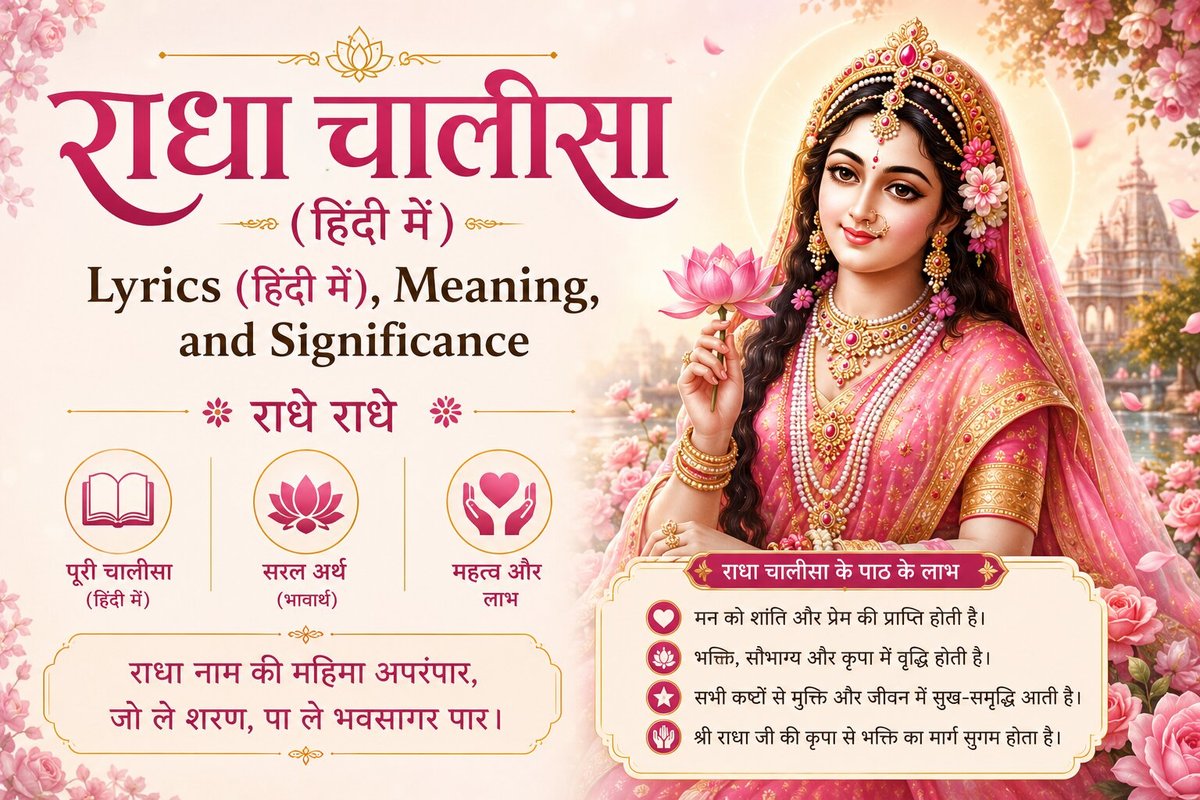

Shyam Baba of Khatu - the lord who redeems the fallen and the forgotten
Khatu Shyam, enshrined at the celebrated temple in Khatu (Rajasthan), is beloved as the deity who is especially compassionate toward those the world considers broken or unworthy - earning the epithet Haare ka Sahara, the refuge of the defeated. The Khatu Shyam Chalisa moves through a rasa of tender longing and unconditional surrender, where the devotee comes not with a list of achievements but with the simple admission of need. This hymn is most fervently recited on Ekadashi days and during the grand Lachhami fair at Phalguna Shukla Dashami to Dwadashi, which draws enormous numbers of pilgrims to Khatu each year. Many devotees also recite it every Thursday and on Falgun Ekadashi, and it is a standard part of the morning puja in households across Rajasthan and Haryana.
What sets the Khatu Shyam Chalisa apart within the Chalisa tradition is its deeply personal, confession-like quality: the hymn openly acknowledges the devotee's limitations and stakes everything on Baba's legendary willingness to accept all who come. The mythological backdrop - Barbarika's head, which Shyam Baba is understood to embody, witnessed the entire Mahabharata battle and therefore holds infinite compassion for all sides of every conflict - lends the Chalisa a uniquely inclusive spiritual logic. The insight that emerges is quietly transformative: that the most honest prayer is not one that presents one's best self, but one that presents one's truest self, trusting that grace is large enough to meet it.