Lingashtakam - Eight Verses to the Sadashiva Linga
Lingashtakam - Sanskrit Text
ब्रह्ममुरारिसुरार्चितलिङ्गं निर्मलभासितशोभितलिङ्गम् ।
जन्मजदुःखविनाशकलिङ्गं तत्प्रणमामि सदाशिवलिङ्गम् ॥१॥
देवमुनिप्रवरार्चितलिङ्गं कामदहं करुणाकरलिङ्गम् ।
रावणदर्पविनाशनलिङ्गं तत्प्रणमामि सदाशिवलिङ्गम् ॥२॥
सर्वसुगन्धिसुलेपितलिङ्गं बुद्धिविवर्धनकारणलिङ्गम् ।
सिद्धसुरासुरवन्दितलिङ्गं तत्प्रणमामि सदाशिवलिङ्गम् ॥३॥
कनकमहामणिभूषितलिङ्गं फणिपतिवेष्टितशोभितलिङ्गम् ।
दक्षसुयज्ञविनाशनलिङ्गं तत्प्रणमामि सदाशिवलिङ्गम् ॥४॥
कुङ्कुमचन्दनलेपितलिङ्गं पङ्कजहारसुशोभितलिङ्गम् ।
सञ्चितपापविनाशनलिङ्गं तत्प्रणमामि सदाशिवलिङ्गम् ॥५॥
देवगणार्चितसेवितलिङ्गं भावैर्भक्तिभिरेव च लिङ्गम् ।
दिनकरकोटिप्रभाकरलिङ्गं तत्प्रणमामि सदाशिवलिङ्गम् ॥६॥
अष्टदलोपरिवेष्टितलिङ्गं सर्वसमुद्भवकारणलिङ्गम् ।
अष्टदरिद्रविनाशितलिङ्गं तत्प्रणमामि सदाशिवलिङ्गम् ॥७॥
सुरगुरुसुरवरपूजितलिङ्गं सुरवनपुष्पसदार्चितलिङ्गम् ।
परात्परं परमात्मकलिङ्गं तत्प्रणमामि सदाशिवलिङ्गम् ॥८॥
लिङ्गाष्टकमिदं पुण्यं यः पठेच्छिवसन्निधौ ।
शिवलोकमवाप्नोति शिवेन सह मोदते ॥
Transliteration (Roman/IAST)
Brahmamurārisurārcitaliṅgaṃ nirmalabhāsitaśobhitaliṅgam |
Janmajaduḥkhavināśakaliṅgaṃ tatpraṇamāmi sadāśivaliṅgam ||1||
Devamunipravarārcitaliṅgaṃ kāmadahaṃ karuṇākaraliṅgam |
Rāvaṇadarpavināśanaliṅgaṃ tatpraṇamāmi sadāśivaliṅgam ||2||
Sarvasugandhisulepitaliṅgaṃ buddhivivardhanakāraṇaliṅgam |
Siddhasurāsuravanditaliṅgaṃ tatpraṇamāmi sadāśivaliṅgam ||3||
Kanakamahāmaṇibhūṣitaliṅgaṃ phaṇipativeṣṭitaśobhitaliṅgam |
Dakṣasuyajñavināśanaliṅgaṃ tatpraṇamāmi sadāśivaliṅgam ||4||
Kuṅkumacandanalepitaliṅgaṃ paṅkajahārasuśobhitaliṅgam |
Sañcitapāpavināśanaliṅgaṃ tatpraṇamāmi sadāśivaliṅgam ||5||
Devagaṇārcitasevitaliṅgaṃ bhāvairbhaktibhireva ca liṅgam |
Dinakarakoṭiprabhākaraliṅgaṃ tatpraṇamāmi sadāśivaliṅgam ||6||
Aṣṭadalopariveṣṭitaliṅgaṃ sarvasamudbhavakāraṇaliṅgam |
Aṣṭadaridravināśitaliṅgaṃ tatpraṇamāmi sadāśivaliṅgam ||7||
Suragurusuravarapūjitaliṅgaṃ suravanapuṣpasadārcitaliṅgam |
Parātparaṃ paramātmakaliṅgaṃ tatpraṇamāmi sadāśivaliṅgam ||8||
Liṅgāṣṭakamidaṃ puṇyaṃ yaḥ paṭhecchivasannidhau |
Śivalokamavāpnoti śivena saha modate ||
Meaning
Each verse bows to the Sadashiva Linga, the formless symbol of the Supreme. I bow to the Linga worshipped by Brahma, Vishnu (Murari) and the gods, pure and radiant, the destroyer of the sorrow of birth. I bow to the Linga adored by gods and great sages, the burner of desire (Kama), the abode of compassion, the destroyer of Ravana's pride. I bow to the Linga anointed with all fragrances, the cause of expanding wisdom (buddhi), venerated by the siddhas, gods and demons; adorned with gold and great jewels, encircled by the king of serpents, destroyer of Daksha's sacrifice; smeared with kumkum and sandal, garlanded with lotuses, the destroyer of accumulated sins; served by hosts of gods through devotion, radiant as a million suns; encircled upon the eight-petalled lotus, the cause of all creation, destroyer of the eight kinds of poverty; worshipped by the guru of the gods and the best of devas with the flowers of the celestial groves, higher than the highest, the very essence of the Supreme Self. The phala-shruti promises that whoever recites this holy Lingashtakam in the presence of Shiva attains Shiva-loka and rejoices in the company of Shiva.
About this Stotra/Mantra
The Lingashtakam is a classical eight-verse Sanskrit hymn in praise of the Shiva Linga, the aniconic emblem through which Lord Shiva is worshipped. Recited daily by millions and especially during Maha Shivaratri and the month of Shravan, it is one of the most popular and accessible of all Shiva stotras, its rhythmic refrain 'tatpranamami sadashivalingam' easy to learn and deeply meditative.
Significance & Spiritual Benefits
Reciting the Lingashtakam is said to destroy the sorrows of birth and death, dissolve accumulated sins, expand wisdom, and remove the eight forms of poverty (ashta-daridrya). The phala-shruti promises attainment of Shiva-loka and eternal joy in Shiva's presence. Devotees chant it for peace, prosperity, liberation and the steady remembrance of the Supreme through the Linga.
Astrological Relevance
Lord Shiva is the supreme deity for the malefics, and his worship is the foremost remedy for an afflicted Saturn (Shani), Rahu and Ketu, and for the karaka of the soul, the Sun, when troubled. Abhishekam of the Shiva Linga with water and the recitation of the Lingashtakam is a classic remedy during Sade Sati and Shani dasha, and for Kaal Sarpa and Pitra dosha. Because the hymn mentions the removal of the eight poverties, it is also recited for prosperity and relief from financial hardship.
How to Chant (Vidhi)
After bathing, sit or stand before a Shiva Linga and perform abhishekam with water, milk or bilva-infused water. Offer bilva (bel) leaves, white flowers, sandal and bhasma. Recite the eight verses with the refrain, ideally completing the phala-shruti. Conclude with the Panchakshara mantra 'Om Namah Shivaya' and aarti.
Best Day & Time
Monday (Somvar) is sacred to Shiva, and Pradosham (the 13th tithi at dusk) and Maha Shivaratri are the most powerful occasions. The month of Shravan is especially auspicious for daily recitation. Early morning or the pradosha twilight hour is ideal.
Frequently Asked Questions
What does the refrain 'tatpranamami sadashivalingam' mean?
It means 'I bow to that Sadashiva Linga' - the formless, eternal symbol of Lord Shiva. Each of the eight verses ends with this salutation.
What are the eight poverties the hymn removes?
'Ashta-daridrya' refers to the eight forms of want or misfortune. The seventh verse praises the Linga as the destroyer of these eight poverties, which is why the hymn is also recited for prosperity.
When is the best time to recite the Lingashtakam?
Mondays, Pradosham, and especially Maha Shivaratri and the month of Shravan are ideal, preferably during abhishekam of the Shiva Linga.
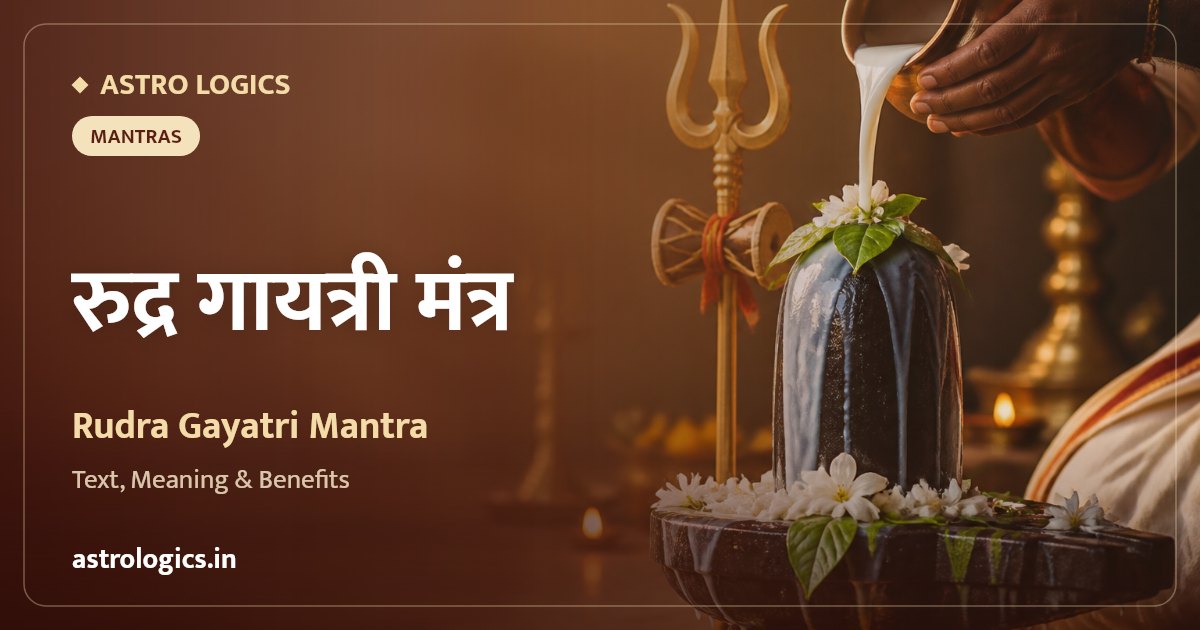
The Lingashtakam: eight praises of the symbol that holds everything
The Shiva Linga, before it is a form, is a philosophical statement: it represents the formless Absolute made visible at the boundary of comprehension. The Lingashtakam, one of the most recited of all Shiva stotras, brings eight different qualities of the Linga into view - its cosmic worship by Brahma, Vishnu and the celestial hosts; its purity; its power to dissolve bondage - with each verse functioning as a complete meditation. The cumulative effect of all eight is a sense of the Linga as something that simultaneously exceeds the universe and is intimately available at the altar in every Shiva temple. That quality of nearness within immensity is what keeps devotees returning to this text morning after morning.
The Lingashtakam is recited daily as part of Shiva puja, on Mondays, and with particular fervour on Pradosha and Maha Shivaratri. In the Jyotish tradition, the Shiva Linga is associated with Saturn and with Rahu and Ketu - forces of karmic purification and release from the cycle of consequence. Devotees believe that offering this ashtakam sincerely, especially during Saturn's transits or during challenging planetary periods, creates a spiritual container for difficulty: the eight poverties that the hymn traditionally promises to dissolve are understood not only as material lack but as the inner scarcities - of courage, patience, devotion, and clarity - that Shiva's grace is uniquely suited to replenish.