Vaishno Devi Chalisa: Complete Lyrics, Meaning, and Significance
Vaishno Devi Chalisa Lyrics (हिंदी में)
॥ दोहा ॥
गरुड़ वाहिनी वैष्णवी, त्रिकुटा पर्वत धाम।
काली, लक्ष्मी, सरस्वती, शक्ति तुम्हें प्रणाम॥
॥ चौपाई ॥
नमो: नमो: वैष्णो वरदानी। कलि काल मे शुभ कल्याणी॥
मणि पर्वत पर ज्योति तुम्हारी। पिंडी रूप में हो अवतारी॥
देवी देवता अंश दियो है। रत्नाकर घर जन्म लियो है॥
करी तपस्या राम को पाऊँ। त्रेता की शक्ति कहलाऊँ॥
कहा राम मणि पर्वत जाओ। कलियुग की देवी कहलाओ॥
विष्णु रूप से कल्की बनकर। लूंगा शक्ति रूप बदलकर॥
तब तक त्रिकुटा घाटी जाओ। गुफा अंधेरी जाकर पाओ॥
काली-लक्ष्मी-सरस्वती माँ। करेंगी पोषण-पार्वती माँ॥
ब्रह्मा, विष्णु, शंकर द्वारे। हनुमत भैरों प्रहरी प्यारे॥
रिद्धि, सिद्धि चंवर डुलावें। कलियुग-वासी पूजत आवें॥
पान सुपारी ध्वजा नारियल। चरणामृत चरणों का निर्मल॥
दिया फलित वर माँ मुस्काई। करन तपस्या पर्वत आई॥
कलि कालकी भड़की ज्वाला। इक दिन अपना रूप निकाला॥
कन्या बन नगरोटा आई। योगी भैरों दिया दिखाई॥
रूप देख सुन्दर ललचाया। पीछे-पीछे भागा आया॥
कन्याओं के साथ मिली माँ। कौल-कंदौली तभी चली माँ॥
देवा माई दर्शन दीना। पवन रूप हो गई प्रवीणा॥
नवरात्रों में लीला रचाई। भक्त श्रीधर के घर आई॥
योगिन को भण्डारा दीना। सबने रूचिकर भोजन कीना॥
मांस, मदिरा भैरों मांगी। रूप पवन कर इच्छा त्यागी॥
बाण मारकर गंगा निकाली। पर्वत भागी हो मतवाली॥
चरण रखे आ एक शिला जब। चरण-पादुका नाम पड़ा तब॥
पीछे भैरों था बलकारी। छोटी गुफा में जाय पधारी॥
नौ माह तक किया निवासा। चली फोड़कर किया प्रकाशा॥
आद्या शक्ति-ब्रह्म कुमारी। कहलाई माँ आद कुंवारी॥
गुफा द्वार पहुँची मुस्काई। लांगुर वीर ने आज्ञा पाई॥
भागा-भागा भैरों आया। रक्षा हित निज शस्त्र चलाया॥
पड़ा शीश जा पर्वत ऊपर। किया क्षमा जा दिया उसे वर॥
अपने संग में पुजवाऊंगी। भैरों घाटी बनवाऊंगी॥
पहले मेरा दर्शन होगा। पीछे तेरा सुमरन होगा॥
बैठ गई माँ पिण्डी होकर। चरणों में बहता जल झर-झर॥
चौंसठ योगिनी-भैंरो बरवन। सप्तऋषि आ करते सुमरन॥
घंटा ध्वनि पर्वत पर बाजे। गुफा निराली सुन्दर लागे॥
भक्त श्रीधर पूजन कीना। भक्ति सेवा का वर लीना॥
सेवक ध्यानूं तुमको ध्याया। ध्वजा व चोला आन चढ़ाया॥
सिंह सदा दर पहरा देता। पंजा शेर का दु:ख हर लेता॥
जम्बू द्वीप महाराज मनाया। सर सोने का छत्र चढ़ाया॥
हीरे की मूरत संग प्यारी। जगे अखंड इक जोत तुम्हारी॥
आश्विन चैत्र नवराते आऊँ। पिण्डी रानी दर्शन पाऊँ॥
सेवक 'शर्मा' शरण तिहारी। हरो वैष्णो विपत हमारी॥
॥ दोहा ॥
कलियुग में महिमा तेरी, है माँ अपरम्पार।
धर्म की हानि हो रही, प्रगट हो अवतार॥
Vaishno Devi Chalisa – Transliteration (English)
|| Doha ||
Garud Vahini Vaishnavi, Trikuta Parvat Dham.
Kali, Lakshmi, Saraswati, Shakti Tumhein Pranam.
|| Chaupai ||
Namo: Namo: Vaishno Vardaani. Kali Kaal Mein Shubh Kalyaani.
Mani Parvat Par Jyoti Tumhari. Pindi Roop Mein Ho Avatari.
Devi Devata Ansh Diyo Hai. Ratnakar Ghar Janm Liyo Hai.
Kari Tapasya Ram Ko Paaun. Treta Ki Shakti Kahlaoon.
Kaha Ram Mani Parvat Jao. Kaliyug Ki Devi Kahlao.
Vishnu Roop Se Kalki Bankar. Lunga Shakti Roop Badal Kar.
Tab Tak Trikuta Ghati Jao. Gufa Andheri Jakar Pao.
Kali-Lakshmi-Saraswati Maan. Karengi Poshan-Parvati Maan.
Brahma, Vishnu, Shankar Dvare. Hanumat Bhairo Prahari Pyare.
Riddhi, Siddhi Chanvar Dulaaven. Kaliyug-Vasi Puujat Aaven.
Pan Supari Dhvaja Nariyal. Charnamrit Charano Ka Nirmal.
Diya Phalit Var Maan Muskaai. Karan Tapasya Parvat Aai.
Kali Kaalkee Bhadaki Jwala. Ik Din Apna Roop Nikala.
Kanya Ban Nagrota Aai. Yogi Bhairo Diya Dikhai.
Roop Dekh Sundar Lalachaya. Peeche-Peeche Bhaaga Aaya.
Kanyaon Ke Saath Mili Maan. Kaul-Kandauli Tabhi Chali Maan.
Deva Mai Darshan Dina. Pavan Roop Ho Gayi Praveena.
Navraatron Mein Leela Rachai. Bhakt Shridhar Ke Ghar Aai.
Yogin Ko Bhandara Dina. Sabne Ruchikaar Bhojan Kina.
Mans, Madira Bhairo Mangi. Roop Pavan Kar Ichchha Tyagi.
Baan Markar Ganga Nikali. Parvat Bhaagi Ho Matwali.
Charan Rakhe Aa Ek Shila Jab. Charan-Paduka Naam Pada Tab.
Peeche Bhairo Tha Balkari. Chhoti Gufa Mein Jaay Padhari.
Nau Maas Tak Kiya Nivasa. Chali Phodkar Kiya Prakasha.
Aadya Shakti-Brahm Kumari. Kahlai Maan Aad Kunwari.
Gufa Dvar Pahunchi Muskaai. Langur Veer Ne Aagya Pai.
Bhaga-Bhaga Bhairo Aaya. Raksha Hit Nij Shastr Chalaya.
Pada Shish Ja Parvat Upar. Kiya Kshama Ja Diya Use Var.
Apne Sang Mein Pujvaoongi. Bhairo Ghati Banvaoongi.
Pehle Mera Darshan Hoga. Peeche Tera Sumaran Hoga.
Baith Gayi Maan Pindi Hokar. Charano Mein Bahta Jal Jhar-Jhar.
Chaunsath Yogini-Bhairo Barvan. Saptarishi Aa Karte Sumaran.
Ghanta Dhvani Parvat Par Baaje. Gufa Nirali Sundar Laage.
Bhakt Shridhar Pujan Kina. Bhakti Seva Ka Var Lina.
Sevak Dhyanu Tumko Dhyaya. Dhvaja Va Chola Aan Chadaya.
Singh Sada Dar Pahra Deta. Panja Sher Ka Duhkh Har Leta.
Jambu Dveep Maharaj Manaya. Sar Sone Ka Chhatra Chadhaya.
Hire Ki Moort Sang Pyari. Jage Akhand Ik Jot Tumhari.
Ashwin Chaitr Navrate Aaoon. Pindi Rani Darshan Paaoon.
Sevak Sharma Sharan Tihari. Haro Vaishno Vipat Hamari.
|| Doha ||
Kaliyug Mein Mahima Teri, Hai Maan Aparampar.
Dharm Ki Hani Ho Rahi, Pragat Ho Avatar.
Meaning & Significance
The Vaishno Devi Chalisa narrates, in forty devotional verses, the sacred origin story of Mata Vaishno Devi - the divine maiden born of divine energy from multiple gods, who performed tapas to meet Lord Rama, received his command to reside in the Trikuta Mountains until the Kali Yuga, and ultimately manifested as the Pindi (sacred rock formation) within the holy cave of Trikuta. The chalisa recounts the iconic episodes: the divine girl's incarnation in the home of Ratnakar, her journey to the Trikuta range, her nine months of residence in the Garbha Joon cave, and the legendary encounter with Bhairon Nath - whom she later forgave and granted a place in her eternal shrine. Each verse is both a narrative snapshot and a devotional affirmation, culminating in the prayer that the Goddess continue to protect her devotees in the current Kali Yuga.
About Vaishno Devi
Mata Vaishno Devi is one of the most widely worshipped manifestations of the divine feminine in contemporary Hinduism. Her principal shrine is located in a cave at an altitude of approximately 5,200 feet in the Trikuta Mountains of the Reasi district, Jammu and Kashmir. The cave enshrines three natural rock formations (pindis) representing the three aspects of the Goddess - Mahakali, Mahalakshmi, and Mahasaraswati - unified in one transcendent form. The annual pilgrimage draws millions of devotees from across India and the diaspora, making Vaishno Devi one of the most-visited pilgrimage sites in the world. Devotees undertake the approximately 14-kilometre trek from the base camp at Katra as an act of devotion, often chanting "Jai Mata Di" throughout the ascent.
Benefits of Reciting the Vaishno Devi Chalisa
- Regular recitation is held to invoke the Goddess's protection over the household and grant safe passage through difficulties.
- Devotees who cannot undertake the physical pilgrimage to Katra recite this chalisa as a form of spiritual darshan, receiving the merit of the visit.
- The chalisa reaffirms the Goddess's triple identity as Kali, Lakshmi, and Saraswati, making it a comprehensive invocation of all three divine feminine energies simultaneously.
- Recitation during Navratri - particularly Chaitra and Shardiya - is considered especially potent at the Trikuta pilgrimage site and in homes worldwide.
- The verses detailing Bhairon's forgiveness and redemption are often cited as a teaching on the Goddess's infinite compassion, inspiring devotees to approach her without fear.
- Sincere daily recitation is said to cultivate courage, unwavering faith, and a sense of divine companionship on the journey of life.
How to Recite (Vidhi)
- Bathe and wear clean red or orange clothing, colours traditionally associated with Mata Vaishno Devi's shrine.
- Establish the Goddess's image or a Kalash (sacred pot representing her presence); offer red flowers, kumkuma, and light a diya.
- Begin with three repetitions of "Jai Mata Di" - the traditional salutation heard throughout the Katra pilgrimage route.
- Recite the chalisa slowly, verse by verse, envisioning the sacred cave of Trikuta and the Goddess's luminous Pindi form within.
- Conclude with the Vaishno Devi aarti and offer a coconut or red cloth as symbolic prasad.
- Sit in quiet gratitude for a few moments, inwardly completing a mental parikrama (circumambulation) of the sacred cave.
Best Day & Time to Recite
Friday and Tuesday are the most auspicious weekdays for this recitation. Both Navratri festivals - Chaitra Navratri (March–April) and Shardiya Navratri (September–October) - are the peak periods for Vaishno Devi devotion worldwide, and daily recitation during all nine nights carries exceptional spiritual weight. The pre-dawn Brahma Muhurta remains the ideal daily slot. Ashtami (eighth) and Navami (ninth) tithi of both Navratris are the most sacred individual days. Year-round, any full moon (Purnima) is auspicious, as is the anniversary of the devotee's first visit to the shrine.
Frequently Asked Questions
Why are three Pindis worshipped at the Vaishno Devi cave?
The three naturally formed rock structures (Pindis) in the Vaishno Devi cave represent Mahakali, Mahalakshmi, and Mahasaraswati - the three primary aspects of the one Adi-Shakti. The chalisa affirms this triple identity in its opening doha: "Kali, Lakshmi, Saraswati, Shakti tumhein pranam." Worshipping the three Pindis together is equivalent to the worship of the entire manifest divine feminine, making the shrine uniquely comprehensive.
Who is Bhairon Nath and why is his shrine visited after Mata's cave?
Bhairon Nath (Bhairavnath) is a tantric figure who, according to the chalisa's narrative, pursued the divine girl toward the cave. Mata beheaded him after he persisted in his transgression, but she then forgave him and granted him the boon that all pilgrims would first take her darshan and then visit his shrine. His shrine sits above the main Vaishno Devi cave, and completing the yatra (pilgrimage) without visiting Bhairon Nath is traditionally considered incomplete.
Can the Vaishno Devi Chalisa substitute for the physical pilgrimage?
While the physical pilgrimage to Katra and the sacred cave is considered the most complete form of devotion, sincere recitation of the Vaishno Devi Chalisa is widely regarded as a form of mental pilgrimage (manasa yatra). The Goddess's compassion is held to be boundless, and those unable to travel due to age, health, or circumstance may receive her grace through devoted daily recitation. Many devotees combine chalisa recitation with virtual darshan available through the shrine's official livestream as a complementary practice.
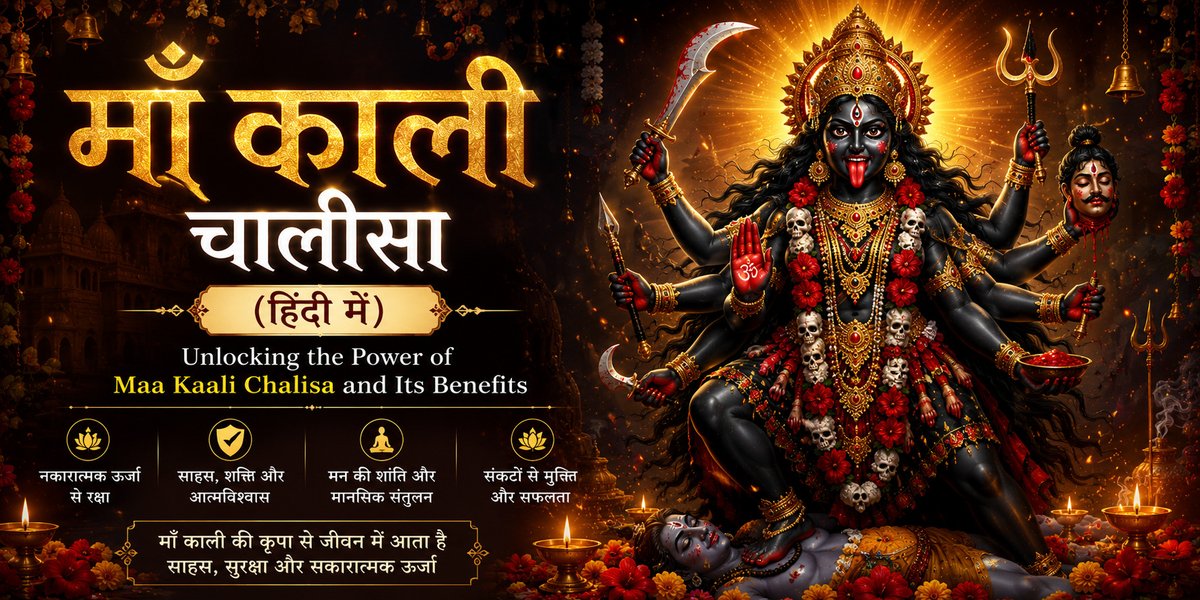
Climbing Trikuta in the heart: the devotional spirit of this Chalisa
The Vaishno Devi Chalisa is an act of inner pilgrimage as much as a verbal one. Mata Vaishno Devi resides in the Trikuta mountains of Jammu, enshrined in a natural cave as three rock-formed pindis representing Mahakali, Mahalakshmi, and Mahasaraswati - the three great aspects of the Divine Mother in her unified, beyond-form splendour. The Chalisa draws the devotee's mind through this sacred geography, evoking the long climb, the river blessings, and the awe of entering the sanctum, creating a meditative journey for those who cannot undertake the physical yatra and deepening the experience for those who have. The dominant mood is one of sharan bhav - total surrender to the Mother - and the Chalisa is permeated by a sense that she calls each soul to her in its own time.
Navaratri is the most sacred season for reciting this Chalisa: both the Chaitra and Sharada Navaratris see enormous gatherings of devotees, and many households in northern India make it a practice to recite the forty verses each morning during these nine days as a form of dedicated seva to the Goddess. Even beyond Navaratri, Fridays and the eighth lunar day (Ashtami) are considered especially fitting times to engage with this hymn. Devotees believe that regular recitation cultivates the same quality of faith that sustained countless pilgrims through the mountain trek - a quiet, unshakeable trust in the Mother's grace.