Durga Chalisa Lyrics (हिंदी में)
॥ दोहा ॥
या देवी सर्वभुतेषु मातृरूपेण संस्थिता ।
नमस्तस्यै नमस्तस्यै नमस्तस्यै नमो नमः ॥
॥ चौपाई ॥
नमो नमो दुर्गे सुख करनी ।
नमो नमो अम्बे दुःख हरनी ॥ 1 ॥
निराकार है ज्योति तुम्हारी ।
तिहूं लोक फैली उजियारी ॥ 2 ॥
शशि ललाट मुख महाविशाला ।
नेत्र लाल भृकुटी विकराला ॥ 3 ॥
रूप मातु को अधिक सुहावे ।
दरश करत जन अति सुख पावे ॥ 4 ॥
तुम संसार शक्ति लै कीना ।
पालन हेतु अन्न धन दीना ॥ 5 ॥
अन्नपूर्णा हुई जग पाला ।
तुम ही आदि सुन्दरी बाला ॥ 6 ॥
प्रलयकाल सब नाशन हारी ।
तुम गौरी शिव शंकर प्यारी ॥ 7 ॥
शिव योगी तुम्हरे गुण गावें ।
ब्रह्मा विष्णु तुम्हें नित ध्यावें ॥ 8 ॥
रुप सरस्वती को तुम धारा ।
दे सुबुद्धि ॠषि मुनिन उबारा ॥ 9 ॥
धरा रूप नरसिंह को अम्बा ।
प्रकट भई फाडकर खम्बा ॥ 10 ॥
रक्षा करि प्रह्लाद बचायो ।
हिरण्याक्ष को स्वर्ग पठायो ॥ 11 ॥
लक्ष्मी रूप धरो जग माहीं ।
श्री नारायण अंग समाहीं ॥ 12 ॥
क्षीरसिन्धु में करत विलासा ।
दयासिन्धु दीजै मन आसा ॥ 13 ॥
हिंगलाज में तुम्हीं भवानी ।
महिमा अमित न जात बखानी ॥ 14 ॥
मातंगी धूमावति माता ।
भुवनेश्वरि बगला सुखदाता ॥ 15 ॥
श्री भैरव तारा जग तारिणि ।
छिन्न भाल भव दुःख निवारिणि ॥ 16 ॥
केहरि वाहन सोह भवानी ।
लांगुर वीर चलत अगवानी ॥ 17 ॥
कर में खप्पर खड्ग विराजे ।
जाको देख काल डर भागे ॥ 18 ॥
सोहे अस्त्र और त्रिशूला ।
जाते उठत शत्रु हिय शुला ॥ 19 ॥
नगरकोट में तुम्हीं विराजत ।
तिहूं लोक में डंका बाजत ॥ 20 ॥
शुंभ निशुंभ दानव तुम मारे ।
रक्तबीज शंखन संहारे ॥ 21 ॥
महिषासुर नृप अति अभिमानी ।
जेहि अघ भार मही अकुलानी ॥ 22 ॥
रूप कराल कालिका धारा ।
सैन्य सहित तुम तिहि संहारा ॥ 23 ॥
परी गाढं संतन पर जब जब ।
भई सहाय मातु तुम तब तब ॥ 24 ॥
अमरपूरी अरू बासव लोका ।
तब महिमा रहें अशोका ॥ 25 ॥
ज्वाला में है ज्योति तुम्हारी ।
तुम्हें सदा पूजें नर नारी ॥ 26 ॥
प्रेम भक्ति से जो यश गावे ।
दुःख दारिद्र निकट नहिं आवे ॥ 27 ॥
ध्यावे तुम्हें जो नर मन लाई ।
जन्म मरण ताको छुटि जाई ॥ 28 ॥
जोगी सुर मुनि कहत पुकारी ।
योग न हो बिन शक्ति तुम्हरी ॥ 29 ॥
शंकर आचारज तप कीनो ।
काम अरु क्रोध जीति सब लीनो ॥ 30 ॥
निशिदिन ध्यान धरो शंकर को ।
काहु काल नहीं सुमिरो तुमको ॥ 31 ॥
शक्ति रूप को मरम न पायो ।
शक्ति गई तब मन पछतायो ॥ 32 ॥
शरणागत हुई कीर्ति बखानी ।
जय जय जय जगदंब भवानी ॥ 33 ॥
भई प्रसन्न आदि जगदम्बा ।
दई शक्ति नहिं कीन विलंबा ॥ 34 ॥
मोको मातु कष्ट अति घेरो ।
तुम बिन कौन हरै दुःख मेरो ॥ 35 ॥
आशा तृष्णा निपट सतावें ।
मोह मदादिक सब विनशावें ॥ 36 ॥
शत्रु नाश कीजै महारानी ।
सुमिरौं इकचित तुम्हें भवानी ॥ 37 ॥
करो कृपा हे मातु दयाला ।
ॠद्धि सिद्धि दे करहु निहाला ॥ 38 ॥
जब लगि जिऊं दया फल पाऊं ।
तुम्हरो यश मैं सदा सुनाऊं ॥ 39 ॥
दुर्गा चालीसा जो नित गावै ।
सब सुख भोग परम पद पावै ॥ 40 ॥
॥ दोहा ॥
देवीदास शरण निज जानी ।
करहु कृपा जगदम्ब भवानी ॥
Durga Chalisa – Transliteration (English)
|| Doha ||
Yaa Devii Sarvabhutessu Maatrruupenna Samsthitaa |
Namastasyai Namastasyai Namastasyai Namo Namah ||
|| Chaupai ||
Namo Namo Durge Sukha Karanii |
Namo Namo Ambe Duhkha Haranii || 1 ||
Niraakaara Hai Jyoti Tumhaarii |
Tihuu Lok Phailii Ujiyaarii || 2 ||
Shashi Lalaatta Mukha Mahaavishaalaa |
Netra Laala Bhrkuttii Vikaraalaa || 3 ||
Ruupa Maatu Ko Adhik Suhaave |
Darasha Karata Jana Ati Sukh Paave || 4 ||
Tum Samsaar Shakti Lai Kiinaa |
Paalan Hetu Anna Dhana Diinaa || 5 ||
Annapuurnnaa Huii Jag Paalaa |
Tum Hii Aadi Sundarii Baalaa || 6 ||
Pralayakaal Sab Naashana Haarii |
Tum Gaurii Shiv Shamkara Pyaarii || 7 ||
Shiv Yogii Tumhare Gunn Gaave |
Brahmaa Vissnnu Tumhe Nit Dhyaave || 8 ||
Rup Sarasvatii Ko Tum Dhaaraa |
De Subuddhi Rrssi Munina Ubaaraa || 9 ||
Dharaa Ruup Narasimha Ko Ambaa |
Prakatt Bhii Phaaddakar Khambaa || 10 ||
Rakssaa Kari Prahlaad Bacaayo |
Hirannyaakssa Ko Svarga Patthaayo || 11 ||
Lakssmii Ruup Dharo Jag Maahii |
Shrii Naaraayann Anga Samaahii || 12 ||
Kssiirasindhu Mei Karata Vilaasaa |
Dayaasindhu Diijai Mana Aasaa || 13 ||
Himgalaaja Mei Tumhii Bhavaanii |
Mahimaa Amit Na Jaata Bakhaanii || 14 ||
Maatamgii Dhuumaavati Maataa |
Bhuvaneshvari Bagalaa Sukhadaataa || 15 ||
Shrii Bhairava Taaraa Jag Taarinni |
Chinna Bhaala Bhava Duhkha Nivaarinni || 16 ||
Kehari Vaahana Soha Bhavaanii |
Laangur Viira Calata Agavaanii || 17 ||
Kara Mei Khappar Khaddga Viraaje |
Jaako Dekh Kaala Ddar Bhaage || 18 ||
Sohe Astra Aur Trishuulaa |
Jaate Utthata Shatru Hiya Shulaa || 19 ||
Nagarakott Mei Tumhii Viraajat |
Tihuu Lok Mei Ddankaa Baajat || 20 ||
Shumbha Nishumbha Daanava Tum Maare |
Raktabiija Shamkhana Samhaare || 21 ||
Mahissaasura Nrpa Ati Abhimaanii |
Jehi Agha Bhaar Mahii Akulaanii || 22 ||
Ruup Karaala Kaalikaa Dhaaraa |
Sainya Sahit Tum Tihi Samhaaraa || 23 ||
Parii Gaaddh Santana Par Jab Jab |
Bhaii Sahaaya Maatu Tum Tab Tab || 24 ||
Amarapuurii Aruu Baasava Lokaa |
Taba Mahimaa Rahei Ashokaa || 25 ||
Jvaalaa Mei Hai Jyoti Tumhaarii |
Tumhei Sadaa Puuje Nara Naarii || 26 ||
Prem Bhakti Se Jo Yash Gaave |
Duhkha Daaridra Nikatta Nahi Aave || 27 ||
Dhyaave Tumhe Jo Nara Mana Laaii |
Janma Marann Taako Chutti Jaaii || 28 ||
Jogii Sura Muni Kahata Pukaarii |
Yog Na Ho Bina Shakti Tumharii || 29 ||
Shankara Aacaaraj Tapa Kiino |
Kaama Aru Krodha Jiit Sab Liino || 30 ||
Nishidin Dhyaana Dharo Shankara Ko |
Kaahu Kaala Nahii Sumiro Tumko || 31 ||
Shakti Ruupa Ko Marama Na Paayo |
Shakti Gaii Tab Mana Pachataayo || 32 ||
Sharannaagata Huii Kiirti Bakhaanii |
Jaya Jaya Jaya Jagadamba Bhavaanii || 33 ||
Bhaii Prasanna Aadi Jagadambaa |
Daii Shakti Nahi Kiina Vilambaa || 34 ||
Moko Maatu Kasstta Ati Ghero |
Tum Bin Kaun Harai Duhkha Mero || 35 ||
Aashaa Trssnnaa Nipatta Sataave |
Moha Madaadik Sab Vinashaavem || 36 ||
Shatru Naasha Kiijai Mahaaraanii |
Sumirau Ikacita Tumhem Bhavaanii || 37 ||
Karo Krpaa He Maatu Dayaalaa |
Rrddhi Siddhi De Karahu Nihaalaa || 38 ||
Jab Lagi Jiuum Dayaa Phala Paauum |
Tumharo Yasha Maim Sadaa Sunaauu || 39 ||
Durgaa Caaliisaa Jo Nit Gaavai |
Sab Sukh Bhoga Parama Pada Paavai || 40 ||
|| Doha ||
Deviidaasa Sharanna Nija Jaanii |
Karahu Krpaa Jagadamba Bhavaanii ||
Meaning & Significance
The Durga Chalisa is a forty-verse hymn of supreme devotional power addressed to Goddess Durga, the embodiment of divine feminine energy. The hymn opens with the ancient Devi Mahatmya salutation - acknowledging the Mother as She who dwells in all living beings in the form of the maternal principle. The forty chaupais then weave together a tapestry of her cosmic attributes: her formless, all-pervading radiance; her fierce, moon-adorned visage; her role as Annapurna who nourishes the world; and her terrible aspect as Kali who dissolves creation at the end of an aeon. The verses recount her legendary victories over the demons Shumbha, Nishumbha, Raktabija and the arrogant buffalo-demon Mahishasura - stories drawn from the Devi Mahatmya of the Markandeya Purana. The Chalisa also enumerates her manifestations across India's sacred geography - from Jwalamukhi and Hingalaj to Nagarkot - situating local Shakti shrines within a unified vision of the universal Mother. The final verses close with the poet Devidas placing himself at her feet, surrendering all pride and asking only for her grace. Together the hymn functions as both a theological meditation on Shakti and a heartfelt prayer for protection and liberation.
About Durga
Goddess Durga is the supreme manifestation of Adi Shakti, the primordial cosmic power that underlies all creation. Her name means the remover of difficulties, and she is worshipped as the ultimate protector of righteousness. Iconographically she rides a lion or tiger, carries an array of divine weapons in her eight or ten arms, and radiates a golden or crimson aura that illumines the three worlds. Durga is simultaneously gentle as a mother and ferocious as a warrior; she is Parvati the devoted wife of Shiva, Lakshmi the bestower of wealth, Saraswati the goddess of wisdom, and Kali the destroyer of evil - all unified in one transcendent being. Her nine principal forms, the Navadurga, are venerated during the festival of Navratri across India. Ancient Puranic texts describe how the combined energies of all the gods merged to give birth to Durga when no single deity could vanquish the demon Mahishasura - making her the ultimate convergence of divine power in the universe.
Benefits of Reciting the Durga Chalisa
How to Recite (Vidhi)
- Bathe and wear clean clothes before sitting for recitation; a red or yellow garment is traditionally preferred when worshipping Durga.
- Set up a clean altar with an image or yantra of Maa Durga; light a ghee lamp and offer red flowers, especially hibiscus or roses.
- Begin with three repetitions of Om Aim Hreem Kleem Chamundaye Viche or the Devi Mahatmya invocation to mentally focus on the goddess.
- Recite the Chalisa slowly and distinctly, keeping full attention on the meaning of each verse; rushing through the text diminishes its contemplative value.
- After completing the Chalisa, offer incense or dhoop, and conclude with Durga Aarti and a moment of silent prayer.
- During the nine nights of Navratri, a complete Saptashati recitation can accompany the Chalisa for deeper spiritual benefit.
Best Day & Time to Recite
Friday is the day most strongly associated with Goddess Durga in popular devotion, and reciting the Durga Chalisa on Fridays - especially during the shukla paksha - is considered highly propitious. The Navratri periods are the most auspicious times of the entire year for Durga worship, and chanting the Chalisa every day across all nine nights is a cherished tradition. The early morning hours of Brahma muhurta and the evening twilight hour of Pradosh kaal are preferred for recitation. The eighth day Ashtami and ninth day Navami of Navratri carry the highest spiritual charge for Durga sadhana.
Frequently Asked Questions
What is the Durga Chalisa and who composed it?
The Durga Chalisa is a traditional forty-verse devotional hymn in the chaupai meter dedicated to Goddess Durga. It is attributed to the poet Devidas, whose name appears in the closing doha. The hymn follows the classical chalisa structure: an introductory doha drawn from the Devi Mahatmya, forty rhyming chaupais praising Durga's forms and deeds, and a concluding doha of supplication. The text is centuries old and belongs to the living tradition of Shakta devotional poetry.
How many times should the Durga Chalisa be recited for maximum benefit?
Tradition recommends reciting the Durga Chalisa once each day as a regular devotional practice. During Navratri, many devotees recite it three or eleven times daily. Some practitioners undertake a forty-day chaliha vow of daily recitation as a form of sadhana. The emphasis in the hymn itself is on sincere, attentive repetition rather than mere quantity - verse 27 states that those who sing her praises with love and devotion will be freed from sorrow and poverty.
Can the Durga Chalisa be recited by anyone?
Yes. The Durga Chalisa is open to all devotees regardless of caste, gender, or previous initiation. No special diksha is required to chant this hymn. The only prerequisites mentioned within the text itself are genuine devotion and an earnest spirit of surrender to the Mother. Beginners are encouraged to follow along with a printed text until the verses are memorised, ensuring correct pronunciation of the Devanagari syllables.
 ChalisaNarmada Chalisa - नर्मदा चालीसा Lyrics, Meaning & Benefits
 ChalisaBatuk Bhairav Chalisa - बटुक भैरव चालीसा Lyrics, Meaning & Benefits
 ChalisaKaal Bhairav Chalisa - काल भैरव चालीसा Lyrics, Meaning & Benefits
 ChalisaVindhyeshwari Chalisa – Lyrics, Meaning & Benefits | Vindhyachal
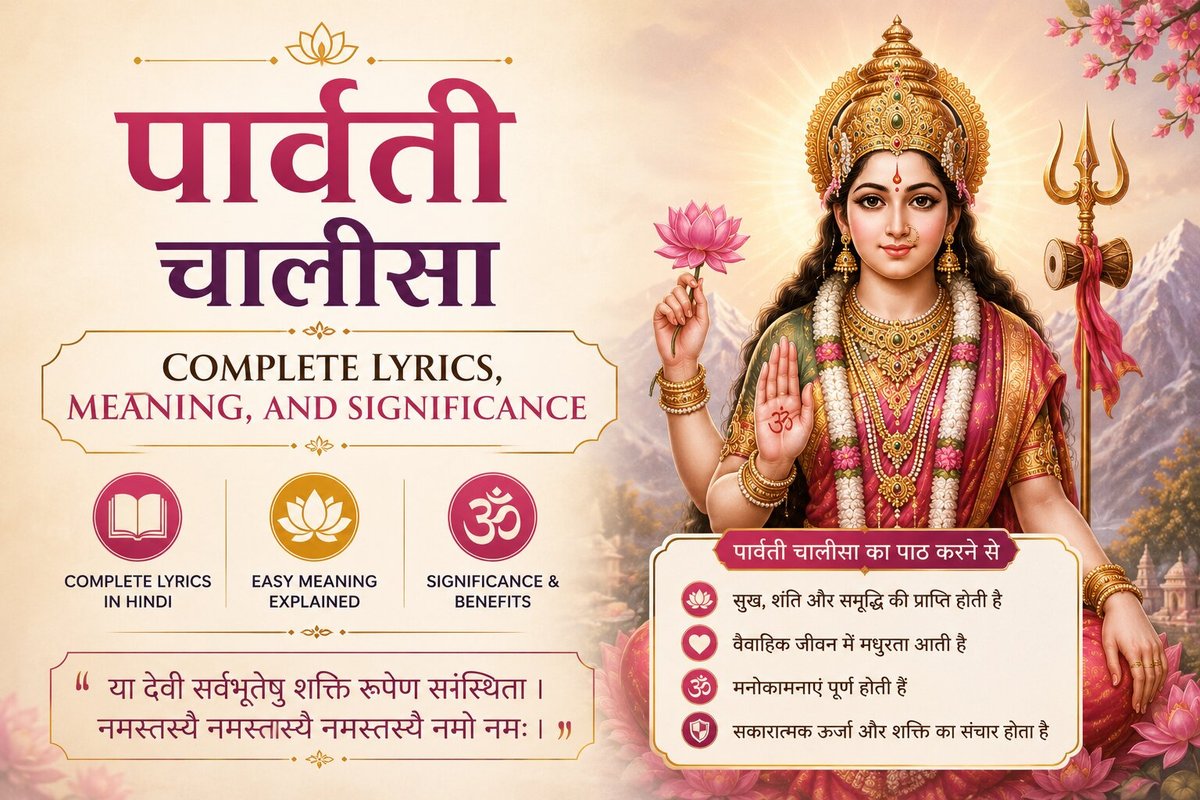 ChalisaParvati Chalisa: Complete Lyrics, Meaning, and Significance
 ChalisaVaishno Devi Chalisa: Complete Lyrics, Meaning, and Significance
 ChalisaGanga Chalisa – Lyrics, Meaning & Benefits (गंगा चालीसा)
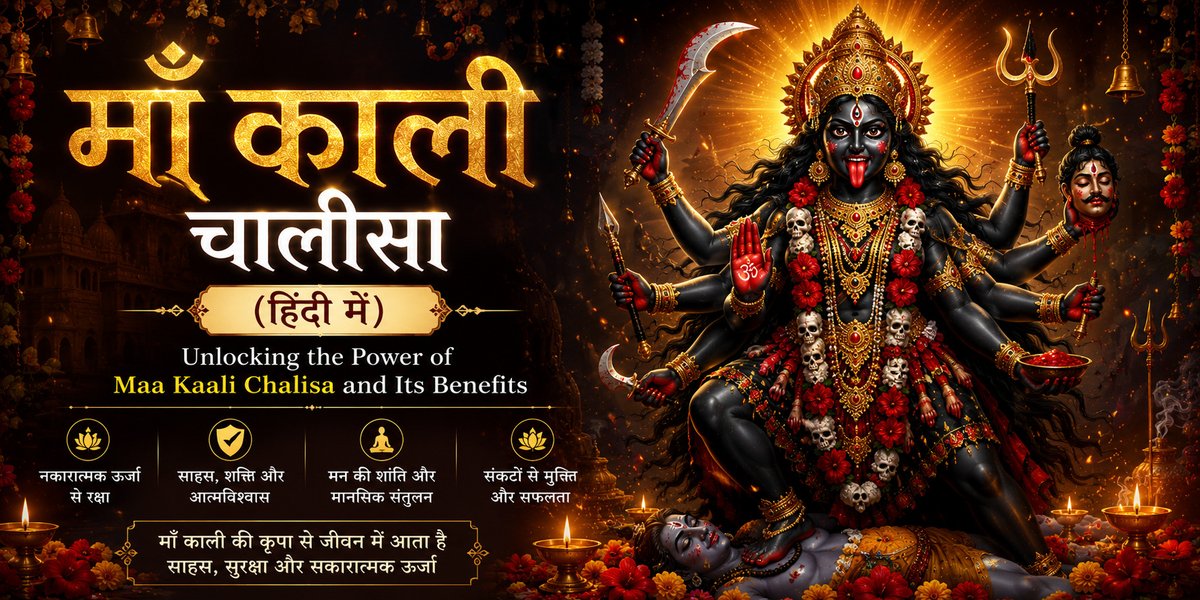 ChalisaUnlocking the Power of Maa Kaali Chalisa and Its Benefits
The fierce grace of Maa Durga and her Chalisa's devotional power
The Durga Chalisa occupies a cherished place in the daily devotional life of millions across India, calling upon the ten-armed, lion-riding Goddess in her role as the supreme vanquisher of ignorance and adversity. The mood - or rasa - of this composition is one of reverential awe and deep refuge-seeking: the devotee approaches Maa Durga not merely as a petitioner but as a child turning to a fiercely loving mother. It is most naturally recited during the nine sacred nights of Navaratri, on Fridays which are dear to the Goddess, and on the occasion of Durga Ashtami and Navami. Many households also integrate it into their daily Shakti sadhana, particularly during the Brahma Muhurta, believing that consistent recitation cultivates inner courage and dispels the forces of negativity that cloud spiritual progress.
What makes this Chalisa distinctive among Shakti hymns is its sweeping acknowledgment of Devi's many forms - from the serene Shailaputri to the radiant Mahagauri - woven into a forty-verse structure accessible to worshippers of every age. Devotees believe that holding the Goddess's glories in mind through this recitation gradually purifies the heart and sharpens one's discriminative wisdom. In the Jyotish tradition, the Goddess is closely associated with the lunar energy and with remedies for afflicted planetary positions; reciting the Durga Chalisa is therefore regarded as a spiritually wholesome complement to any Shakti-oriented remedy. The warm takeaway is simple: this hymn is an open door - no elaborate preparation is needed to step through it and feel the sheltering presence of the Divine Mother.