Bhagwan Shiv Sat-Namavali Stotram: 108 Names of Shiva with Meaning
A namavali is a litany of sacred names - each one framed between Om and namaha. The Shiva Ashtottara Shatanamavali is the hundred-and-eight names of Lord Shiva in exactly that form, and is one of the most widely recited of all Shaiva texts.
Bhagwan Shiv Sat-Namavali Stotram - Sanskrit Text
ॐ शिवाय नमः ॥ ॐ महेश्वराय नमः ॥ ॐ शम्भवे नमः ॥ ॐ पिनाकिने नमः ॥ ॐ शशिशेखराय नमः ॥
ॐ वामदेवाय नमः ॥ ॐ विरूपाक्षाय नमः ॥ ॐ कपर्दिने नमः ॥ ॐ नीललोहिताय नमः ॥ ॐ शङ्कराय नमः ॥ (१०)
ॐ शूलपाणये नमः ॥ ॐ खट्वाङ्गिने नमः ॥ ॐ विष्णुवल्लभाय नमः ॥ ॐ शिपिविष्टाय नमः ॥ ॐ अम्बिकानाथाय नमः ॥
ॐ श्रीकण्ठाय नमः ॥ ॐ भक्तवत्सलाय नमः ॥ ॐ भवाय नमः ॥ ॐ शर्वाय नमः ॥ ॐ त्रिलोकेशाय नमः ॥ (२०)
ॐ शितिकण्ठाय नमः ॥ ॐ शिवाप्रियाय नमः ॥ ॐ उग्राय नमः ॥ ॐ कपालिने नमः ॥ ॐ कौमारये नमः ॥
ॐ अन्धकासुरसूदनाय नमः ॥ ॐ गङ्गाधराय नमः ॥ ॐ ललाटाक्षाय नमः ॥ ॐ कालकालाय नमः ॥ ॐ कृपानिधये नमः ॥ (३०)
ॐ भीमाय नमः ॥ ॐ परशुहस्ताय नमः ॥ ॐ मृगपाणये नमः ॥ ॐ जटाधराय नमः ॥ ॐ कैलासवासिने नमः ॥
ॐ कवचिने नमः ॥ ॐ कठोराय नमः ॥ ॐ त्रिपुरान्तकाय नमः ॥ ॐ वृषाङ्काय नमः ॥ ॐ वृषभारूढाय नमः ॥ (४०)
ॐ भस्मोद्धूलितविग्रहाय नमः ॥ ॐ सामप्रियाय नमः ॥ ॐ स्वरमयाय नमः ॥ ॐ त्रयीमूर्तये नमः ॥ ॐ अनीश्वराय नमः ॥
ॐ सर्वज्ञाय नमः ॥ ॐ परमात्मने नमः ॥ ॐ सोमसूर्याग्निलोचनाय नमः ॥ ॐ हविषे नमः ॥ ॐ यज्ञमयाय नमः ॥ (५०)
ॐ सोमाय नमः ॥ ॐ पञ्चवक्त्राय नमः ॥ ॐ सदाशिवाय नमः ॥ ॐ विश्वेश्वराय नमः ॥ ॐ वीरभद्राय नमः ॥
ॐ गणनाथाय नमः ॥ ॐ प्रजापतये नमः ॥ ॐ हिरण्यरेतसे नमः ॥ ॐ दुर्धर्षाय नमः ॥ ॐ गिरीशाय नमः ॥ (६०)
ॐ गिरिशाय नमः ॥ ॐ अनघाय नमः ॥ ॐ भुजङ्गभूषणाय नमः ॥ ॐ भर्गाय नमः ॥ ॐ गिरिधन्वने नमः ॥
ॐ गिरिप्रियाय नमः ॥ ॐ कृत्तिवाससे नमः ॥ ॐ पुरारातये नमः ॥ ॐ भगवते नमः ॥ ॐ प्रमथाधिपाय नमः ॥ (७०)
ॐ मृत्युञ्जयाय नमः ॥ ॐ सूक्ष्मतनवे नमः ॥ ॐ जगद्व्यापिने नमः ॥ ॐ जगद्गुरवे नमः ॥ ॐ व्योमकेशाय नमः ॥
ॐ महासेनजनकाय नमः ॥ ॐ चारुविक्रमाय नमः ॥ ॐ रुद्राय नमः ॥ ॐ भूतपतये नमः ॥ ॐ स्थाणवे नमः ॥ (८०)
ॐ अहिर्बुध्न्याय नमः ॥ ॐ दिगम्बराय नमः ॥ ॐ अष्टमूर्तये नमः ॥ ॐ अनेकात्मने नमः ॥ ॐ सात्त्विकाय नमः ॥
ॐ शुद्धविग्रहाय नमः ॥ ॐ शाश्वताय नमः ॥ ॐ खण्डपरशवे नमः ॥ ॐ अजाय नमः ॥ ॐ पाशविमोचकाय नमः ॥ (९०)
ॐ मृडाय नमः ॥ ॐ पशुपतये नमः ॥ ॐ देवाय नमः ॥ ॐ महादेवाय नमः ॥ ॐ अव्ययाय नमः ॥
ॐ हरये नमः ॥ ॐ पूषदन्तभिदे नमः ॥ ॐ अव्यग्राय नमः ॥ ॐ दक्षाध्वरहराय नमः ॥ ॐ हराय नमः ॥ (१००)
ॐ भगनेत्रभिदे नमः ॥ ॐ अव्यक्ताय नमः ॥ ॐ सहस्राक्षाय नमः ॥ ॐ सहस्रपादे नमः ॥ ॐ अपवर्गप्रदाय नमः ॥
ॐ अनन्ताय नमः ॥ ॐ तारकाय नमः ॥ ॐ परमेश्वराय नमः ॥ (१०८)
Transliteration (Roman/IAST)
oṃ śivāya namaḥ, oṃ maheśvarāya namaḥ, oṃ śambhave namaḥ, oṃ pinākine namaḥ, oṃ śaśiśekharāya namaḥ … oṃ tārakāya namaḥ, oṃ parameśvarāya namaḥ. (Each of the 108 names is recited with the prefix oṃ and the suffix namaḥ, “salutations to…”)
Meaning
This namavali offers prostration to 108 names of Lord Shiva, each revealing one facet of his infinite nature: Shiva (the auspicious one), Maheshvara (the great lord), Pinakin (bearer of the bow), Shashishekhara (crowned with the moon), Gangadhara (holder of the Ganga), Mrityunjaya (conqueror of death), Tripurantaka (destroyer of the three cities), Pashupati (lord of all beings), Mahadeva (the great god), and finally Parameshvara (the supreme lord). To utter each name with “namaḥ” is to bow before that quality of the Divine.
About this Stotra
The Shiva Sat-Namavali - also known as the Shiva Ashtottara Shatanamavali - is the classic litany of 108 names of Lord Shiva, recited as a namavali (each name framed by “Om” and “namaḥ”) rather than as metered verse. The number 108 is sacred across Indian spiritual traditions, corresponding to the beads of a japa mala. The names are gathered from the Puranas and Shaiva Agamas and form one of the most widely chanted devotional litanies in Shiva worship, used in daily puja and during archana at Shiva temples.
Significance & Spiritual Benefits
Chanting the 108 names is held to bestow health, longevity, freedom from fear, and the dissolution of sins. Because each name is a meditation on a divine attribute, the practice steadies the mind and cultivates devotion (bhakti). Names like Mrityunjaya (conqueror of death) and Kalakala (death of Death) make this litany a favourite remedy for those seeking protection from untimely death, illness, and chronic affliction. Performed as archana with bilva leaves, it is believed to draw Shiva’s grace swiftly.
Astrological Relevance
Lord Shiva is the cosmic ruler over the malefic and the inauspicious, and is especially invoked to pacify Shani (Saturn), Rahu, Ketu, and the Moon. As Chandrashekhara (moon-crowned), he soothes a weak or afflicted Moon and calms the mind. As Mrityunjaya, he is the supreme deity of the Maha Mrityunjaya remedy for life-threatening transits, sade-sati, and the eighth-house afflictions that govern longevity. Devotees undergoing a difficult Saturn dasha, Rahu-Ketu axis problems, or Mangal (Mars) afflictions chant this namavali for protection. Monday, ruled by the Moon, is Shiva’s day.
How to Chant (Vidhi)
Bathe and sit before a Shivalinga or an image of Shiva facing north or east. Light a lamp and keep bilva (bel) leaves and water ready. Recite the 108 names slowly, ideally offering a bilva leaf or a drop of water at each name during formal archana, or simply telling the names on a rudraksha mala. Conclude with abhisheka or a final prostration. Maintaining a calm, unhurried pace lets each name register as a small meditation.
Best Day & Time
Monday (Somvar) is the ideal weekday, and the pradosha period (twilight of the 13th lunar day), Maha Shivaratri, and the month of Shravan are the most auspicious occasions. Pre-dawn or the evening pradosha hour are the traditional times for the recitation.
Frequently Asked Questions
How many names are in the Shiva Sat-Namavali?
It contains 108 names of Lord Shiva, each recited with “Om” at the start and “namaḥ” at the end; this is the Shiva Ashtottara Shatanamavali.
What is the difference between an Ashtottara Stotram and a Namavali?
An Ashtottara Shatanama Stotram presents the 108 names woven into metered verse, while a namavali lists each name separately with “Om…namaḥ,” making it ideal for archana with leaves or flowers.
What benefit does chanting these 108 names give?
It is believed to confer protection from untimely death and disease, peace of mind, longevity, removal of sins, and the steady grace of Lord Shiva.
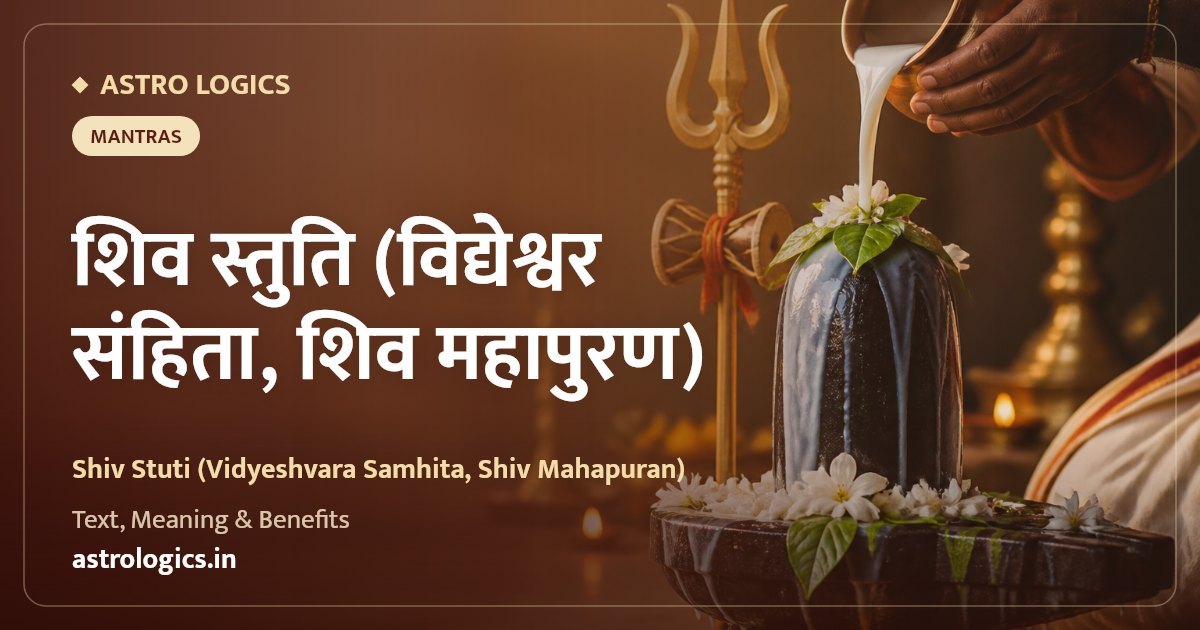
108 Names of Shiva: A Sacred Litany for Every Occasion
The Shiva Ashtottara Shatanamavali -- the hundred-and-eight names of Lord Shiva, each framed between Om and namaha -- is one of the most widely recited of all Shaiva texts, beloved precisely because of its accessibility and its completeness. Where more elaborate stotras require Sanskrit scholarship to appreciate fully, this namavali works through sheer depth of repetition: one hundred and eight invocations, each a slightly different angle of approach to the same inexhaustible presence. The names move through the full spectrum of Shiva's nature -- from the fearsome to the benevolent, from the ascetic wanderer of the cremation ground to the tender lord of Parvati's heart. Devotees recite it on Mondays, during Shravan, on Maha Shivaratri, and as part of Rudrabhishekam, the sacred bathing ceremony of the Shiva linga.
In the Jyotish tradition, Shiva is associated with Saturn (Shani), both sharing qualities of depth, renunciation, and the power to dissolve what no longer serves, and also with the Moon (Chandra), who adorns the Lord's matted hair. Recitation of the Ashtottara Shatanamavali during Saturn or Moon-related periods is regarded within tradition as a means of invoking Shiva's grace for steadiness and inner clarity. The practice carries a universal invitation: no elaborate preparation is required, only the willing repetition of each sacred name as an offering -- and in that simplicity, tradition holds, the Lord who is both the destroyer and the great auspicious one draws close.