Aarti Shri Ramayan Ji Ki – Lyrics, Meaning & Spiritual Significance
Aarti Shri Ramayan Ji Ki Lyrics (हिंदी में)
आरती श्री रामायण जी की, कीरत कलित ललित सिय पिय की।
आरती श्री रामायण जी की, कीरत कलित ललित सिय पिय की॥
गावत ब्रह्मादिक मुनि नारद, बाल्मीक विज्ञानी विशारद।
शुक सनकादि शेष अरु सारद, बरनी पवन सुत कीरति निकी॥
आरती श्री रामायण जी की, कीरत कलित ललित सिय पिय की॥
गावत संतन शम्भु भवानी, अरु घट सम्भव मुनि विज्ञानी।
व्यास आदि कवि बर्ज बखानी, काग भूसुंडि गरुड़ के हि की॥
आरती श्री रामायण जी की, कीरत कलित ललित सिय पिय की॥
चारों वेद पुराण अष्टदस, छओ शास्त्र सब ग्रंथन को रस।
तन मन धन संतन को सर्बस, सार अंश सम्मत सब ही की॥
आरती श्री रामायण जी की, कीरत कलित ललित सिय पिय की॥
कलिमल हरनि विषय रस फीकी, सुभग सिंगार मुक्ती जुबती की।
हरनि रोग भव भूरी अमी की, तात मात सब विधि तुलसी की॥
आरती श्री रामायण जी की, कीरत कलित ललित सिय पिय की॥
Aarti Shri Ramayan Ji Ki – Transliteration (English)
Aarti Shri Ramayan Ji Ki, kirat kalit lalit Siya Pi Ki
Aarti Shri Ramayan Ji Ki, kirat kalit lalit Siya Pi Ki
Gavat Brahmadik Muni Narad, Valmiki vignyani vishaarad
Shuk Sanakaadi Shesh aru Sarad, barani pavan sut kirati niki
Aarti Shri Ramayan Ji Ki, kirat kalit lalit Siya Pi Ki
Gavat santan Shambhu Bhavani, aru ghat-sambhav muni vignyani
Vyas aadi kavi barzh bakhani, kaag Bhooshundi Garud ke hi ki
Aarti Shri Ramayan Ji Ki, kirat kalit lalit Siya Pi Ki
Chaaron Ved Puran Ashtadas, chho Shastra sab granthan ko ras
Tan man dhan santan ko sarbas, saar ansh sammat sab hi ki
Aarti Shri Ramayan Ji Ki, kirat kalit lalit Siya Pi Ki
Kalimal harani vishay ras phiki, subhag singaar mukti jubti ki
Harani rog bhav bhoori ami ki, taat maat sab vidhi Tulsi ki
Aarti Shri Ramayan Ji Ki, kirat kalit lalit Siya Pi Ki
Meaning & Significance
The Aarti Shri Ramayan Ji Ki is a devotional hymn offered not to a deity in the conventional sense, but to the sacred scripture of the Ramayana itself - a practice that reflects the deep Hindu conviction that the Word of God, perfectly preserved in a great text, carries the same divine presence as an image or a deity in a temple. The refrain praises the Ramayana as "kirat kalit lalit Siya Pi Ki" - the beautifully adorned, luminous glory of Sita and her beloved Lord Rama. The first verse assembles the entire lineage of those who have sung the Ramayana's praises: Brahma, the sage Narada, Valmiki (its original poet), Shuka, the Sanaka sages, Shesha the cosmic serpent, and Saraswati herself - along with Hanuman, the supreme devotee who carried Rama's name in his breath. The second verse adds Shiva, Parvati, the sage Agastya, Vyasa, and even Kaakabhushundi (the crow-sage of the Ramayana) and Garuda - the full pantheon united in this text's praise. The third verse makes the extraordinary declaration that the Ramayana contains the essence of all four Vedas, the eighteen Puranas, and the six Shastras - that it is the treasury of all sacred knowledge. The final verse, attributed to Tulsidas, the composer of the Ramcharitmanas, declares the Ramayana as the destroyer of the age of Kali's darkness, a medicine against all disease and suffering, and his own father and mother in every way.
About Shri Ramayan Ji
The Ramayana is the first of the two great Sanskrit epics of ancient India, originally composed by the sage Valmiki in some twenty-four thousand verses. It narrates the life, exile, and victories of Lord Rama - the seventh avatar of Vishnu - alongside Sita, Lakshmana, and the great devotee Hanuman. In the medieval period, the Awadhi retelling by Goswami Tulsidas - the Ramcharitmanas - became the version most beloved in northern India, and it is from this tradition that the practice of performing aarti to the scripture itself arose. When the Ramayana is placed on a throne and worshipped as a divine presence - as is done in Ram Katha events across India; it is treated with the same reverence as an idol in a temple. The text is considered a living being, a form of Rama himself, and the recitation of this aarti is the most direct way to honour that presence.
Benefits of Reciting the Aarti Shri Ramayan Ji Ki
- Singing or listening to this aarti at the conclusion of Ramayan path or Ram Katha brings the blessings of Rama, Sita, and Hanuman upon all who are present.
- The aarti is said to dissolve the spiritual pollution of the Kali Yuga - the age of confusion and darkness - restoring clarity and dharmic direction.
- Devotees believe that regular worship of the Ramayana as a sacred text brings the same merit as performing the text's prescribed yagnas and rituals.
- Reciting this aarti cultivates deep respect for India's sacred literary tradition, deepening one's connection to the living culture of devotion.
- The aarti is a powerful means of invoking Hanuman's special grace, as he is inseparable from any worship of the Ramayana.
- Performing this aarti over the Ramcharitmanas kept in a home shrine is said to transform the house into a sacred space, radiating peace and protection.
How to Perform the Aarti (Pooja Vidhi)
- Place the Ramayan (Ramcharitmanas or Valmiki Ramayana) on a clean, elevated platform covered with red or yellow cloth - treating it as the living form of Rama.
- Decorate the book with garlands of flowers, especially marigold or lotus; offer tulsi leaves, kumkum, and sandal paste.
- Light a ghee lamp and incense, and ring a bell to announce the beginning of worship.
- Wave the lamp clockwise before the scripture in the same manner as before a deity's image - five, seven, or eleven rotations.
- Sing the aarti aloud, preferably with the full assembly of family or fellow devotees, maintaining a spirit of reverence and joy.
- Conclude by bowing before the scripture, touching it to the forehead, and distributing prasad - sweets or fruit previously offered at the puja.
Best Day & Time to Recite
The Aarti Shri Ramayan Ji Ki is traditionally sung at the conclusion of any public or private recitation of the Ramayana - Ram Katha events, Akhand Path, or even a single chapter reading at home. Ram Navami (Lord Rama's birthday, Chaitra Shukla Navami) is the most auspicious day for this aarti. Tuesdays are especially favoured, as Hanuman - the Ramayana's greatest hero and protector - is worshipped on this day. The aarti may be performed at any time during the day, though morning (after the path recitation) and evening (as a closing worship) are most common. During the month of Shravan and on Vivah Panchami (the anniversary of Rama and Sita's wedding), this aarti holds particular significance.
Frequently Asked Questions
Is this aarti the same as the Ramayan recitation?
No. The Aarti Shri Ramayan Ji Ki is a short devotional hymn of four verses sung in praise of the Ramayana as a text. It is performed at the conclusion of a reading session, not in place of it. The scripture itself is recited separately - the aarti is the act of honouring and closing that sacred session with a lamp offering, exactly as one would offer aarti to a deity at the end of puja.
Who composed the Aarti Shri Ramayan Ji Ki?
The aarti is traditionally attributed to Goswami Tulsidas, the 16th-century Vaishnava poet-saint who composed the Ramcharitmanas. The final verse, which includes the line "Tulsi ki" (Tulsi's own mother and father), is understood as Tulsidas identifying himself as the composer. The aarti is inseparable from the Ramcharitmanas tradition and is sung wherever the Manas is recited and reverenced in India.
Can this aarti be performed at home without a formal Ram Katha?
Yes. Any devotee who keeps the Ramcharitmanas or Valmiki Ramayana in their home shrine may perform this aarti daily. Placing the book on a small wooden seat, offering a lamp, and singing the four verses is a complete and meritorious act of worship in its own right. Many households perform this brief aarti every morning and evening as a way of maintaining the Ramayana's living presence in the home.
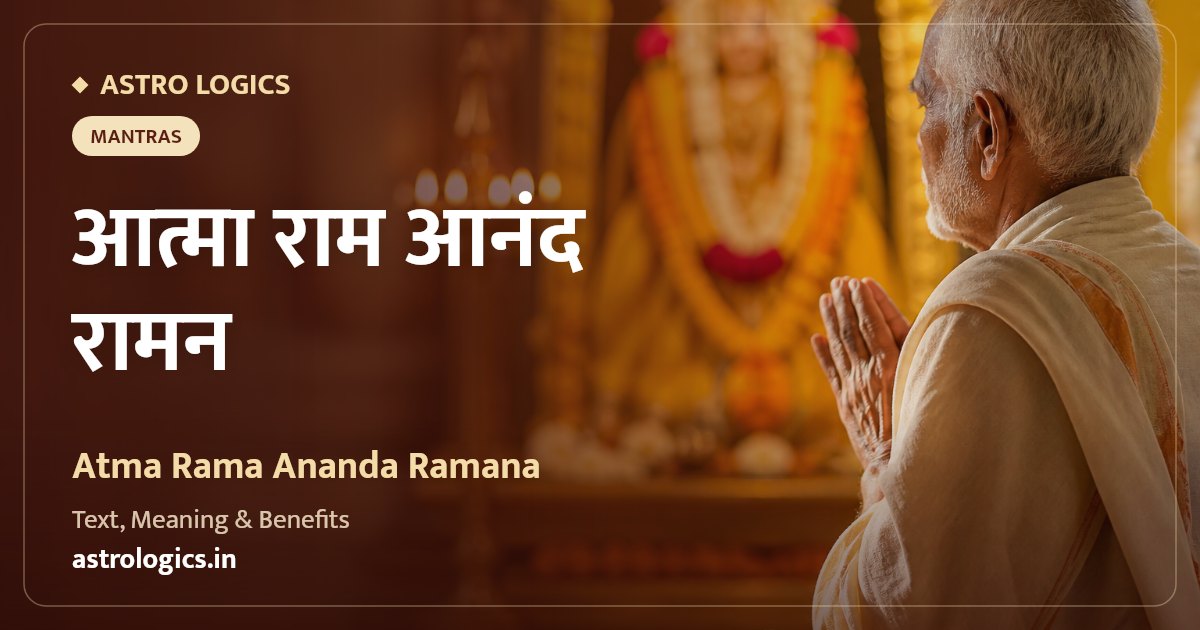
Worshipping the scripture itself: the living presence of the Ramayana
The Aarti Shri Ramayan Ji Ki occupies a singular place in the devotional life of Vaishnava households because it treats the Ramayana not merely as a text but as a living divine presence worthy of ritual veneration in its own right. Devotees offer lamp and flower to the sacred book just as they would to a murti, expressing the conviction that wherever Shri Ram's story resides, the Lord himself dwells. This aarti is especially sung at the close of Ramayan path - a communal reading or recitation - and on auspicious occasions such as Ram Navami and Vivah Panchami, sanctifying the entire gathering at the moment of completion.
What makes this composition particularly moving is its focus on the transformative power of listening. The devotee's heart turns toward Shri Ram not only through darshan of an image but through reverent attention to the sacred narrative. Traditionally, completing a Ramayana recitation and then offering this aarti is believed to multiply the spiritual merit of the entire paath. The warm collective singing that accompanies it - often accompanied by the ringing of bells and the fragrance of incense - creates an atmosphere of joyful gratitude, reminding the assembly that the gift of Ram Katha is itself a form of divine grace.