Ganesh Chalisa Lyrics (हिंदी में)
॥ दोहा ॥
जय गणपति सदगुणसदन, कविवर बदन कृपाल।
विघ्न हरण मंगल करण, जय जय गिरिजालाल॥
॥ चौपाई ॥
जय जय जय गणपति गणराजू। मंगल भरण करण शुभ काजू॥
जै गजबदन सदन सुखदाता। विश्व विनायक बुद्घि विधाता॥
वक्र तुण्ड शुचि शुण्ड सुहावन। तिलक त्रिपुण्ड भाल मन भावन।
राजत मणि मुक्तन उर माला। स्वर्ण मुकुट शिर नयन विशाला॥
पुस्तक पाणि कुठार त्रिशूलं। मोदक भोग सुगन्धित फूलं।
सुन्दर पीताम्बर तन साजित। चरण पादुका मुनि मन राजित॥
धनि शिवसुवन षडानन भ्राता। गौरी ललन विश्वविख्याता।
ऋद्घिसिद्घि तव चंवर सुधारे। मूषक वाहन सोहत द्घारे॥
कहौ जन्म शुभकथा तुम्हारी। अति शुचि पावन मंगलकारी।
एक समय गिरिराज कुमारी। पुत्र हेतु तप कीन्हो भारी॥
भयो यज्ञ जब पूर्ण अनूपा। तब पहुंच्यो तुम धरि द्घिज रुपा।
अतिथि जानि कै गौरि सुखारी। बहुविधि सेवा करी तुम्हारी॥
अति प्रसन्न है तुम वर दीन्हा। मातु पुत्र हित जो तप कीन्हा।
मिलहि पुत्र तुहि, बुद्घि विशाला। बिना गर्भ धारण, यहि काला॥
गणनायक, गुण ज्ञान निधाना। पूजित प्रथम, रुप भगवाना।
अस कहि अन्तर्धान रुप है। पलना पर बालक स्वरुप है॥
बनि शिशु, रुदन जबहिं तुम ठाना। लखि मुख सुख नहिं गौरि समाना।
सकल मगन, सुखमंगल गावहिं। नभ ते सुरन, सुमन वर्षावहिं॥
शम्भु, उमा, बहु दान लुटावहिं। सुर मुनिजन, सुत देखन आवहिं।
लखि अति आनन्द मंगल साजा। देखन भी आये शनि राजा॥
निज अवगुण गुनि शनि मन माहीं। बालक, देखन चाहत नाहीं।
गिरिजा कछु मन भेद बढ़ायो। उत्सव मोर, न शनि तुहि भायो॥
कहन लगे शनि, मन सकुचाई। का करिहौ, शिशु मोहि दिखाई।
नहिं विश्वास, उमा उर भयऊ। शनि सों बालक देखन कहाऊ॥
पडतहिं, शनि दृग कोण प्रकाशा। बोलक सिर उड़ि गयो अकाशा।
गिरिजा गिरीं विकल है धरणी। सो दुख दशा गयो नहीं वरणी॥
हाहाकार मच्यो कैलाशा। शनि कीन्हो लखि सुत को नाशा।
तुरत गरुड़ चढ़ि विष्णु सिधायो। काटि चक्र सो गज शिर लाये॥
बालक के धड़ ऊपर धारयो। प्राण, मन्त्र पढ़ि शंकर डारयो।
नाम गणेश शम्भु तब कीन्हे। प्रथम पूज्य बुद्घि निधि, वन दीन्हे॥
बुद्घ परीक्षा जब शिव कीन्हा। पृथ्वी कर प्रदक्षिणा लीन्हा।
चले षडानन, भरमि भुलाई। रचे बैठ तुम बुद्घि उपाई॥
चरण मातुपितु के धर लीन्हें। तिनके सात प्रदक्षिण कीन्हें।
तुम्हरी महिमा बुद्घि बड़ाई। शेष सहसमुख सके न गाई॥
मैं मतिहीन मलीन दुखारी। करहुं कौन विधि विनय तुम्हारी।
भजत रामसुन्दर प्रभुदासा। जग प्रयाग, ककरा, दर्वासा॥
अब प्रभु दया दीन पर कीजै। अपनी भक्ति शक्ति कछु दीजै॥
॥ दोहा ॥
श्री गणेश यह चालीसा, पाठ करै कर ध्यान।
नित नव मंगल गृह बसै, लहे जगत सन्मान।
सम्बन्ध अपने सहस्त्र दश, ऋषि पंचमी दिनेश।
पूरण चालीसा भयो, मंगल मूर्ति गणेश॥
Ganesh Chalisa – Transliteration (English)
Doha:
Jay Ganapati Sadguna Sadan, Kavivara Badana Kripala.
Vighna Harana Mangala Karana, Jay Jay Girijala.
Chaupai:
Jay Jay Jay Ganapati Ganarajoo. Mangala Bharana Karana Shubha Kajoo.
Jai Gajabadana Sadana Sukhadaata. Vishva Vinayaka Buddhi Vidhaata.
Vakra Tunda Shuchi Shunda Suhaavana. Tilaka Tripunda Bhaala Mana Bhaavana.
Raajata Mani Muktan Ura Maala. Swarna Mukuta Shira Nayana Vishala.
Pustak Paani Kuthaara Trishoola. Modaka Bhoga Sugandita Phoola.
Sundar Pitaambara Tana Saajita. Charana Paaduka Muni Mana Raajita.
Shri Ganesh Yah Chaalisa, Paath Kare Kar Dhyaana.
Nita Nava Mangala Grih Base, Lahe Jagat Sanmaana.
Meaning & Significance
The Ganesh Chalisa, composed by the devotee-poet Ramsundar Prabhudas, is a forty-verse hymn in praise of Lord Ganesha, the remover of obstacles and bestower of wisdom. The text opens with the sacred doha invoking the elephant-headed deity as a treasure-house of virtues and the beloved son of Goddess Girija (Parvati). The forty chaupais narrate Ganesha's birth from Parvati's devotion, the incident involving Saturn's gaze and the replacement of the original head with that of an elephant, and the divine act through which Shiva granted Ganesha the foremost position in all worship. The chalisa affirms that no auspicious undertaking-ritual, journey, examination, or enterprise-should begin without first invoking Ganesha's grace. The closing doha, attributed to Ramsundar Prabhudas, describes this hymn as a living bond between the devotee and the deity, promising domestic harmony, social honour, and liberation from obstacles to whoever recites it with sincerity.
About Ganesha
Lord Ganesha, known by names such as Ganapati, Vighnaharta, Vinayaka, and Lambodara, occupies a singular position in Hinduism as the first deity to be worshipped at the beginning of any auspicious act. He is the son of Lord Shiva and Goddess Parvati and the elder brother of Kartikeya. His elephant head, broad forehead, and large ears symbolise cosmic wisdom, the ability to listen to sincere prayers, and the discernment to distinguish what is essential from what is transient. The mouse that serves as his vehicle represents the mind-small yet restless-which, when mastered, becomes a vehicle of intelligence. Ganesha holds a broken tusk to write the Mahabharata, demonstrating that knowledge is worth any sacrifice. He is worshipped in all Hindu traditions and has been venerated in India, Southeast Asia, and beyond for well over two millennia.
Benefits of Reciting the Ganesh Chalisa
- Clears obstacles from important undertakings, including new ventures, examinations, and travels.
- Sharpens intellect and memory, making it particularly valued by students and scholars.
- Brings auspiciousness and harmony into the household when recited consistently.
- Reduces anxiety and instils confidence by cultivating trust in divine guidance.
- Earns social respect and recognition as described in the chalisa's closing verse.
- Deepens devotional focus and spiritual discipline through regular, mindful practice.
How to Recite (Vidhi)
- Take a bath or perform ritual hand-washing before sitting for the recitation.
- Light a lamp and offer modak, durva grass, and red flowers at a Ganesha image or idol.
- Begin with "Om Gan Ganapataye Namah" three times to invoke the deity's presence.
- Recite the doha and all forty chaupais clearly and at a steady pace.
- Conclude with the closing doha, then offer a sincere prayer expressing your intention or request.
- Perform an aarti and distribute prasad to complete the puja.
Best Day & Time to Recite
Wednesday is considered the most auspicious day for Ganesha worship, as this day of the week is presided over by Mercury, the planet associated with intellect-one of Ganesha's most celebrated gifts. The chalisa is also especially potent on Ganesh Chaturthi and throughout the ten days of the Ganesh Utsav festival. Sunrise (Brahma Muhurta) and evening dusk are the recommended times within a day. Regular recitation every morning before beginning one's work is a widely observed practice among devotees seeking clarity of purpose and freedom from obstacles.
Frequently Asked Questions
Who composed the Ganesh Chalisa?
The Ganesh Chalisa was composed by Ramsundar Prabhudas, a traditional devotee-poet. The closing verses of the chalisa itself mention the author's name and the occasion of composition, which is linked to Rishi Panchami, affirming the hymn's place within the classical Braj Bhasha devotional tradition.
Can the Ganesh Chalisa be recited on any day?
Yes, the Ganesh Chalisa can be recited on any day of the year. However, Wednesdays, the fourth day of the lunar fortnight (Chaturthi), and major festivals such as Ganesh Chaturthi and Vinayaka Chaturthi are considered especially potent for Ganesha devotion and are preferred for intensive recitation.
What is the significance of invoking Ganesha before other deities?
Hindu tradition holds that Ganesha received a boon from his father Shiva granting him the right to be worshipped first in any ritual or auspicious occasion. The Ganesh Chalisa narrates this story: Shiva conducted a cosmic test asking all deities to circumambulate the earth, but young Ganesha instead circumambulated his parents, declaring them to be his entire world. Shiva was deeply pleased by this wisdom and granted Ganesha primacy in all worship.
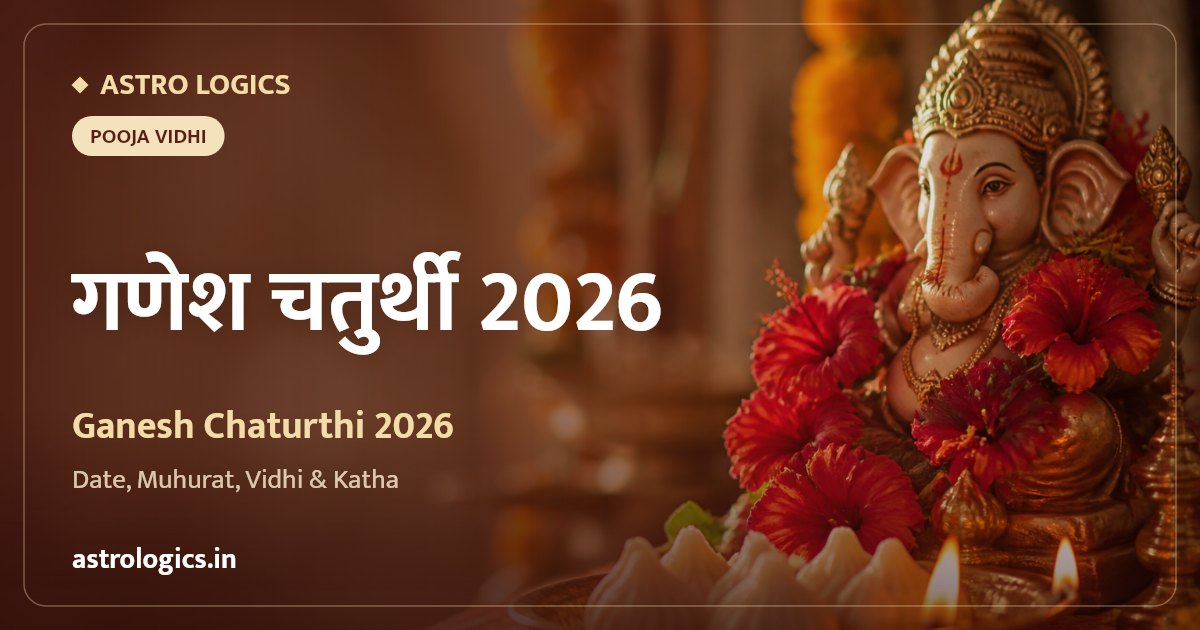 Pooja VidhiGanesh Chaturthi 2026: Date, Madhyahna Muhurat, Sthapana Vidhi & Visarjan
 MantrasGanesha Sahasranamavali: 1000 Names of Bhagwan Ganesh
 MantrasGanapati Atharvashirsha: The Ganesha Upanishad - Full Text & Meaning
 MantrasGanapati Stotram (Jetum Yastripuram): Ekadanta Stotra Text & Meaning
 MantrasGanesha Anga Puja Mantra: Worshipping Each Limb of Lord Ganesha
 MantrasGauri Nandana Gajanana: Ganesha Bhajan Lyrics, Meaning & Benefits
 MantrasShri Ganesha Pancharatnam Stotram: Five Jewels of Ganesha by Adi Shankara
 MantrasGajananam Bhoota Ganadhi Sevitam: Ganesha Dhyana Mantra, Meaning & Benefits
Ganapati's forty-verse invitation to remove every obstacle
The Ganesh Chalisa holds a foundational place in the daily devotional life of countless Indian households, for Ganesha is the deity honoured first - at the beginning of any puja, any journey, any new undertaking. The Chalisa begins precisely in this spirit of auspicious invocation and sustains it across forty verses that praise the elephant-headed son of Shiva and Parvati through a succession of his celebrated forms and deeds: the slaying of Gajamukhasura, the writing of the Mahabharata at Vyasa's dictation, his mastery over wisdom and strategy. The dominant rasas are one of joy and confidence - the reassurance that the remover of obstacles is present, attentive, and pleased by sincere devotion. This quality makes the Chalisa not only a prayer for help but a celebration of Ganesha's inherent playfulness and accessibility.
Ganesh Chaturthi, the beloved ten-day festival celebrated with great fervour across Maharashtra, Karnataka, and increasingly across India and the world, is the most luminous context for reciting the Ganesh Chalisa; but it is equally a daily practice for many devotees who begin their mornings with these verses before any other activity. Wednesdays are especially associated with Ganesha worship, and many devotees observe a Wednesday fast accompanied by Chalisa recitation. The Chalisa is also recommended at the start of any significant undertaking - examinations, travel, business beginnings, weddings - as a way of consciously placing the endeavour under Ganesha's watchful, benevolent attention and acknowledging that success flows through his grace.