Gopal Chalisa – Lyrics, Meaning & Benefits of Reciting Gopal Chalisa
Gopal Chalisa Lyrics (हिंदी में)
॥ दोहा ॥
श्री राधापद कमल रज, सिर धरि यमुना कूल ।
वर्णो चालीसा सरस, सकल सुमंगल मूल ॥
॥ चौपाई ॥
जय जय पूरण ब्रह्म बिहारी । दुष्ट दलन लीला अवतारी ॥१॥
जो कोई तुम्हरी लीला गावै । बिन श्रम सकल पदारथ पावै ॥२॥
श्री वसुदेव देवकी माता । प्रकट भये संग हलधर भ्राता ॥३॥
मथुरा सों प्रभु गोकुल आये । नन्द भवन में बजत बधाये ॥४॥
जो विष देन पूतना आई । सो मुक्ति दै धाम पठाई ॥५॥
तृणावर्त राक्षस संहार्यौ । पग बढ़ाय सकटासुर मार्यौ ॥६॥
खेल खेल में माटी खाई । मुख में सब जग दियो दिखाई ॥७॥
गोपिन घर घर माखन खायो । जसुमति बाल केलि सुख पायो ॥८॥
ऊखल सों निज अंग बँधाई । यमलार्जुन जड़ योनि छुड़ाई ॥९॥
बका असुर की चोंच विदारी । विकट अघासुर दियो सँहारी ॥१०॥
ब्रह्मा बालक वत्स चुराये । मोहन को मोहन हित आये ॥११॥
बाल वत्स सब बने मुरारी । ब्रह्मा विनय करी तब भारी ॥१२॥
काली नाग नाथि भगवाना । दावानल को कीन्हों पाना ॥१३॥
सखन संग खेलत सुख पायो । श्रीदामा निज कन्ध चढ़ायो ॥१४॥
चीर हरन करि सीख सिखाई । नख पर गिरवर लियो उठाई ॥१५॥
दरश यज्ञ पत्निन को दीन्हों । राधा प्रेम सुधा सुख लीन्हों ॥१६॥
नन्दहिं वरुण लोक सों लाये । ग्वालन को निज लोक दिखाये ॥१७॥
शरद चन्द्र लखि वेणु बजाई । अति सुख दीन्हों रास रचाई ॥१८॥
अजगर सों पितु चरण छुड़ायो । शंखचूड़ को मूड़ गिरायो ॥१९॥
हने अरिष्टा सुर अरु केशी । व्योमासुर मार्यो छल वेषी ॥२०॥
व्याकुल ब्रज तजि मथुरा आये । मारि कंस यदुवंश बसाये ॥२१॥
मात पिता की बन्दि छुड़ाई । सान्दीपनि गृह विद्या पाई ॥२२॥
पुनि पठयौ ब्रज ऊधौ ज्ञानी । प्रेम देखि सुधि सकल भुलानी ॥२३॥
कीन्हीं कुबरी सुन्दर नारी । हरि लाये रुक्मिणि सुकुमारी ॥२४॥
भौमासुर हनि भक्त छुड़ाये । सुरन जीति सुरतरु महि लाये ॥२५॥
दन्तवक्र शिशुपाल संहारे । खग मृग नृग अरु बधिक उधारे ॥२६॥
दीन सुदामा धनपति कीन्हों । पारथ रथ सारथि यश लीन्हों ॥२७॥
गीता ज्ञान सिखावन हारे । अर्जुन मोह मिटावन हारे ॥२८॥
केला भक्त बिदुर घर पायो । युद्ध महाभारत रचवायो ॥२९॥
द्रुपद सुता को चीर बढ़ायो । गर्भ परीक्षित जरत बचायो ॥३०॥
कच्छ मच्छ वाराह अहीशा । बावन कल्की बुद्धि मुनीशा ॥३१॥
ह्वै नृसिंह प्रह्लाद उबार्यो । राम रुप धरि रावण मार्यो ॥३२॥
जय मधु कैटभ दैत्य हनैया । अम्बरीय प्रिय चक्र धरैया ॥३३॥
ब्याध अजामिल दीन्हें तारी । शबरी अरु गणिका सी नारी ॥३४॥
गरुड़ासन गज फन्द निकन्दन । देहु दरश ध्रुव नयनानन्दन ॥३५॥
देहु शुद्ध सन्तन कर सङ्गा । बाढ़ै प्रेम भक्ति रस रङ्गा ॥३६॥
देहु दिव्य वृन्दावन बासा । छूटै मृग तृष्णा जग आशा ॥३७॥
तुम्हरो ध्यान धरत शिव नारद । शुक सनकादिक ब्रह्म विशारद ॥३८॥
जय जय राधारमण कृपाला । हरण सकल संकट भ्रम जाला ॥३९॥
बिनसैं बिघन रोग दुःख भारी । जो सुमरैं जगपति गिरधारी ॥४०॥
जो सत बार पढ़ै चालीसा । देहि सकल बाँछित फल शीशा ॥
॥ दोहा ॥
गोपाल चालीसा पढ़ै नित, नेम सों चित्त लावई ।
सो दिव्य तन धरि अन्त महँ, गोलोक धाम सिधावई ॥
प्रणत पाल अशरण शरण, करुणा-सिन्धु ब्रजेश ।
चालीसा के संग मोहि, अपनावहु प्राणेश ॥
Gopal Chalisa – Transliteration (English)
|| Doha ||
Shri Radhapada kamal raj, sir dhari Yamuna kool,
Varnau chalisa saras, sakal sumangal mool.
|| Chaupai ||
Jay jay pooran Brahma bihari, dusht dalan leela avatari. (1)
Jo koi tumhari leela gavai, bin shram sakal padaarath pavai. (2)
Shri Vasudev Devaki mata, prakat bhaye sang Haldhar bhrata. (3)
Mathura son prabhu Gokul aaye, Nanda bhavan mein bajat badhaaye. (4)
Jo vish den Putana aayi, so mukti dai dham pathaai. (5)
Trinavarta raakshas sanhaaryo, pag badhaay Sakataasur maaryo. (6)
Khel khel mein maati khai, mukh mein sab jag diyo dikhai. (7)
Gopin ghar ghar makan khaayo, Jasumati baal keli sukh paayo. (8)
Ukhal son nij ang bandhaai, Yamalarjun jad yoni chudaai. (9)
Baka asur ki chonch vidaari, vikat Aghaasur diyo sanhaari. (10)
Brahma baalak vats churaaye, Mohan ko mohan hit aaye. (11)
Baal vats sab bane Muraari, Brahma vinay kari tab bhaari. (12)
Kaali naag naathi bhagavaana, daavanal ko kinhon paana. (13)
Sakhan sang khelat sukh paayo, Shridama nij kandh chadhayo. (14)
Cheer haran kari seekh sikhaai, nakh par giravar liyo uthaai. (15)
Darash yagya patniyan ko dinho, Radha prem sudha sukh linho. (16)
Nandahin Varun lok son laaye, Gwaalan ko nij lok dikhaaye. (17)
Sharad chandra lakhi venu bajaai, ati sukh dinho ras rachaai. (18)
Ajar son pitu charan chudaayo, Shankhachud ko mood giraayo. (19)
Hane Aristha sur aru Keshi, Vyomasur maaryo chhal veshi. (20)
Vyakul Braj taji Mathura aaye, maari Kans Yaduvansh basaaye. (21)
Mat pita ki bandi chudaai, Sandipani grih vidya paai. (22)
Puni pathyau Braj Uddhau gyani, prem dekhi sudhi sakal bhulaani. (23)
Kinhi kubari sundar naari, Hari laaye Rukmini sukumaari. (24)
Bhaumasur hani bhakt chudaaye, suran jeeti surataru mahi laaye. (25)
Dantavakra Shishupaal sanhare, khag mrig nrig aru badhik udhaare. (26)
Deen Sudama dhanapati kinhan, Partha rath saarthi yash linho. (27)
Gita gyaan sikaavan haare, Arjun moh mitaavan haare. (28)
Kela bhakt Bidur ghar paayo, yuddh Mahabharat rachvaayo. (29)
Drupada suta ko cheer badhaayo, garbh Parikshit jarat bachaayo. (30)
Kachh Machh Varaah Ahisha, Bavan Kalki buddhi Munisha. (31)
Hvai Nrisimh Prahlad ubaary, Ram roop dhari Ravan maaryo. (32)
Jay Madhu Kaitabh daitya hanaiya, Ambariy priya chakra dharaiya. (33)
Byaadh Ajaamil dinhen taari, Shabari aru Ganika si naari. (34)
Garudaasan gaj phand nikundan, dehu darash Dhruva nayanaanandan. (35)
Dehu shuddh santan kar sanga, baadhai prem bhakti ras ranga. (36)
Dehu divya Vrindavan baasa, chhootai mrig trishna jag asha. (37)
Tumharo dhyaan dharat Shiv Narad, Shuk Sankadik Brahm visharad. (38)
Jay jay Radharaman Kripala, haran sakal sankat bhram jaala. (39)
Binsain bighan rog dukh bhari, jo sumarain jagapati Girdhari. (40)
Jo sat baar padhai chalisa, dehi sakal baanchhit phal shisha.
|| Doha ||
Gopal Chalisa padhai nit, nem son chitt lavai,
So divya tan dhari ant mahan, Golok dham sidhaavai.
Pranat pal asharan sharan, karuna sindhu Brajesh,
Chalisa ke sang mohi, apnaavahu pranesh.
Meaning & Significance
The Gopal Chalisa is a forty-verse devotional hymn dedicated to Lord Gopal, the childhood form of Lord Krishna who roamed the forests of Vrindavan as a cowherd. The opening doha invokes the dust of Radha's lotus feet and declares the intention to compose a wholesome, auspicious chalisa on the banks of the Yamuna. The forty chaupais trace the entire arc of Krishna's divine career - beginning with his birth in the prison of Mathura to Devaki and Vasudeva and continuing through his cowherd years in Gokul: the slaying of the demoness Putana, the subduing of the Kaliya serpent, the lifting of Mount Govardhan, the joyous rasa dance under the autumn moon, and the beloved episodes of stealing butter and playing with the gopis. The chalisa moves on to Krishna's adult life: the killing of Kansa, his education at the hermitage of Sandipani, the rescue of Draupadi during the disrobing, the guidance of Arjuna through the Bhagavad Gita on the battlefield of Kurukshetra, and his role as the cosmic sustainer linking all avatars from Matsya to Kalki. This comprehensive sweep makes the Gopal Chalisa not merely a devotional poem but a compact summary of Krishna's cosmological significance.
About Lord Gopal
Gopal is one of the most intimate and beloved names of Lord Krishna, meaning "protector of cows" or "one who tends the earth" (go = cow/earth, paal = protector). As a child in Gokul and Vrindavan, Krishna lived the simple life of a cowherd, playing his flute on the banks of the Yamuna, befriending the gopis and gopas, and performing miracles with such effortless grace that his companions rarely suspected they were in the company of the Supreme Being. This aspect of Krishna - playful, accessible, radically present in the ordinary world - holds a unique place in Vaishnava devotion. The Laddu Gopal or Bal Gopal form, depicting the infant Krishna with a ball of sweets, is worshipped in countless homes across India as a living member of the family. Gopal as a cosmic principle represents the divine love that sustains creation, the same reality that Arjuna encountered on the battlefield as the infinite Vishvarupa. Temples dedicated to Gopal Krishna proliferate across Vrindavan, Mathura, Nathdwara, and throughout Gujarat, Maharashtra, and Rajasthan, serving as centres of Bhakti tradition that traces directly to the Bhagavata Purana.
Benefits of Reciting the Gopal Chalisa
- Regular recitation is said to invite Krishna's protection and remove fear, anxiety, and inner confusion from the devotee's life.
- Devotees recite the Gopal Chalisa to seek divine grace for children's welfare, as Krishna himself was the ideal divine child.
- The chalisa is held to remove obstacles and difficulties in one's path, echoing Krishna's role as the remover of Arjuna's spiritual confusion.
- Chanting cultivates qualities of joy, surrender, and loving devotion (bhakti) that define the Vrindavan tradition.
- Reciting the chalisa one hundred times is said by traditional sources to fulfil deeply held desires.
- Regular practice deepens awareness of the Bhagavad Gita's teachings and fosters clarity in ethical decision-making.
How to Recite (Vidhi)
- Bathe or cleanse oneself before sitting for recitation; wear clean clothes and choose a quiet, dedicated space.
- Seat a small Bal Gopal (Laddu Gopal) idol or image on a clean altar, light a ghee lamp and offer flowers or tulsi leaves.
- Begin by chanting "Om Namo Bhagavate Vasudevaya" three times as an invocation before the opening doha.
- Recite each verse slowly and distinctly, pausing to absorb the meaning of the episodes being described.
- During Janmashtami or on Krishna's birth anniversary, recite the chalisa at midnight - the time of his birth - for heightened spiritual effect.
- Conclude by offering a short prayer and distributing any prasad (sweets or fruit) that was placed before the deity during recitation.
Best Day & Time to Recite
Wednesday and Thursday are considered auspicious for reciting the Gopal Chalisa, as these days are associated with Mercury and Jupiter respectively, both linked to wisdom and devotional learning. The most beneficial day is unquestionably Janmashtami, the birthday of Lord Krishna. Early morning hours - particularly the Brahma muhurta - are ideal for daily recitation, and the post-sunset period during festivals or on Ekadashi (the eleventh day of the lunar fortnight, sacred to Vishnu) is equally recommended. The months of Shravan (July–August) and Kartik (October–November) are particularly sacred to Krishna devotion in the Vaishnava calendar, making consistent daily recitation during these periods especially meritorious.
Frequently Asked Questions
Who is Gopal and how does this chalisa differ from the Krishna Chalisa?
Gopal refers specifically to the cowherd aspect of Lord Krishna - his playful, pastoral identity in Vrindavan. The Gopal Chalisa emphasises his lila (divine play) from infancy through the Vrindavan years, while also touching on his adult heroism. The Krishna Chalisa tends to focus more broadly on Krishna as the Supreme Being and teacher of the Gita. Both are valid and devotionally rich; the Gopal Chalisa has a warmer, more intimate register.
Can the Gopal Chalisa be recited without initiation or a guru?
The Gopal Chalisa is a publicly accessible devotional text requiring no formal initiation. Any devotee with a sincere and reverent heart may recite it daily. Those who follow a specific Vaishnava tradition or have received initiation from a guru may incorporate it into their existing practice according to their guru's guidance, but it is not a restricted text.
Is the Gopal Chalisa the same as the Laddu Gopal Chalisa?
There is some overlap in the devotional literature. The Laddu Gopal Chalisa specifically addresses the infant form of Krishna worshipped as a baby deity in the home, while the Gopal Chalisa covers Krishna's fuller life story. Some households use both texts, while others use them interchangeably. The text reproduced here - beginning with the invocation of Radha's lotus-feet and the Yamuna - is the widely recited traditional Gopal Chalisa.

The tender joy of meeting Krishna as Gopal
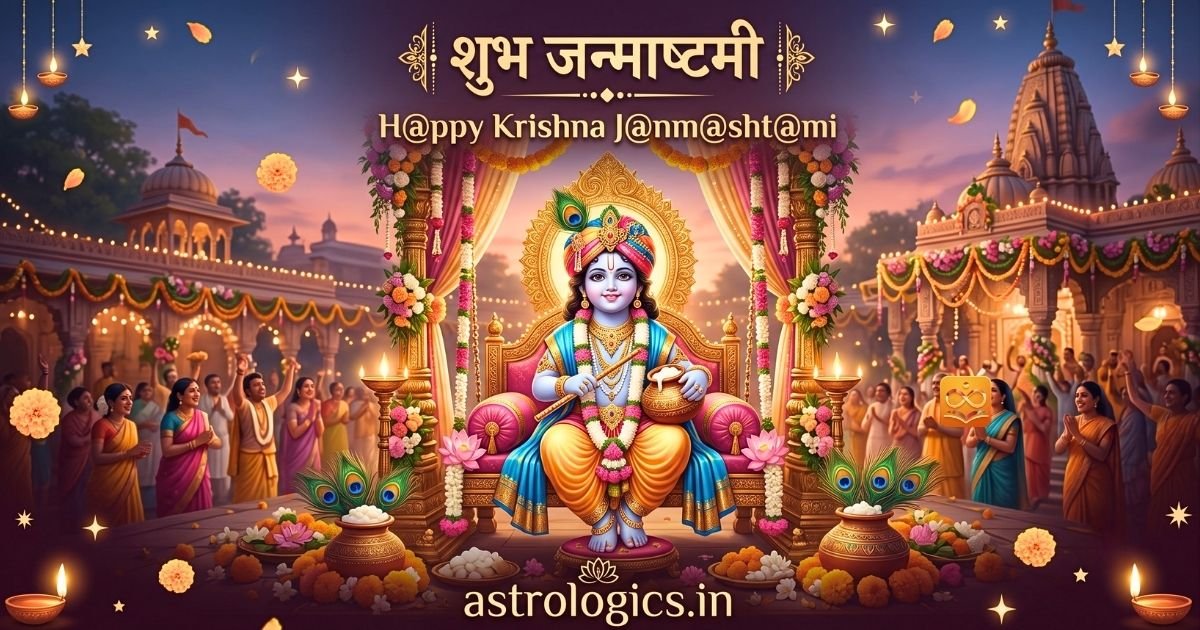
Of all Lord Krishna's divine forms, Gopal - the cowherd, the calf-tender, the one who wanders the banks of the Yamuna with a flute and a laugh - perhaps evokes the most intimate and unconditional love. The Gopal Chalisa addresses Krishna in this gentle pastoral aspect, and the emotional register it cultivates is vatsalya rasa and madhura rasa - the devotion of a parent for a beloved child and the longing of the soul for its divine beloved. Reciting this chalisa draws the mind away from the complexities of adult life and into the simplicity of a heart that delights purely in the presence of God.
The Gopal Chalisa is recited with special devotion on Janmashtami, on the Ekadashis of the lunar calendar, and throughout the month of Shravan (July–August) when Krishna's presence feels particularly near in the bhakti tradition. It is also a cherished practice for new mothers and families welcoming a child, invoking Gopal's blessing upon young lives just beginning their journey. Devotees believe that chanting the chalisa with genuine affection, particularly in the early morning hours, fills the heart with the quality of joyful surrender that Krishna's own life embodies - a reminder that true spirituality is never heavy, but always, at its deepest, a form of love.