Shri Durga Manasa Puja: Sanskrit Text, Meaning & Benefits
Shri Durga Manasa Puja - Sanskrit Text
श्री गणेशाय नमः ।
उद्यच्चन्दनकुङ्कुमारुणपयोधाराभिराप्लावितां
नानानर्घ्यमणिप्रवालघटितां दत्तां गृहाणाम्बिके ।
आमृष्टां सुरसुन्दरीभिरभितो हस्ताम्बुजैर्भक्तितो
मातः सुन्दरि भक्तकल्पलतिके श्रीपादुकामादरात् ।। १।।
देवेन्द्रादिभिरर्चितं सुरगणैरादाय सिंहासनं
चञ्चत्काञ्चनसञ्चयाभिरचितं चारुप्रभाभास्वरम् ।
एतच्चम्पककेतकीपरिमलं तैलं महानिर्मलं
गन्धोद्वर्तनमादरेण तरुणीदत्तं गृहाणाम्बिके ।। २।।
पश्चाद्देवि गृहाण शम्भुगृहिणि श्रीसुन्दरि प्रायशो
गन्धद्रव्यसमूहनिर्भरतरं धात्रीफलं निर्मलम् ।
तत्केशान् परिशोध्य कङ्कतिकया मन्दाकिनीस्रोतसि
स्नात्वा प्रोज्ज्वलगन्धकं भवतु हे श्रीसुन्दरि त्वन्मुदे ।। ३।।
सुराधिपतिकामिनीकरसरोजनालीधृतां
सचन्दनसकुङ्कुमागुरुभरेण विभ्राजिताम् ।
महापरिमलोज्ज्वलां सरसशुद्धकस्तूरिकां
गृहाण वरदायिनि त्रिपुरसुन्दरि श्रीप्रदे ।। ४।।
गन्धर्वामरकिन्नरप्रियतमासन्तानहस्ताम्बुज-
प्रस्तारैर्ध्रियमाणमुत्तमतरं काश्मीरजापिञ्जरम् ।
मातर्भास्वरभानुमण्डललसत्कान्तिप्रदानोज्ज्वलं
चैतन्निर्मलमातनोतु वसनं श्रीसुन्दरि त्वन्मुदम् ।। ५।।
स्वर्णाकल्पितकुण्डले श्रुतियुगे हस्ताम्बुजे मुद्रिका
मध्ये सारसना नितम्बफलके मञ्जीरमंघ्रिद्वये ।
हारो वक्षसि कङ्कणौ क्वणरणत्कारौ करद्वन्द्वके
विन्यस्तं मुकुटं शिरस्यनुदिनं दत्तोन्मदं स्तूयताम् ।। ६।।
ग्रीवायां धृतकान्तिकान्तपटलं ग्रैवेयकं सुन्दरं
सिन्दूरं विलसल्ललाटफलके सौन्दर्यमुद्राधरम् ।
राजत्कज्जलमुज्ज्वलोत्पलदलश्रीमोचने लोचने
तद्दिव्यौषधिनिर्मितं रचयतु श्रीशाम्भवि श्रीप्रदे ।। ७।।
अमन्दतरमन्दरोन्मथितदुग्धसिन्धूद्भवं
निशाकरकरोपमं त्रिपुरसुन्दरि श्रीप्रदे ।
गृहाण मुखमीक्षतुं मुकुरबिम्बमाविद्रुमै-
र्विनिर्मितमधच्छिदे रतिकराम्बुजस्थायिनम् ।। ८।।
कस्तूरीद्रवचन्दनागुरुसुधाधाराभिराप्लावितं
चञ्चच्चम्पकपाटलादिसुरभिर्द्रव्यैः सुगन्धीकृतम् ।
देवस्त्रीगणमस्तकस्थितमहारत्नादिकुम्भव्रजै-
रम्भःशाम्भवि सम्भ्रमेण विमलं दत्तं गृहाणाम्बिके ।। ९।।
कह्लारोत्पलनागकेसरसरोजाख्यावलीमालती-
मल्लीकैरवकेतकादिकुसुमै रक्ताश्वमारादिभिः ।
पुष्पैर्माल्यभरेण वै सुरभिणा नानारसस्रोतसा
ताम्राम्भोजनिवासिनीं भगवतीं श्रीचण्डिकां पूजये ।। १०।।
मांसीगुग्गुलचन्दनागुरुरजः कर्पूरशैलेयजै-
र्माध्वीकैः सहकुङ्कुमैः सुरचितैः सर्पिभिरामिश्रितैः ।
सौरभ्यस्थितिमन्दिरे मणिमये पात्रे भवेत् प्रीतये
धूपोऽयं सुरकामिनीविरचितः श्रीचण्डिके त्वन्मुदे ।। ११।।
घृतद्रवपरिस्फुरद्रुचिररत्नयष्ट्यान्वितो
महातिमिरनाशनः सुरनितम्बिनीनिर्मितः ।
सुवर्णचषकस्थितः सघनसारवर्त्यान्वित-
स्तव त्रिपुरसुन्दरि स्फुरति देवि दीपो मुदे ।। १२।।
जातीसौरभनिर्भरं रुचिकरं शाल्योदनं निर्मलं
युक्तं हिङ्गुमरीचजीरसुरभिर्द्रव्यान्वितैर्व्यञ्जनैः ।
पक्वान्नेन सपायसेन मधुना दध्याज्यसम्मिश्रितं
नैवेद्यं सुरकामिनीविरचितं श्रीचण्डिके त्वन्मुदे ।। १३।।
लवङ्गकलिकोज्ज्वलं बहुलनागवल्लीदलं
सजातिफलकोमलं सघनसारपूगीफलम् ।
सुधामधुरमाकुलं रुचिररत्नपात्रस्थितं
गृहाण मुखपङ्कजे स्फुरितमम्ब ताम्बूलकम् ।। १४।।
शरत्प्रभवचन्द्रमः स्फुरितचन्द्रिकासुन्दरं
गलत्सुरतरङ्गिणीललितमौक्तिकाडम्बरम् ।
गृहाण नवकाञ्चनप्रभवदण्डखण्डोज्ज्वलं
महात्रिपुरसुन्दरि प्रकटमातपत्रं महत् ।। १५।।
मातस्त्वन्मुदमातनोतु सुभगस्त्रीभिः सदाऽऽन्दोलितं
शुभ्रं चामरमिन्दुकुन्दसदृशं प्रस्वेददुःखापहम् ।
सद्योऽगस्त्यवसिष्ठनारदशुकव्यासादिवाल्मीकिभिः
स्वे चित्ते क्रियमाण एव कुरुतां शर्माणि वेदध्वनिः ।। १६।।
स्वर्गाङ्गणे वेणुमृदङ्गशङ्खभेरीनिनादैरूपगीयमाना ।
कोलाहलैराकलितातवास्तु विद्याधरीनृत्यकलासुखाय ।। १७।।
देवि भक्तिरसभावितवृत्ते प्रीयतां यदि कुतोऽपि लभ्यते ।
तत्र लौल्यमपि सत्फलमेकञ्जन्मकोटिभिरपीह न लभ्यम् ।। १८।।
एतैः षोडशभिः पद्यैरूपचारोपकल्पितैः ।
यः परां देवतां स्तौति स तेषां फलमाप्नुयात् ।। १९।।
।। इति दुर्गातन्त्रे दुर्गामानसपूजा समाप्ता ।।
Transliteration (Roman/IAST)
śrī gaṇeśāya namaḥ |
udyaccandanakuṅkumāruṇapayodhārābhirāplāvitāṃ
nānānarghyamaṇipravālaghaṭitāṃ dattāṃ gṛhāṇāmbike |
āmṛṣṭāṃ surasundarībhirabhito hastāmbujairbhaktito
mātaḥ sundari bhaktakalpalatike śrīpādukāmādarāt || 1||
devendrādibhirarcitaṃ suragaṇairādāya siṃhāsanaṃ
cañcatkāñcanasañcayābhiracitaṃ cāruprabhābhāsvaram |
etaccampakaketakīparimalaṃ tailaṃ mahānirmalaṃ
gandhodvartanamādareṇa taruṇīdattaṃ gṛhāṇāmbike || 2||
(Verses 3–19 follow the same metrical pattern, describing in turn the offering of perfumed bath substances, kasturi, fine garments, ornaments and crown, the mirror, sandal-paste, flowers, dhupa (incense), dipa (lamp), naivedya (food), tambula (betel), the royal parasol and chamara (fly-whisk), accompanied by Vedic chanting and celestial music, closing with the phala-shruti that one who praises the Supreme Goddess with these sixteen verses of upacharas attains their full fruit.)
Meaning
Durga Manasa Puja is a “mental worship” (manasa puja) in which the devotee, instead of using physical materials, offers the sixteen traditional upacharas (services of hospitality) to the Divine Mother purely in imagination. Verse by verse the worshipper offers Her jewelled footwear and golden throne, fragrant oil and bath, sacred garments, ornaments, crown, mirror, sandal-paste, garlands of lotus and jasmine, incense, a golden lamp, a feast of rice, payasa, ghee, honey and curd, betel leaf, a royal white parasol and a chamara fanned by celestial maidens - all amid Vedic chant and divine music. The closing verses declare that whoever praises the Supreme Goddess (addressed as Tripura Sundari and Chandika) with these sixteen verses of imagined service attains the full reward of actual worship.
About this Stotra
Shri Durga Manasa Puja belongs to the Durga Tantra and is one of the most poetically rich of the “manasa puja” hymns, a genre that also includes the famous Shiva Manasa Puja. Its central teaching is that true worship happens first in the heart: the mind itself becomes the temple, the altar and the storehouse of every offering. Composed in ornate Sanskrit metres, the stotra leads the seeker through a complete shodashopachara (sixteen-step) ritual performed entirely through visualisation, addressing the Goddess affectionately as Mother (Ambika), Tripura Sundari and Chandika.
Significance & Spiritual Benefits
The great gift of manasa puja is that it requires no materials, no priest and no temple - only sincerity and a focused mind. This makes it ideal for those who cannot perform elaborate external rituals yet wish to honour the Mother fully. Regular recitation is said to purify the mind, deepen devotion (bhakti), steady concentration, and bestow the merit of a complete ceremonial worship. Because the practice trains vivid, loving visualisation, it is also a powerful aid to meditation and inner stillness. Devotees turn to it for the Mother’s grace, protection, removal of obstacles, and the cultivation of contentment and auspiciousness in the home.
Astrological Relevance
As a hymn to Durga - the fierce yet compassionate Shakti - this puja is closely associated with strength, protection and the overcoming of malefic influences. In Vedic astrology the Divine Mother is invoked to soften the hard lessons of Saturn (Shani) and the shadow planets Rahu and Ketu, and to grant courage governed by Mars (Mangal). Worship of Durga is a classic remedy during Navratri and in periods of difficult planetary transits or dashas, when one seeks shielding from enemies, fear and sudden misfortune. As Tripura Sundari and the bestower of Shri (prosperity), She is also invoked for abundance, harmony and the blessings associated with a strong, well-placed Moon and a benefic Venus.
How to Chant (Vidhi)
Bathe and sit in a clean, quiet place facing east or north. Light a lamp before an image of Durga if available, though the very purpose of manasa puja is that even this is optional. Close the eyes and, as you recite each verse, vividly imagine offering that very item - the footwear, the throne, the garments, the lamp, the feast - to the Mother with full love. Move slowly, letting each picture form clearly in the mind. Conclude with the phala-shruti verses and a heartfelt prayer. The hymn may be recited daily or on Fridays, Tuesdays and during Navratri.
Best Day & Time
The most auspicious times are the nine nights of Navratri, and on a regular basis Tuesdays and Fridays, which are sacred to the Goddess. Early morning (Brahma Muhurta) or dusk during the sandhya are ideal. Ashtami and Navami tithis are especially favoured for Devi worship.
Frequently Asked Questions
What does “Manasa Puja” mean?
Manasa Puja means “mental worship.” Instead of using physical flowers, food and lamps, the devotee offers all sixteen traditional services to the deity purely through imagination and devotion, making the mind itself the place of worship.
Can I perform Durga Manasa Puja without any materials?
Yes. This is the entire point of the practice. It needs no priest, temple or offerings - only a clean, focused and loving mind. It is therefore perfect for travel, illness, or any situation where external puja is not possible.
What benefit does reciting it give?
The closing verses state that whoever praises the Supreme Goddess with these sixteen verses attains the full fruit of those offerings - the same merit as performing a complete ceremonial worship, along with mental purity, devotion and the Mother’s grace.
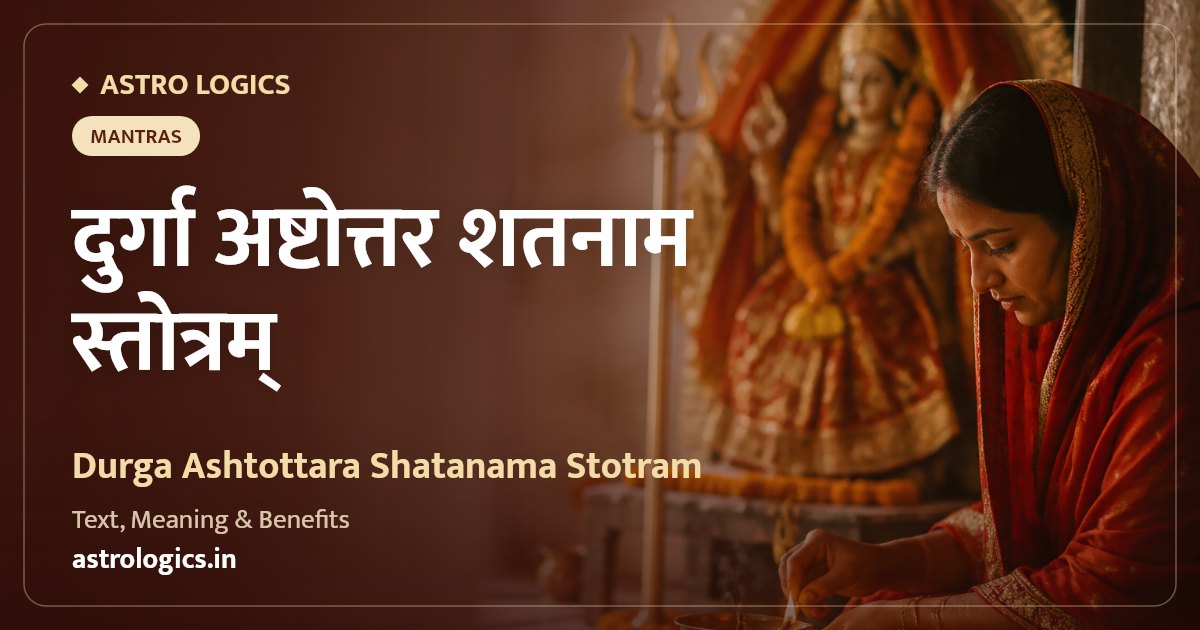


The altar within the mind - Durga Manasa Puja and the power of interior devotion
The Shri Durga Manasa Puja stotra belongs to one of the most refined streams of Indian devotional thought - the tradition of manasa puja, in which the entire elaborate ritual sequence of offering sandal, ornaments, garments, flowers, incense, lamp, and food is performed with such vivid interior contemplation that the mind itself becomes the altar, the hands, and the offering all at once. In this 19-verse stotra, the devotee addresses Goddess Durga in her resplendent form as Tripura Sundari, moving through each imagined offering with loving attention. The tradition's profound premise is that the divine, approached with a genuinely present heart, receives a mental offering no less fully than any physical ritual - a teaching that quietly dissolves the distinction between inner and outer worship.
In the Jyotish tradition, Goddess Durga's fierce protective energy and her capacity to dissolve obstacles are invoked particularly during challenging Mars and Moon periods, and this stotra is valued as an immediately accessible way to maintain that connection regardless of outer circumstance. Devotees recite it during the Navratri periods, on Fridays and Tuesdays, and whenever illness, travel, or other constraints make elaborate external ritual unavailable. The manasa puja form makes the stotra a compassionate companion for the seeker - the tradition's gentle assurance that the door to the Mother's grace is never closed by circumstance, only by the withdrawal of the heart's own attention, which sincere recitation of this text is designed to restore.