Batuk Bhairav Chalisa - बटुक भैरव चालीसा Lyrics, Meaning & Benefits
Batuk Bhairav Chalisa Lyrics (हिंदी में)
॥ दोहा ॥
विश्वनाथ को सुमिर मन, धर गणेश का ध्यान।
भैरव चालीसा रचूं, कृपा करहु भगवान॥
बटुकनाथ भैरव भजू, श्री काली के लाल।
छीतरमल पर कर कृपा, काशी के कुतवाल॥
॥ चौपाई ॥
जय जय श्रीकाली के लाला। रहो दास पर सदा दयाला॥
भैरव भीषण भीम कपाली। क्रोधवन्त लोचन में लाली॥
कर त्रिशूल है कठिन कराला। गल में प्रभु मुण्डन की माला॥
कृष्ण रूप तन वर्ण विशाला। पीकर मद रहता मतवाला॥
रुद्र बटुक भक्तन के संगी। प्रेत नाथ भूतेश भुजंगी॥
त्रैलतेश है नाम तुम्हारा। चक्र तुण्ड अमरेश पियारा॥
शेखरचंद्र कपाल बिराजे। स्वान सवारी पै प्रभु गाजे॥
शिव नकुलेश चण्ड हो स्वामी। बैजनाथ प्रभु नमो नमामी॥
अश्वनाथ क्रोधेश बखाने। भैरों काल जगत ने जाने॥
गायत्री कहैं निमिष दिगम्बर। जगन्नाथ उन्नत आडम्बर॥
क्षेत्रपाल दसपाण कहाये। मंजुल उमानन्द कहलाये॥
चक्रनाथ भक्तन हितकारी। कहैं त्र्यम्बक सब नर नारी॥
संहारक सुनन्द तव नामा। करहु भक्त के पूरण कामा॥
नाथ पिशाचन के हो प्यारे। संकट मेटहु सकल हमारे॥
कृत्यायु सुन्दर आनन्दा। भक्त जनन के काटहु फन्दा॥
कारण लम्ब आप भय भंजन। नमोनाथ जय जनमन रंजन॥
हो तुम देव त्रिलोचन नाथा। भक्त चरण में नावत माथा॥
त्वं अशतांग रुद्र के लाला। महाकाल कालों के काला॥
ताप विमोचन अरि दल नासा। भाल चन्द्रमा करहि प्रकाशा॥
श्वेत काल अरु लाल शरीरा। मस्तक मुकुट शीश पर चीरा॥
काली के लाला बलधारी। कहाँ तक शोभा कहूँ तुम्हारी॥
शंकर के अवतार कृपाला। रहो चकाचक पी मद प्याला॥
शंकर के अवतार कृपाला। बटुक नाथ चेटक दिखलाओ॥
रवि के दिन जन भोग लगावें। धूप दीप नैवेद्य चढ़ावें॥
दरशन करके भक्त सिहावें। दारुड़ा की धार पिलावें॥
मठ में सुन्दर लटकत झावा। सिद्ध कार्य कर भैरों बाबा॥
नाथ आपका यश नहीं थोड़ा। करमें सुभग सुशोभित कोड़ा॥
कटि घूँघरा सुरीले बाजत। कंचनमय सिंहासन राजत॥
नर नारी सब तुमको ध्यावहिं। मनवांछित इच्छाफल पावहिं॥
भोपा हैं आपके पुजारी। करें आरती सेवा भारी॥
भैरव भात आपका गाऊँ। बार बार पद शीश नवाऊँ॥
आपहि वारे छीजन धाये। ऐलादी ने रूदन मचाये॥
बहन त्यागि भाई कहाँ जावे। तो बिन को मोहि भात पिन्हावे॥
रोये बटुक नाथ करुणा कर। गये हिवारे मैं तुम जाकर॥
दुखित भई ऐलादी बाला। तब हर का सिंहासन हाला॥
समय व्याह का जिस दिन आया। प्रभु ने तुमको तुरत पठाया॥
विष्णु कही मत विलम्ब लगाओ। तीन दिवस को भैरव जाओ॥
दल पठान संग लेकर धाया। ऐलादी को भात पिन्हाया॥
पूरन आस बहन की कीनी। सुर्ख चुन्दरी सिर धर दीनी॥
भात भेरा लौटे गुण ग्रामी। नमो नमामी अन्तर्यामी॥
॥ दोहा ॥
जय जय जय भैरव बटुक, स्वामी संकट टार।
कृपा दास पर कीजिए, शंकर के अवतार॥
जो यह चालीसा पढे, प्रेम सहित सत बार।
उस घर सर्वानन्द हों, वैभव बढ़ें अपार॥
Batuk Bhairav Chalisa - Transliteration (English)
|| Doha ||
Vishwanaath Ko Sumir Man, Dhar Ganesh Ka Dhyaan.
Bhairav Chalisa Rachun, Kripa Karahu Bhagwaan.
Batuknaath Bhairav Bhaju, Shri Kaali Ke Laal.
Chheetarmal Par Kar Kripa, Kashi Ke Kutawaal.
|| Chaupai ||
Jai Jai Shrikaali Ke Lala. Raho Das Par Sada Dayala.
Bhairav Bhishan Bheem Kapaali. Krodhavant Lochan Mein Laali.
Kar Trishul Hai Kathin Karaala. Gal Mein Prabhu Mundan Ki Maala.
Krisha Roop Tan Varn Vishaala. Peekar Mad Rahata Matwaala.
Rudra Batuk Bhaktan Ke Sangi. Pret Naath Bhootesh Bhujangi.
Trailatesh Hai Naam Tumhara. Chakra Tund Amaresh Piyara.
Shekharchandra Kapaal Biraaje. Swaan Savaari Pai Prabhu Gaaje.
Shiv Nakulesh Chand Ho Swaami. Baijnaath Prabhu Namo Namaami.
Ashwanaath Krodhesh Bakhaane. Bhairon Kaal Jagat Ne Jaane.
Gaayatri Kahain Nimish Digambar. Jaganaath Unnat Aadambar.
Kshetrapal Daspaan Kahaaye. Manjul Umaanand Kahlaaye.
Chakranaath Bhaktan Hitkari. Kahain Tryambak Sab Nar Naari.
Sanhaarak Sunand Tav Naama. Karahu Bhakt Ke Pooran Kaama.
Naath Pishaachan Ke Ho Pyaare. Sankat Metahu Sakal Hamaare.
Krityaayu Sundar Aananda. Bhakt Janan Ke Kaatahu Phanda.
Kaaran Lamba Aap Bhay Bhanjan. Namonaath Jai Janman Ranjan.
Ho Tum Dev Trilochan Naatha. Bhakt Charan Mein Naavat Maatha.
Tvam Ashtang Rudra Ke Lala. Mahakaal Kaalon Ke Kaala.
Taap Vimocan Ari Dal Naasa. Bhaal Chandrama Karahi Prakaasha.
Shvet Kaal Aru Laal Shareera. Mastak Mukut Sheesh Par Cheera.
Kaali Ke Lala Baldhaari. Kahan Tak Shobha Kahun Tumhaari.
Shankar Ke Avtaar Kripaala. Raho Chakaachak Pi Mad Pyaala.
Shankar Ke Avtaar Kripaala. Batuk Naath Chetak Dikhlao.
Ravi Ke Din Jan Bhog Lagaaven. Dhoop Deep Naivedya Chadhaawen.
Darshan Karke Bhakt Sihaaven. Daaadua Ki Dhaar Pilaaven.
Math Mein Sundar Latkat Jhaava. Siddh Kaary Kar Bhairon Baaba.
Naath Aapka Yash Nahin Thoda. Karmein Subhag Sushobhit Koda.
Kati Ghungra Sureele Baajat. Kanchanmay Sinhaasan Raajat.
Nar Naari Sab Tumko Dhyaawihin. Manvaanchhit Icchaaphal Paawihin.
Bhopa Hain Aapke Pujaari. Karen Aarti Seva Bhaari.
Bhairav Bhaat Aapka Gaoon. Baar Baar Pad Sheesh Nawaoon.
Aaphi Vaare Chheejan Dhaaye. Ailaadi Ne Rudan Machaaye.
Bahan Tyaagi Bhaai Kahan Jaave. To Bin Ko Mohi Bhaat Pinhaave.
Roye Batuk Naath Karuna Kar. Gaye Hivaare Main Tum Jaakar.
Dukhit Bhai Ailaadi Baala. Tab Har Ka Sinhaasan Haala.
Samay Vyaah Ka Jis Din Aaya. Prabhu Ne Tumko Turat Pathaaya.
Vishnu Kahi Mat Vilamb Lagaao. Teen Diwas Ko Bhairav Jaao.
Dal Pathaan Sang Lekar Dhaaya. Ailaadi Ko Bhaat Pinhaaya.
Pooran Aas Bahan Ki Keeni. Surkh Chundari Sir Dhar Deeni.
Bhaat Bhera Laute Gun Graami. Namo Namaami Antaryaami.
|| Doha ||
Jai Jai Jai Bhairav Batuk, Swaami Sankat Taar.
Kripa Das Par Keejiye, Shankar Ke Avtaar.
Jo Yah Chalisa Padhe, Prem Sahit Sat Baar.
Us Ghar Sarvaanand Hon, Vaibhav Badhen Apaar.
Meaning & Significance
The Batuk Bhairav Chalisa is a forty-verse devotional hymn dedicated to Batuk Bhairav, the youthful, child form of Bhairav and an avatar of Lord Shiva. The chalisa opens with invocations to Vishwanath (Shiva of Kashi) and Ganesha before addressing the deity as Batuknaath, the child lord of Kashi. The forty verses enumerate Batuk Bhairav's many names and divine attributes - his fearsome dark body, skull-garland, trident, crescent moon, serpent ornamentation, and his mount the dog - while also honouring his role as friend and protector of devotees. A particularly moving narrative within the chalisa recounts how Batuk Bhairav, moved by the tears of Ailaadi (a devoted sister whose brother was absent at her wedding), personally fulfilled the sacred ritual of presenting her with bridal gifts (bhaat), demonstrating his compassion alongside his terrifying power. The closing doha promises that reciting the chalisa one hundred times with love will fill a household with complete bliss and boundless prosperity.
About Batuk Bhairav
Batuk Bhairav is the child form (batuk means young boy or student) of Bhairav, the fierce manifestation of Shiva. In Shaiva tantric tradition, Batuk Bhairav is regarded as one of the eight principal Bhairav forms (Ashta Bhairav) and is particularly venerated in the Shakta Tantra for his role as the guardian of sacred sites and temples. Unlike the formidable, adult Kaal Bhairav who governs time and death, Batuk Bhairav projects a slightly more accessible energy - still powerful and protective, but with a quality of youthful mischief and deep compassion for the vulnerable and devoted. His iconography shows him as a dark-complexioned, child-like deity wearing a crown and jewels, riding a dog, and carrying a trident, skull, and whip. Principal shrines dedicated to Batuk Bhairav include those in Varanasi, Ujjain, and the ancient Bhairav Kund site in Rajasthan. He is widely propitiated for removal of obstacles, protection from black magic, and success in difficult undertakings.
Benefits of Reciting the Batuk Bhairav Chalisa
- The closing doha of the chalisa promises that one hundred readings with sincere devotion will bring complete joy (sarvaanand) and unlimited prosperity to the household.
- Batuk Bhairav is considered a protector of the young, the vulnerable, and those facing injustice; recitation is traditionally associated with his protection over children and family members.
- Regular chanting is believed to dispel fear, cut through karmic entanglements, and remove obstacles placed by enemies or negative supernatural forces.
- The chalisa's narrative of Batuk Bhairav's compassion toward Ailaadi is invoked by devotees seeking divine intervention in family crises and emotional distress.
- Devotees engaged in tantric or yogic practices incorporate the chalisa into their sadhana as a means of invoking the Bhairav energy for spiritual advancement and inner fearlessness.
How to Recite (Vidhi)
- Bathe and wear clean attire; black or deep red are traditionally associated with Bhairav worship.
- Set up an altar with an image of Batuk Bhairav, a lamp fuelled by sesame or mustard oil, and incense.
- Offer black sesame seeds, urad dal, or flowers; liquor (madira) is a traditional offering in Bhairav worship at temples, though individual home practice may substitute water or milk.
- Begin the chalisa with the opening doha invoking Vishwanath and Ganesha, then proceed through the verses with steady focus.
- Conclude with the two closing dohas and remain in quiet meditation for a few moments, mentally surrendering any burdens or fears to the deity.
- For the hundred-reading vow, practise consistently over forty consecutive days, reciting at least two to three readings daily.
Best Day & Time to Recite
Sunday (Ravivar) is specifically mentioned within the Batuk Bhairav Chalisa itself as the day for making offerings to the deity, making it the most auspicious day for recitation. The eighth lunar day (Ashtami) of both the bright and dark fortnight is sacred to all Bhairav forms. Kaal Bhairav Ashtami (Margashirsha Krishna Ashtami) is the principal annual festival. Midnight and late evening are the traditional hours for tantric Bhairav worship, though early morning after bathing is appropriate for daily devotional practice. The chalisa is especially effective when recited during the dark lunar fortnight (Krishna Paksha).
Frequently Asked Questions
Who is Batuk Bhairav and how does he differ from Kaal Bhairav?
Batuk Bhairav is the child form of Bhairav, while Kaal Bhairav is the elder, time-governing warrior form. Both are manifestations of Shiva, but Batuk Bhairav's energy is associated with youthful power, compassion, and tantric protection, whereas Kaal Bhairav governs time, death, and divine justice as the Kotwal of Kashi. Batuk Bhairav is especially venerated in Shakta tantra as a protective deity of sacred spaces and the young.
What is the story of Ailaadi in the Batuk Bhairav Chalisa?
The chalisa includes a touching episode in which a devoted sister named Ailaadi wept because her brother was absent at her wedding and there was no one to perform the traditional ritual of the bridal gift-giving ceremony (bhaat). Moved by her grief, Batuk Bhairav intervened and himself performed the role of the absent brother, presenting her with gifts and adorning her with a red chunari (bridal veil). This story illustrates Bhairav's deep compassion and his willingness to fulfil familial duties for those who surrender to him.
What offerings are traditionally made to Batuk Bhairav?
Traditional offerings to Batuk Bhairav include black sesame (til), urad dal, mustard oil for the lamp, and flowers. At temple shrines, liquor (madira or daru) is a customary offering unique to Bhairav, symbolising the deity's association with the Vama Marga tantric tradition. Cooked food (bhog), particularly urad dal preparations, is also offered. The chalisa specifically mentions devotees making food offerings (bhog lagaaven) on Sundays as part of regular worship.
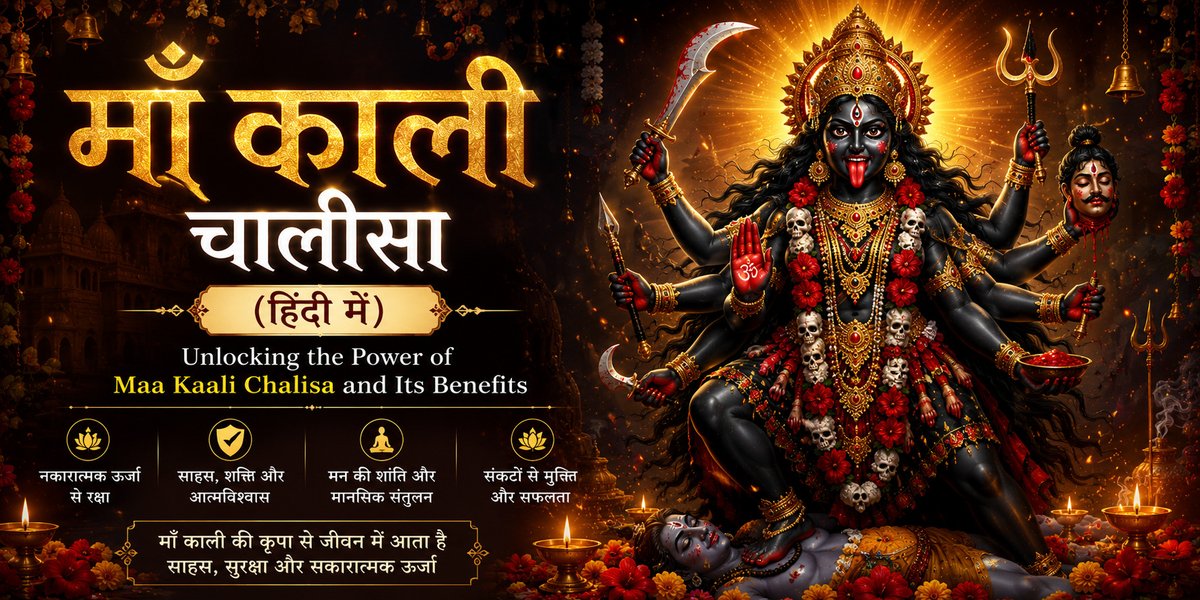
The youthful guardian who stands between us and shadow
Batuk Bhairav is one of the most tender and yet most potent forms within the vast Shaiva and Shakta tradition - a youthful (batuk meaning child or boy) manifestation of Bhairav, himself a fierce aspect of Lord Shiva. Unlike the more austere and formidable adult Bhairav forms, Batuk Bhairav radiates a quality of playful, unconditional protection: the divine child who vanquishes what terrifies yet does so with an innocence that makes him especially approachable. The Batuk Bhairav Chalisa addresses him with the warmth one might show to a beloved young protector, invoking his grace to guard the devotee from unseen forces, obstacles, and fearful circumstances.
This chalisa is traditionally recited on Sundays and on the eighth lunar day (Ashtami), which is sacred across many Shaiva and Shakta lineages. Tantric practitioners and those following Shakta sadhana paths hold Batuk Bhairav in particular reverence, and the chalisa serves as a gentler, devotional entry point into his energy for those not initiated into deeper rites. Devotees believe that regular recitation builds a protective shield around the home and family, settles anxious minds, and gradually dissolves irrational fears. In temple traditions of Varanasi and elsewhere, his shrine is often found at the gateway, reminding us that the guardian's place is always at the threshold.