Vindhyeshwari Chalisa – Lyrics, Meaning & Benefits | Vindhyachal
Vindhyeshwari Chalisa Lyrics (हिंदी में)
॥ दोहा ॥
नमो नमो विन्ध्येश्वरी, नमो नमो जगदम्ब ।
सन्तजनों के काज में करती नहीं विलम्ब ॥
॥ चौपाई ॥
जय जय जय विन्ध्याचल रानी । आदि शक्ति जग विदित भवानी ॥१॥
सिंहवाहिनी जय जग माता । जय जय जय त्रिभुवन सुखदाता ॥२॥
कष्ट निवारिणि जय जग देवी । जय जय जय असुरासुर सेवी ॥३॥
महिमा अमित अपार तुम्हारी । शेष सहस मुख वर्णत हारी ॥४॥
दीनन के दुख हरत भवानी । नहिं देख्यो तुम सम कोई दानी ॥५॥
सब कर मनसा पुरवत माता । महिमा अमित जगत विख्याता ॥६॥
जो जन ध्यान तुम्हारो लावे । सो तुरतहि वांछित फल पावे ॥७॥
तु ही वैष्णवी तुही रुद्राणी । तुही शारदा अरु ब्रहमाणी ॥८॥
रमा राधिका श्यामा काली । तुही मात सन्तन प्रतिपाली ॥९॥
उमा माधवी चण्डी ज्वाला । वेगि मोहि पर होहु दयाला ॥१०॥
तुही हिंगलाज महारानी । तुही शीतला अरु विज्ञानी ॥११॥
दुर्गा दुर्ग विनाशिनि माता । तुही लक्ष्मी जग सुखदाता ॥१२॥
तुही जान्हवी अरु इन्द्राणी । हेमावती अम्ब निर्वाणी ॥१३॥
अष्टभुजी वाराहिनि देवी । करत विष्णु शिव जाकर सेवी ॥१४॥
चौसट्टी देवी कल्याणी । गौरि मंगला सब गुन खानी ॥१५॥
पाटन मुम्बा दन्त कुमारी । भद्रकाली सुन विनय हमारी ॥१६॥
वज्रधारिणी शोक विनाशिनी । आयु रक्षिणी विन्ध्यनिवासिनी ॥१७॥
जया और विजया बैताली । मातु सुगन्धा अरु विकराली ॥१८॥
नाम अनन्त तुम्हार भवानी । बरनै किमि मानुष अज्ञानी ॥१९॥
जा पर कृपा मातु तव होई । तो वह करै चहै मन जोई ॥२०॥
कृपा करहु मो पर महारानी । सिद्घ करहु अम्बे मम बानी ॥२१॥
जो नर धरै मातु कर ध्याना । ताकर सदा होय कल्याना ॥२२॥
विपति ताहि सपनेहु नहिं आवै । जो देवी का जाप करावै ॥२३॥
जो नर कहं ऋण होय अपारा । सो नर पाठ करै शत बारा ॥२४॥
निश्चय ऋण मोचन होई जाई । जो नर पाठ करै मन लाई ॥२५॥
अस्तुति जो नर पढ़े पढ़ावै । या जग में सो अति सुख पावै ॥२६॥
जाको व्याधि सतावै भाई । जाप करत सब दूरि पराई ॥२७॥
जो नर अति बन्दी महं होई । बार हजार पाठ कर सोई ॥२८॥
निश्चय बन्दी ते छुटि जाई । सत्य वचन मम मानहु भाई ॥२९॥
जा पर जो कछु संकट होई । निश्चय देविहिं सुमिरै सोई ॥३०॥
जो नर पुत्र होय नहि भाई । सो नर या विधि करे उपाई ॥३१॥
पाँच वर्ष सो पाठ करावै । नौरातर में विप्र जिमावै ॥३२॥
निश्चय होहिं प्रसन्न भवानी । पुत्र देहि ता कहं गुणखानी ॥३३॥
ध्वजा नारियल आनि चढ़ावै । विधि समेत पूजन करवावै ॥३४॥
नितप्रति पाठ करै मन लाई । प्रेम सहित नहिं आन उपाई ॥३५॥
यह श्री विन्ध्याचल चालीसा । रंक पढ़त होवे अवनीसा ॥३६॥
यह जनि अचरज मानहुं भाई । कृपा दृष्टि ता पर होइ जाई ॥३७॥
जय जय जय जगमातु भवानी । कृपा करहुं मोहि निज जन जानी ॥३८॥
(additional concluding verses per tradition:)
जो नर पुत्र होय नहि भाई । पुनि करे विनय माता सुनि लाई ॥३९॥
जय जय माँ विन्ध्यनिवासिनी । भक्त जनों की सुख की दायिनी ॥४०॥
॥ दोहा ॥
नमो नमो विन्ध्येश्वरी, नमो नमो जगदम्ब ।
सन्तजनों के काज में, करती नहीं विलम्ब ॥
Vindhyeshwari Chalisa – Transliteration (English)
|| Doha ||
Namo namo Vindhyeshvari, namo namo Jagadamba,
Santajanon ke kaaj mein, karati nahin vilamba.
|| Chaupai ||
Jay jay jay Vindhyachal Rani, Adi Shakti jag vidit Bhavani. (1)
Sinhavahini jay jag mata, jay jay jay tribhuvan sukhadaata. (2)
Kasht nivarini jay jag devi, jay jay jay asuraasur sevi. (3)
Mahima amit apaar tumhari, Shesh sahas mukh varnat haari. (4)
Dinan ke dukh harat Bhavani, nahin dekhyo tum sam koi daani. (5)
Sab kar manasa purvat mata, mahima amit jagat vikhyaata. (6)
Jo jan dhyan tumharo laave, so turatahin vaanchhit phal paave. (7)
Tu hi Vaishnavee tu hi Rudrani, tu hi Sharda aru Brahmani. (8)
Rama Radhika Shyama Kali, tu hi maat santan pratipaali. (9)
Uma Madhavi Chandi Jwala, vegi mohi par hohu dayaala. (10)
Tu hi Hinglaj Maharani, tu hi Shitala aru Vigyani. (11)
Durga durg vinashini mata, tu hi Lakshmi jag sukhadaata. (12)
Tu hi Janhavi aru Indrani, Hemavati Amba Nirvani. (13)
Ashtabhuji Varahini Devi, karat Vishnu Shiv jakar sevi. (14)
Chaunsatthi Devi Kalyani, Gauri Mangala sab gun khaani. (15)
Patan Mumba Dant Kumari, Bhadrakali sun vinay hamari. (16)
Vajradharini shok vinashini, aayu rakshini Vindhyanivasini. (17)
Jaya aur Vijaya Baitali, matu Sugandha aru Vikarali. (18)
Nam anant tumhar Bhavani, barnai kimi manush agyani. (19)
Ja par kripa matu tav hoi, to vah karai chahai man joi. (20)
Kripa karahu mo par Maharani, siddh karahu Ambe mam bani. (21)
Jo nar dharai matu kar dhyana, takar sada hoy kalyana. (22)
Vipati taahi sapanehu nahin aavai, jo Devi ka jaap karavai. (23)
Jo nar kahan rin hoy apara, so nar path karai shat bara. (24)
Nishchay rin mochan hoi jaai, jo nar path karai man laai. (25)
Astuti jo nar padhe padhaave, ya jag mein so ati sukh paave. (26)
Jaako vyadhi sataavai bhai, jaap karat sab duri parai. (27)
Jo nar ati bandi mahan hoi, baar hazar path kar soi. (28)
Nishchay bandi te chhuti jaai, satya vachan mam maanahu bhai. (29)
Ja par jo kachhu sankat hoi, nishchay Devhi sumirai soi. (30)
Jo nar putra hoy nahin bhai, so nar ya vidhi kare upai. (31)
Panch varsh so path karaave, Nauratar mein vipr jimaave. (32)
Nishchay hohin prasann Bhavani, putr dehi ta kahan gunakhaani. (33)
Dhvaja nariyyal aani chadhave, vidhi samet poojan karavave. (34)
Nitprati path karai man laai, prem sahit nahin aan upai. (35)
Yah Shri Vindhyachal Chalisa, ranka padhat hove avanisa. (36)
Yah jani acharaj maanahu bhai, kripa drishti ta par hoi jaai. (37)
Jay jay jay Jagmatu Bhavani, kripa karahu mohi nij jan jaani. (38-40)
|| Doha ||
Namo namo Vindhyeshvari, namo namo Jagadamba,
Santajanon ke kaaj mein, karati nahin vilamba.
Meaning & Significance
The Vindhyeshwari Chalisa is a forty-verse devotional hymn in praise of Maa Vindhyavasini, the goddess who presides over the Vindhya mountains and her principal seat at Vindhyachal in Mirzapur, Uttar Pradesh. The opening doha salutes her as Jagadamba - Mother of the World - and praises her readiness to come swiftly to the aid of the devoted. The forty chaupais celebrate her as Adi Shakti, the primordial power who underlies all creation, riding the lion, dwelling on the Vindhya hills, and accessible to devotees at any time. The chalisa is distinctive for its sweeping enumeration of the goddess's manifold forms: she is Vaishnavi and Rudrani, Sarada and Brahmaani, Rama and Radhika and Kali, Hinglaaj and Sheetala, Janhavi and Indrani, Chamunda and Jwala - all the great goddesses of the subcontinent are declared to be expressions of the one Vindhyeshwari. This universalist theological vision makes the chalisa simultaneously a local hymn to the Vindhyachal shrine and a pan-Indian assertion of Shakta theology. The poem also contains practical petitions: relief from debt, release from captivity, and the gift of children to the childless - reflecting the real concerns of generations of pilgrims who have climbed to the Vindhyachal temple with their hopes and sorrows.
About Maa Vindhyeshwari
Maa Vindhyavasini (also called Vindhyeshwari, Vindhyachaleshwari, and Vindeshwari) is the presiding goddess of the Vindhyachal Shakti Pitha located on the banks of the Ganga at Mirzapur, Uttar Pradesh. This site is one of the most sacred among the 51 Shakti Pithas, and according to some traditions it is the place where the goddess permanently chose to reside after fulfilling her cosmic mission. The Devi Bhagavata Purana describes Vindhyavasini as the Yogamaya who was born to Yashoda on the night that Krishna was born to Devaki; she was the divine female child whom Kansa attempted to kill, and who ascended into the sky, laughed, and announced the doom of the demon king before vanishing into the Vindhya mountains. In this way, her birth and Krishna's birth are cosmically intertwined. The temple complex at Vindhyachal forms a sacred triangle (Trikona) together with the Ashtabhuja and Kali temples on neighbouring hills, and a complete pilgrimage traditionally visits all three. The goddess is eight-armed and depicted as both fierce and benevolent, embodying the full power of the divine mother over creation and destruction.
Benefits of Reciting the Vindhyeshwari Chalisa
- The chalisa is recited to seek the goddess's immediate intervention in times of distress, calamity, or danger, as she is praised for acting "without delay" on behalf of devotees.
- Those burdened with heavy debt traditionally recite the chalisa one hundred times with sincere focus as a form of spiritual relief alongside practical effort.
- Devotees facing unjust imprisonment or legal entanglement are said to find relief through dedicated recitation of the chalisa.
- Families seeking children offer special puja at Vindhyachal over five Navratris, accompanied by daily recitation of this chalisa.
- Regular recitation is said to ward off disease, remove obstacles, and bring prosperity and worldly success.
- The chalisa awakens awareness of the goddess's omnipresent form, fostering devotion and inner fearlessness.
How to Recite (Vidhi)
- Bathe and sit facing east or north on a clean mat; place an image of Maa Vindhyeshwari on the altar and light a lamp and incense.
- Offer red flowers (hibiscus or rose), vermilion (sindoor), and a coconut - all traditional offerings to the Shakti goddess.
- Begin with three repetitions of "Om Aim Hrim Kleem Chamundayai Vichche" or simply "Jai Maa Vindhyavasini" as an invocation.
- Recite the chalisa slowly and with genuine feeling, especially the verses that describe the deity's universal forms across India's Shakti tradition.
- For fulfilment of specific desires, traditional practice recommends completing the chalisa a specified number of times (100 for debt relief, 1,000 for release from captivity) over consecutive days with sincere prayer.
- Conclude with Vindhyeshwari Aarti and a brief silent dedication of the merit to the wellbeing of all living beings.
Best Day & Time to Recite
Tuesday (Mangalvar) and Friday (Shukravar) are considered especially auspicious for reciting the Vindhyeshwari Chalisa, as these days are associated with Shakti worship across much of the Hindu calendar tradition. The nine nights of Navratri - observed twice yearly in Chaitra (March–April) and Ashwin (September–October) - are the most sacred period, with lakhs of pilgrims ascending to the Vindhyachal shrine. Early morning recitation before sunrise, or at dusk during the evening aarti, is the preferred time. Those who make the pilgrimage to Vindhyachal traditionally complete the chalisa while climbing to the temple or seated in the goddess's presence for maximum spiritual potency.
Frequently Asked Questions
Where is the Vindhyeshwari temple located and why is it significant?
The principal Vindhyeshwari temple is located at Vindhyachal in Mirzapur district, Uttar Pradesh, on the southern bank of the Ganga river. It is one of the 51 Shakti Pithas recognised across Hindu tradition and is considered a svayambhu shrine - meaning the goddess is believed to have manifested herself there without human installation. The site is approximately 8 km from Varanasi, making it a natural extension of the sacred geography of that city, and it draws millions of pilgrims annually.
What is the connection between Maa Vindhyavasini and Lord Krishna?
According to the Devi Bhagavata Purana and related texts, Maa Vindhyavasini was the divine Yogamaya born to Nanda and Yashoda on the same night as Krishna. When Kansa tried to destroy her, thinking she might be the prophesied child who would end him, she flew into the sky, declared his doom, and departed to the Vindhya mountains to dwell there eternally. This narrative establishes the goddess as intimately connected to the Krishna lila while being a fully independent and sovereign divine power in her own right.
Is the Vindhyachal temple a Shakti Pitha? What does that mean?
A Shakti Pitha is one of the sacred sites where a part of the body of Sati (Shiva's consort) is believed to have fallen when Vishnu's Sudarshana chakra dismembered her grief-stricken form. There are traditionally 51 such sites across the Indian subcontinent, each hosting a form of the goddess and an associated Bhairava (form of Shiva). Vindhyachal is counted among the most significant of these, representing the divine mother's permanent presence in the landscape as a refuge and protector for all devotees.
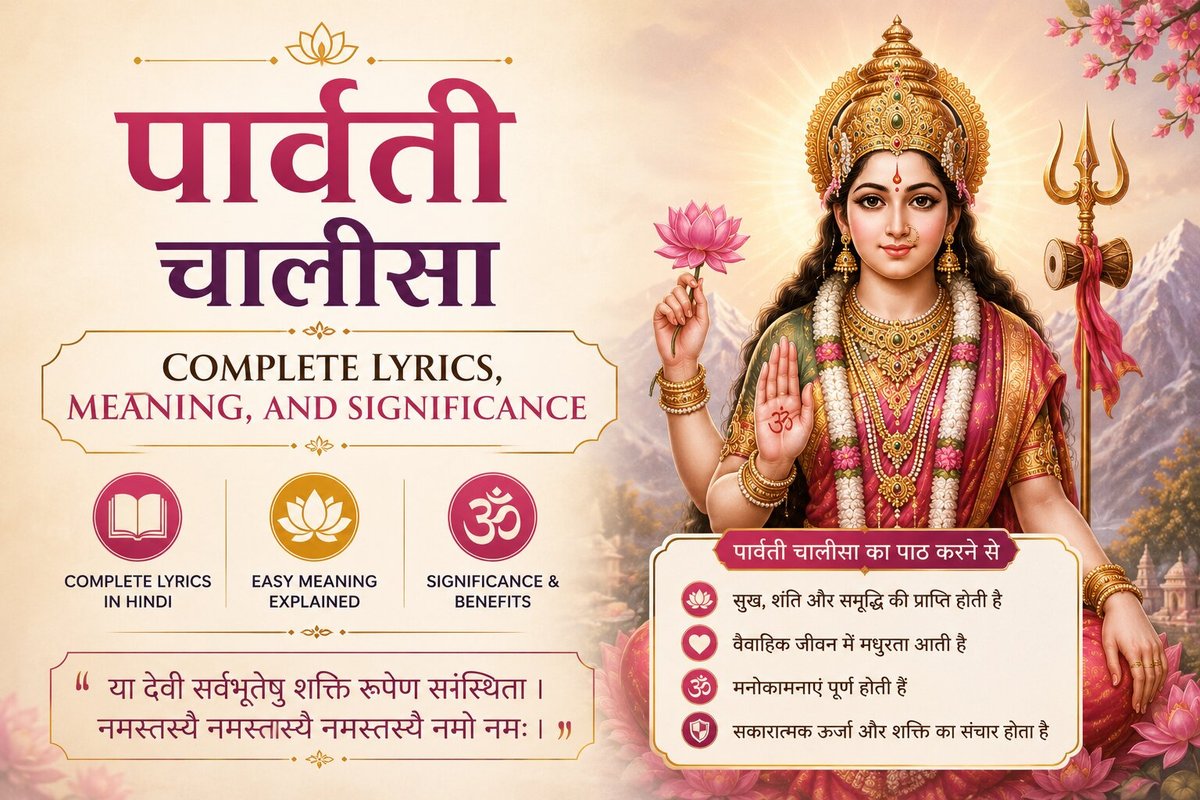
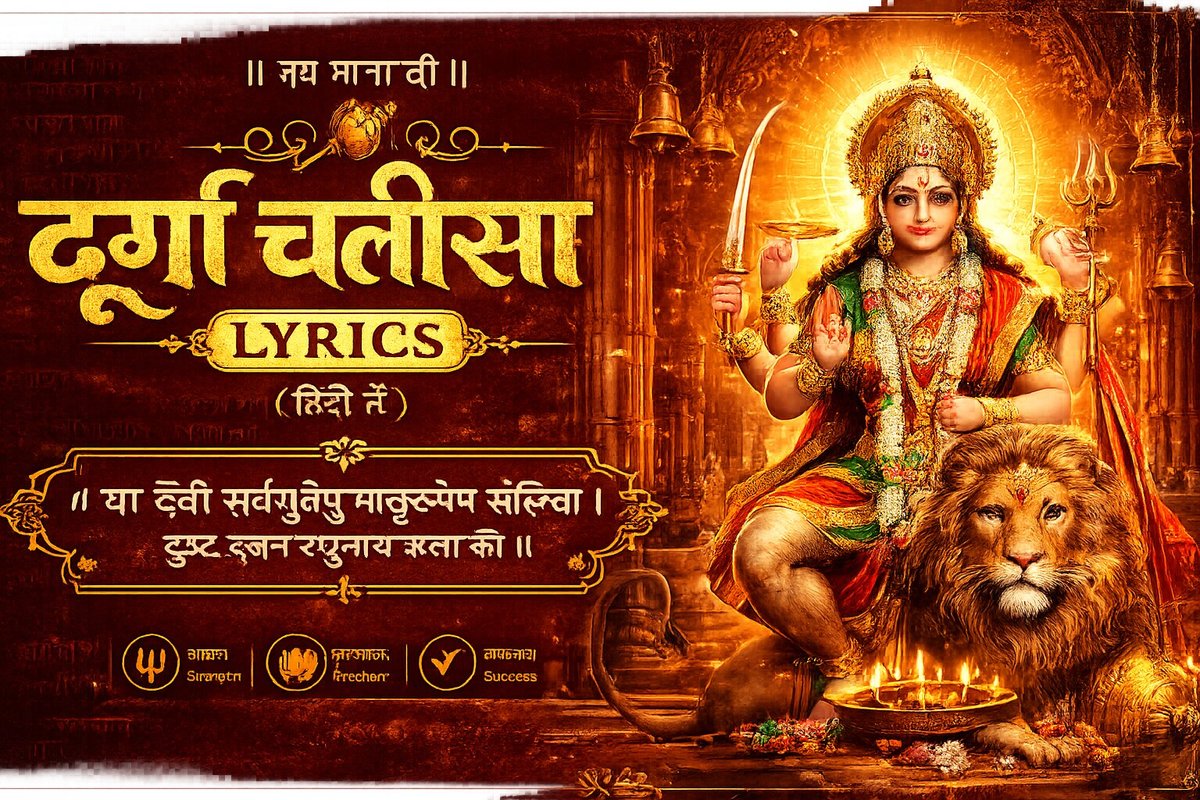
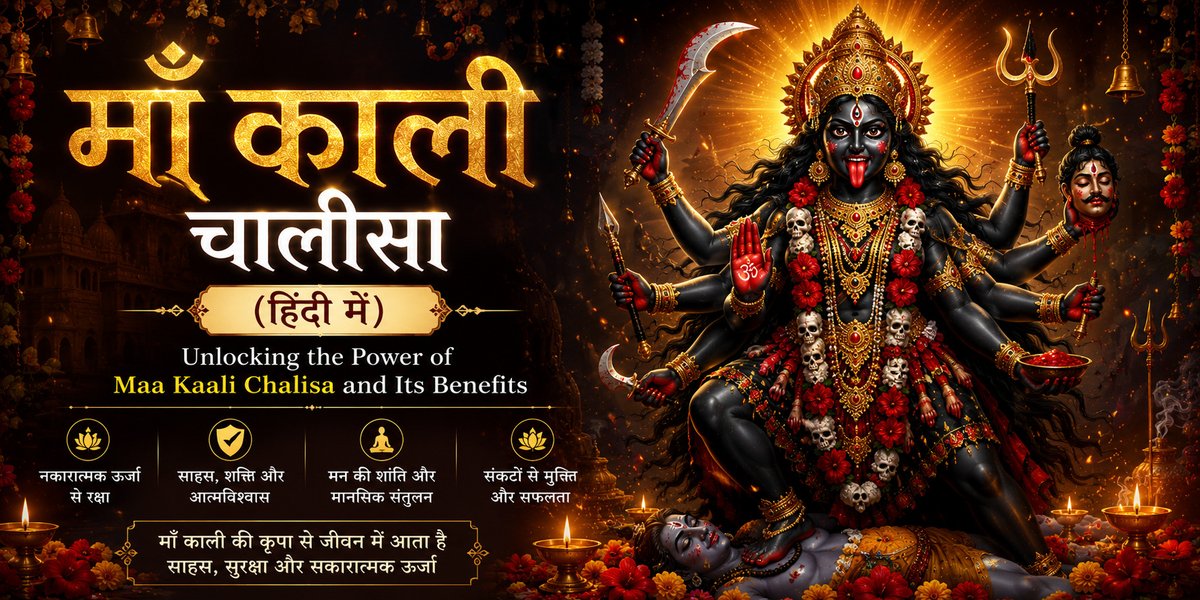
Maa Vindhyavasini - the mountain-dwelling goddess and her Chalisa's primal energy
Maa Vindhyavasini - she who dwells in the Vindhya range - is one of the oldest and most powerful Shakti pithas, her principal shrine resting at Vindhyachal near Mirzapur in Uttar Pradesh where the Ganga flows close by. The rasa of her Chalisa is one of primal, unadorned reverence: this is a goddess who predates sophisticated mythological elaboration, rooted in the ancient conviction that the hills, rivers, and earth itself are alive with feminine sacred power. The Chalisa is recited with particular devotion during both Navaratris - the Chaitra and the Sharadiya - and the nine-day Vindhyachal fair draws pilgrims from across the Hindi heartland who recite it while circumambulating the three interconnected shrines of Vindhyavasini, Ashtabhuja, and Kali Khoh. Many devotees also offer this recitation on Fridays and on the occasion of Durga Puja celebrations.
The distinctive character of this Chalisa lies in its acknowledgment of the Goddess in her most elemental form: not softened for palatability but approached directly, in the full awareness that the force which can protect is the same force that can overwhelm. This frank encounter with Shakti in her complete range is seen in the bhakti tradition as itself a form of spiritual maturity - the capacity to hold both beauty and fierceness within one's devotion without flinching. Devotees believe that sincere recitation of the Vindhyavasini Chalisa, especially when accompanied by the intention to serve others and to uphold truth, draws the Goddess's specifically protective grace. The takeaway is ancient and simple: the sacred mountain does not come to you; you must climb toward it.