Kaal Bhairav Chalisa - काल भैरव चालीसा Lyrics, Meaning & Benefits
Kaal Bhairav Chalisa Lyrics (हिंदी में)
दोहा
श्री गणपति गुरु गौरी पद प्रेम सहित धरि माथ।
चालीसा वंदन करो श्री शिव भैरवनाथ॥
श्री भैरव संकट हरण मंगल करण कृपाल।
श्याम वरण विकराल वपु लोचन लाल विशाल॥
चौपाई
जय जय श्री काली के लाला। जयति जयति काशी-कुतवाला॥
जयति बटुक-भैरव भय हारी। जयति काल-भैरव बलकारी॥
जयति नाथ-भैरव विख्याता। जयति सर्व-भैरव सुखदाता॥
भैरव रूप कियो शिव धारण। भव के भार उतारण कारण॥
भैरव रव सुनि हवै भय दूरी। सब विधि होय कामना पूरी॥
शेष महेश आदि गुण गायो। काशी-कोतवाल कहलायो॥
जटा जूट शिर चंद्र विराजत। बाला मुकुट बिजायठ साजत॥
कटि करधनी घुंघरू बाजत। दर्शन करत सकल भय भाजत॥
जीवन दान दास को दीन्ह्यो। कीन्ह्यो कृपा नाथ तब चीन्ह्यो॥
वसि रसना बनि सारद-काली। दीन्ह्यो वर राख्यो मम लाली॥
धन्य धन्य भैरव भय भंजन। जय मनरंजन खल दल भंजन॥
कर त्रिशूल डमरू शुचि कोड़ा। कृपा कटाक्ष सुयश नहिं थोडा॥
जो भैरव निर्भय गुण गावत। अष्टसिद्धि नव निधि फल पावत॥
रूप विशाल कठिन दुख मोचन। क्रोध कराल लाल दुहुं लोचन॥
अगणित भूत प्रेत संग डोलत। बम बम बम शिव बम बम बोलत॥
रुद्रकाय काली के लाला। महा कालहू के हो काला॥
बटुक नाथ हो काल गंभीरा। श्वेत रक्त अरु श्याम शरीरा॥
करत नीनहूं रूप प्रकाशा। भरत सुभक्तन कहं शुभ आशा॥
रत्न जड़ित कंचन सिंहासन। व्याघ्र चर्म शुचि नर्म सुआनन॥
तुमहि जाइ काशिहिं जन ध्यावहिं। विश्वनाथ कहं दर्शन पावहिं॥
जय प्रभु संहारक सुनन्द जय। जय उन्नत हर उमा नन्द जय॥
भीम त्रिलोचन स्वान साथ जय। वैजनाथ श्री जगतनाथ जय॥
महा भीम भीषण शरीर जय। रुद्र त्रयम्बक धीर वीर जय॥
अश्वनाथ जय प्रेतनाथ जय। स्वानारुढ़ सयचंद्र नाथ जय॥
निमिष दिगंबर चक्रनाथ जय। गहत अनाथन नाथ हाथ जय॥
त्रेशलेश भूतेश चंद्र जय। क्रोध वत्स अमरेश नन्द जय॥
श्री वामन नकुलेश चण्ड जय। कृत्याऊ कीरति प्रचण्ड जय॥
रुद्र बटुक क्रोधेश कालधर। चक्र तुण्ड दश पाणिव्याल धर॥
करि मद पान शम्भु गुणगावत। चौंसठ योगिन संग नचावत॥
करत कृपा जन पर बहु ढंगा। काशी कोतवाल अड़बंगा॥
देयं काल भैरव जब सोटा। नसै पाप मोटा से मोटा॥
जनकर निर्मल होय शरीरा। मिटै सकल संकट भव पीरा॥
श्री भैरव भूतों के राजा। बाधा हरत करत शुभ काजा॥
ऐलादी के दुख निवारयो। सदा कृपाकरि काज सम्हारयो॥
सुन्दर दास सहित अनुरागा। श्री दुर्वासा निकट प्रयागा॥
श्री भैरव जी की जय लेख्यो। सकल कामना पूरण देख्यो॥
दोहा
जय जय जय भैरव बटुक स्वामी संकट टार।
कृपा दास पर कीजिए शंकर के अवतार॥
Kaal Bhairav Chalisa - Transliteration (English)
Doha
Shri Ganapati Guru Gauri Pad Prem Sahit Dhari Maath.
Chalisa Vandan Karo Shri Shiv Bhairavnaath.
Shri Bhairav Sankat Haran Mangal Karan Kripal.
Shyam Varan Vikral Vapu Lochan Lal Vishal.
Chaupai
Jai Jai Shri Kaali Ke Lala. Jayati Jayati Kashi Kotwaala.
Jayati Batuk Bhairav Bhay Haari. Jayati Kaal Bhairav Balkaari.
Jayati Naath Bhairav Vikhyaata. Jayati Sarv Bhairav Sukhdaata.
Bhairav Roop Kiyo Shiv Dhaaran. Bhav Ke Bhaar Utaaran Kaaran.
Bhairav Rav Suni Havai Bhay Doori. Sab Vidhi Hoy Kaamna Poori.
Shesh Mahesh Aadi Gun Gaayo. Kashi Kotwal Kahlaayo.
Jata Joot Shir Chandra Viraajat. Bala Mukut Bijaayath Saajat.
Kati Kardhaani Ghunghru Baajat. Darshan Karat Sakal Bhay Bhaajat.
Jeevan Daan Das Ko Deenhyo. Keenhyo Kripa Naath Tab Cheenhyo.
Vasi Rasna Bani Saarad Kaali. Deenhyo Var Raakhyo Mam Laali.
Dhanya Dhanya Bhairav Bhay Bhanjan. Jai Manranjan Khal Dal Bhanjan.
Kar Trishul Damru Shuchi Koda. Kripa Kataksh Suyash Nahin Thoda.
Jo Bhairav Nirbhay Gun Gaavat. Ashtsiddhi Nav Nidhi Phal Paavat.
Roop Vishaal Kathin Dukh Mochan. Krodh Karaal Laal Duhun Lochan.
Aganit Bhoot Pret Sang Dolat. Bam Bam Bam Shiv Bam Bam Bolat.
Rudrakaay Kaali Ke Lala. Maha Kaalhoo Ke Ho Kaala.
Batuk Naath Ho Kaal Gambheera. Shvet Rakt Aru Shyam Shareera.
Karat Teenahun Roop Prakaasha. Bharat Subhaktan Kahan Shubh Aasha.
Ratan Jadit Kanchan Sinhaasan. Vyaghra Charm Shuchi Narm Suaanan.
Tumhi Jaai Kaashihin Jan Dhyaavihin. Vishwanaath Kahan Darshan Paavihin.
Jai Prabhu Sanhaarak Sunanda Jai. Jai Unnat Har Uma Nanda Jai.
Bheem Trilochan Swaan Saath Jai. Vaijnaath Shri Jagatnaath Jai.
Maha Bheem Bhishan Shareer Jai. Rudra Trayambak Dheer Veer Jai.
Ashwanaath Jai Pretanaath Jai. Swaanarudh Saychandra Naath Jai.
Nimish Digambar Chakranaath Jai. Gahat Anaathan Naath Haath Jai.
Treshalesh Bhootesh Chandra Jai. Krodh Vats Amaresh Nanda Jai.
Shri Vaaman Nakulesh Chand Jai. Krityau Keerti Prachand Jai.
Rudra Batuk Krodhesh Kaaldhar. Chakra Tund Dash Paanivyaal Dhar.
Kari Mad Paan Shambhu Gungaavat. Chaunsath Yogin Sang Nachaavat.
Karat Kripa Jan Par Bahu Dhangaa. Kashi Kotwal Adbangaa.
Deyan Kaal Bhairav Jab Sota. Nasai Paap Mota Se Mota.
Jankar Nirmal Hoy Shareera. Mitai Sakal Sankat Bhav Peera.
Shri Bhairav Bhooton Ke Raaja. Baadha Harat Karat Shubh Kaaja.
Ailaadi Ke Dukh Nivarrayo. Sada Kripaakari Kaaj Samhaarayo.
Sundar Das Sahit Anuraagaa. Shri Durvaasa Nikat Prayaagaa.
Shri Bhairav Ji Ki Jai Lekhyo. Sakal Kaamna Pooran Dekhyo.
Doha
Jai Jai Jai Bhairav Batuk Swaami Sankat Taar.
Kripa Das Par Keejiye Shankar Ke Avtaar.
Meaning & Significance
The Kaal Bhairav Chalisa is a forty-verse devotional hymn addressed to Bhairav, the fierce and powerful manifestation of Lord Shiva. The chalisa opens by saluting Kaal Bhairav as the son of Kali (Kaali Ke Lala) and as the Kotwal (chief magistrate and guardian) of Kashi (Varanasi). Each verse honours one or more of his names and divine attributes: his massive, terrifying form, his blood-red eyes, ash-smeared body, matted locks adorned with the crescent moon, the trident, the drum (damru), and the whip he carries. The text affirms that the mere sound of his name (Bhairav Rav) dispels all fear and fulfils all desires. The chalisa also alludes to the famous promise - visible in the verse about the Kashi Kotwal's staff - that when Kaal Bhairav strikes with his rod, even the gravest of sins are destroyed. The closing doha salutes him simultaneously as Batuk Bhairav and as the incarnation of Shankar, acknowledging the unity of all Bhairav forms.
About Kaal Bhairav
Kaal Bhairav is the most fearsome and potent form of Bhairav, himself a fierce avatar of Shiva. The name Kaal means both time and death, and Bhairav means the one who is formidable and sustains the universe through terror and transformation. According to Shaiva tradition, Bhairav was created when Shiva cut off one of Brahma's five heads in anger; this act of severing, followed by Bhairav carrying the skull as a begging bowl (Brahma Kapala), forms his distinctive iconography. Kaal Bhairav is the presiding deity and Kotwal of Varanasi; the belief holds that no soul can attain moksha from Kashi without Kaal Bhairav's permission. The Kaal Bhairavnath Mandir in Varanasi is one of the most ancient and revered temples in the city. Among Bhairav's eight principal forms (Ashta Bhairav), Kaal Bhairav is regarded as the controller of time itself, and his mount is a black dog.
Benefits of Reciting the Kaal Bhairav Chalisa
- Recitation of the chalisa is believed to remove deep-seated fears, negative energy, and the influence of malevolent spirits, as the text states that all fear flees at the mere sound of Bhairav's name.
- Devotees facing legal troubles, enemies, or persistent obstacles seek Kaal Bhairav's grace through the chalisa, as he is regarded as the cosmic judge who enforces dharma.
- Regular chanting is traditionally associated with the attainment of the eight siddhis and nine nidhis, as stated directly in the verse about fearless recitation.
- The chalisa is recited to seek swift destruction of accumulated sins (paap naash), as expressed in the verse about the Bhairav's staff cutting through even the greatest transgressions.
- Recitation on Bhairav Ashtami (eighth lunar day) and especially Kaal Bhairav Jayanti is considered highly meritorious for spiritual progress and protection of the household.
How to Recite (Vidhi)
- Bathe before recitation and wear dark (black or deep blue) clothing, which is associated with Kaal Bhairav's nature; alternatively, saffron or white is also acceptable.
- Light a sesame-oil lamp (til ka diya) before the image of Kaal Bhairav; sesame is considered especially dear to Bhairav.
- Offer black til (sesame), urad dal (black lentils), or flowers to the deity, following the tradition that dark offerings please Kaal Bhairav.
- Begin with the opening doha, recite all forty verses steadily, and conclude with the closing doha.
- Recite the mantra Om Kaal Bhairavaya Namah at the end to seal the worship.
- If visiting a Kaal Bhairav temple, it is customary to offer liquor (madira) as prasad, which is unique to Bhairav worship among Hindu traditions.
Best Day & Time to Recite
Sunday (Ravivar) and Tuesday (Mangalvar) are considered the most favourable days for Bhairav worship. The eighth lunar day of the Krishna Paksha (dark fortnight) in the month of Margashirsha is celebrated as Kaal Bhairav Ashtami or Bhairav Jayanti, the most important festival dedicated to the deity. Midnight (Ardha Raat) is held to be the most potent time for Kaal Bhairav invocation, as he governs the liminal hours. However, for daily practice, early morning before sunrise is safe and effective. The months of Shravan (July-August) and Kartik (October-November) are considered especially propitious for regular Bhairav recitation.
Frequently Asked Questions
What is the relationship between Kaal Bhairav and Varanasi?
Kaal Bhairav is the presiding guardian deity (Kshetrapal) of Varanasi, regarded as the city's divine Kotwal or chief magistrate. Tradition holds that pilgrims who visit Kashi must first seek the blessings of Kaal Bhairav before going to Vishwanath temple, as no journey through the city is complete without his sanction. The Kaal Bhairavnath Mandir near the Vishwanath corridor is considered one of the most ancient shrines in the city and one of the twelve sacred Bhairav tirthas.
Why does Kaal Bhairav carry a skull in his iconography?
According to Shaiva Puranic legend, Bhairav was created when Shiva, in a moment of cosmic fury, severed the fifth head of Brahma. The skull of Brahma became permanently attached to Bhairav's hand as Brahma Kapala, a begging bowl, as a consequence of this act. Bhairav wandered as a kapali (skull-bearer) and performed penance to be freed from the sin of Brahmahatya (killing of a Brahmin). This myth establishes Bhairav as the deity who both embodies and destroys transgression, making him the one to propitiate for liberation from sin.
What is the difference between Kaal Bhairav and Batuk Bhairav?
Kaal Bhairav and Batuk Bhairav are two principal forms within the group of eight Bhairavs (Ashta Bhairav). Kaal Bhairav is the elder, time-governing form associated with death, justice, and the governance of Kashi. He is depicted as an adult warrior-ascetic with fearsome attributes. Batuk Bhairav is the child form (batuk means boy), depicted as a young, charming deity who is somewhat gentler and more approachable in nature. Both are forms of Shiva and share many attributes, but their worship contexts and iconographic details differ.
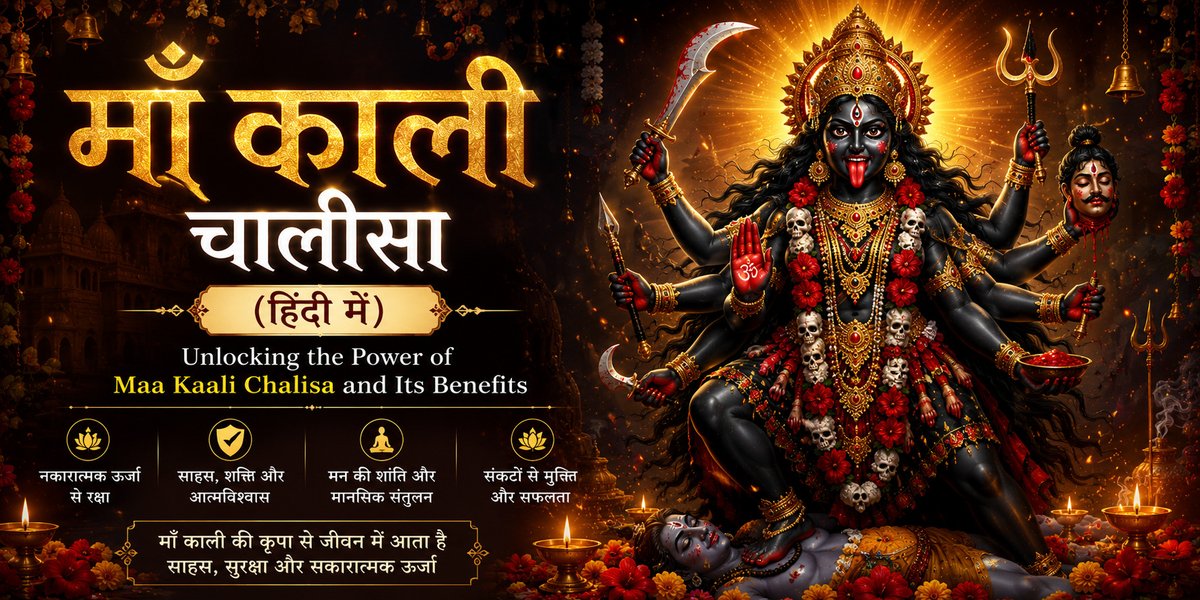
Kaal Bhairav - time's fierce guardian and Varanasi's presiding lord
Kaal Bhairav holds a singular position in the Shaiva cosmos as the fierce manifestation of Shiva appointed as the Kotwal - the supreme guardian - of Kashi (Varanasi). The Kaal Bhairav Chalisa draws devotees into a rasa of both reverential awe and intimate belonging: Bhairav is the lord who grants passage through time and who removes the deep fear of death and its attendant anxieties. This hymn is most fervently recited on Kalashtami, which falls on the Krishna Ashtami of each lunar month, and is regarded as especially potent during the Kalashtami of Margashirsha. Tantric and Shaiva practitioners often incorporate it into evening sadhana, particularly on Sundays and the eighth lunar day, believing it steadies the mind against the pull of fear and materialism.
The distinctive character of this Chalisa lies in its frank engagement with Bhairav's association with time, night, and the liminal spaces that most devotional hymns quietly avoid. Rather than softening the deity's fierce aspect, the composition asks the devotee to look directly at those dimensions of existence - impermanence, uncertainty, the unknown - and find in the Lord's grace a reason not to flinch. In the Jyotish tradition, Kaal Bhairav is regarded as a powerful presiding deity for propitiation when Saturn or Rahu create severe obstacles in the chart. The warm insight at the heart of this hymn is that time itself, when worshipped rather than feared, becomes an ally rather than an adversary.