Bho Shambho Shiva Shambho Swayambho: Meaning & Significance of the Shiva Kriti
“Bho Shambho Shiva Shambho Swayambho” is an address to Lord Shiva as Swayambhu, the self-born, and Shambhu, the auspicious one. It is the refrain (pallavi) of the composition; the anupallavi continues “Gangadhara Shankara Karunakara…”, saluting Shiva as the bearer of the Ganga and the compassionate one.
About “Bho Shambho Shiva Shambho Swayambho”
“Bho Shambho Shiva Shambho Swayambho” is a modern Carnatic devotional composition (kriti) by Swami Dayananda Saraswati (1930–2015), the renowned teacher of Vedanta. Because it is the work of a named 20th-century author, the full lyrics are under the composer’s rights and are not reproduced here. Below we describe the song, its meaning and significance. To learn the complete lyrics, please refer to the Arsha Vidya/Chinmaya devotional songbooks or other authorised sources.
The composition opens with the refrain (pallavi) “Bho Shambho Shiva Shambho Swayambho” - an address to Lord Shiva as the self-born (Swayambhu), the auspicious one (Shambhu). The anupallavi continues “Gangadhara Shankara Karunakara…” - saluting Shiva as the bearer of the Ganga, the compassionate Shankara who ferries devotees across the ocean of worldly existence (bhava-sagara).
Meaning
The song addresses Shiva by his most beloved epithets: Shambhu (the source of joy and auspiciousness), Swayambhu (the self-existent, uncaused Absolute), Gangadhara (who holds the celestial Ganga in his matted locks), Shankara (the doer of good), and Karunakara (the mine of compassion). It prays to him to carry the singer across the ocean of samsara (birth and death). The deeper verses point to Shiva as the formless, attributeless Absolute (nirguna parabrahma) hidden within the cave of the heart - infinite, blissful and ever free.
About this Composition
Swami Dayananda Saraswati was one of the foremost modern teachers of Advaita Vedanta and the founder of the Arsha Vidya Gurukulam. This kriti, set in Raga Revati and Adi Tala, is among the most widely sung Shiva bhajans in the Carnatic and Vedanta-school traditions. While it draws entirely on classical Shaiva imagery and Vedantic vision, it is a 20th-century creative composition rather than an ancient Puranic stotra, which is why this article respects the composer’s authorship and does not print the full text.
Significance & Spiritual Benefits
The song is treasured for its meditative, surrendering mood. Singing it is said to dissolve agitation, kindle devotion (bhakti) to Shiva, and turn the mind toward the formless Absolute it describes. Because its refrain repeats Shiva’s names of compassion and self-existence, it is used as a vehicle for both heartfelt prayer and contemplative reflection on the nature of the Self (Atman) as identical with Shiva.
Astrological Relevance
As a Shiva composition, it carries the remedial associations of Shiva worship. Shiva is the deity invoked to pacify an afflicted Saturn (Shani) - lord of discipline and karma - and the karmic nodes Rahu and Ketu; Ketu in particular is linked to Shiva and to liberation (moksha), which this song’s Vedantic theme directly supports. The invocation of the Ganga (“Gangadhara”) also gently soothes the Moon (Chandra) and the restless mind. Singing it is recommended on Mondays and during Shani-related periods for inner steadiness.
How to Chant (Vidhi)
Sit before an image or lingam of Shiva, light a lamp, and sing the composition with a calm, devotional rhythm - it is meant to be sung musically rather than merely recited. Many use it as a bhajan in group satsang or as a personal evening prayer. Conclude by resting the mind quietly on the formless presence the song points to.
Best Day & Time
Mondays and Pradosh days, Maha Shivaratri, and the Pradosh hour at dusk are especially suited to Shiva bhajans. The early morning and evening are ideal for daily singing.
Frequently Asked Questions
Why are the full lyrics not printed here?
Unlike ancient public-domain stotras, this is a modern composition by a named 20th-century author, Swami Dayananda Saraswati. Out of respect for the composer’s authorship, we describe its meaning and significance rather than reproduce the complete lyrics. Authorised songbooks and recordings provide the full text.
What does “Swayambho” mean?
Swayambhu means “the self-born” or “self-existent” - that which has no cause beyond itself. Applied to Shiva it points to the Absolute (Brahman) that exists eternally and independently, the very theme of this Vedantic song.
What raga is it set in?
The kriti is set in Raga Revati and Adi Tala in the Carnatic tradition, which gives it its characteristic serene, contemplative mood.
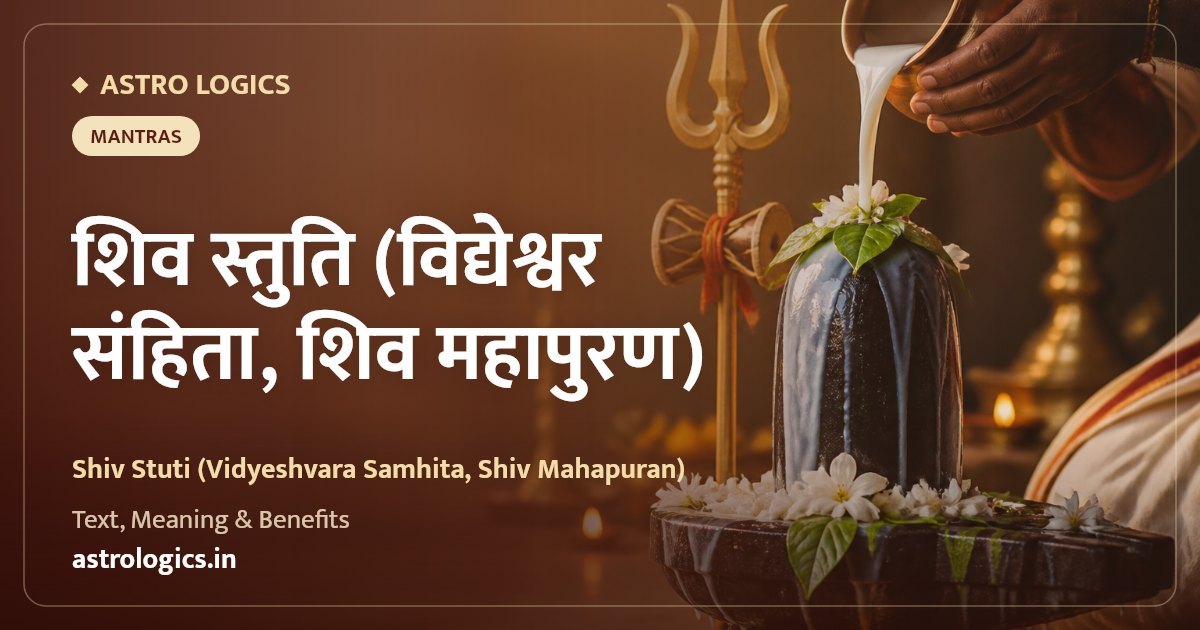
A modern voice singing an ancient truth across the ocean of samsara
Bho Shambho Shiva Shambho Swayambho is a composition by Swami Dayananda Saraswati, the distinguished twentieth-century Vedanta teacher, and it exemplifies something important about the living tradition of Indian devotional music: it has never stopped composing. The kriti salutes Shiva as Swayambhu - the self-born, the uncaused cause - and as Gangadhara, the bearer of the sacred river, images that place the very newest compositions in direct conversation with the most ancient Puranic streams. The metaphor of Shiva as the one who ferries devotees across the ocean of samsara - the endless cycle of becoming - is among the most enduring in the tradition and here it arrives in a contemporary musical idiom that has made this piece genuinely beloved in Carnatic sabhas and temple halls alike.
Because this is a modern composition with full copyright, the lyrics are not reproduced here - but its meaning and devotional resonance are freely shareable. The Vedantic dimension is strong: swayambhu points not just to Shiva's mythological self-origination but to the philosophical understanding that ultimate reality is its own ground, dependent on nothing outside itself. Devotees find in this kriti a mood of joyful surrender - not the grief-stricken surrender of someone overwhelmed by life, but the exuberant surrender of one who has glimpsed the ocean and trusts the ferryman completely. In the Jyotish tradition, such prayers to Shiva as the cosmic dissolver are associated with Saturn and with the graceful completion of cycles - letting what must end, end, so that what is truly essential can remain.