Exploring Rahu Mantra: Your Complete Guide
The prescribed day for Rahu mantra japa is traditionally Saturday, with the japa ideally performed after sunset, when the energy of detachment naturally deepens.
Rahu Mantra (Sanskrit / Hindi)
ॐ भ्रां भ्रीं भ्रौं सः राहवे नमः ॥
ॐ रां राहवे नमः ॥
Rahu Beej Mantra · Rahu Vedic Mantra.
Introduction to Rahu Mantra
Have you ever wondered about the mysterious forces that shape our lives? In Hindu astrology, Rahu is one such celestial entity that’s believed to have a significant impact on our destinies. This shadowy planet, often associated with illusions and desires, has captivated the minds of spiritual seekers and astrology enthusiasts for centuries. At the heart of harnessing Rahu’s energy lies the powerful Rahu mantra. But what exactly is this mantra, and how can it influence our lives? In this comprehensive guide, we’ll dive deep into the world of Rahu mantras, answering the most frequently asked questions and shedding light on this fascinating aspect of Vedic astrology.
What is Rahu and Why is it Important?
Understanding Rahu in Vedic Astrology
Before we delve into the specifics of Rahu mantras, it’s crucial to understand what Rahu represents in Vedic astrology. Rahu is not a physical planet but rather a shadow planet or a mathematical point. It’s often referred to as the north node of the Moon and is associated with the dragon’s head in ancient mythology.
In astrological terms, Rahu represents:
- Ambition and desire
- Illusions and confusion
- Sudden changes and unexpected events
- Material pursuits and worldly success
The Impact of Rahu on Our Lives
Rahu’s placement in a birth chart can significantly influence various aspects of an individual’s life. It’s believed to create both challenges and opportunities, often pushing us out of our comfort zones and towards personal growth. Some areas where Rahu’s influence is particularly felt include:
- Career and professional life
- Spiritual development
- Personal relationships
- Material wealth and possessions
Understanding Rahu’s role in your astrological chart can provide valuable insights into your life’s path and the challenges you might face along the way.
What is a Rahu Mantra?
Defining Mantras in Vedic Tradition
Mantras are sacred sounds, words, or phrases that are believed to have spiritual and psychological benefits when chanted or meditated upon. In the Vedic tradition, mantras are considered powerful tools for connecting with divine energies and bringing about positive changes in one’s life.
The Significance of Rahu Mantras
Rahu mantras are specific chants dedicated to appeasing and harnessing the energy of Rahu. These mantras are designed to:
- Mitigate the negative effects of Rahu in one’s birth chart
- Channel Rahu’s energy towards positive outcomes
- Enhance spiritual growth and self-awareness
- Overcome obstacles and challenges associated with Rahu’s influence
Common Rahu Mantras and Their Meanings
The Most Popular Rahu Mantra
One of the most widely used Rahu mantras is:
“Om Rahave Namah”
This simple yet powerful mantra translates to “Om, I bow to Rahu.” It’s a straightforward invocation of Rahu’s energy and is often recommended for daily practice.
Other Important Rahu Mantras
There are several other Rahu mantras, each with its unique benefits and applications:
- “Om Rang Rahuve Namah”
- This mantra adds the seed sound “Rang” to intensify the connection with Rahu’s energy.
- “Om Bhram Bhreem Bhroum Sah Rahave Namah”
- A more complex mantra that incorporates multiple seed sounds to activate different aspects of Rahu’s influence.
- “Om Namo Bhagavate Vāsudevāya Digambarāya Rāhu-rūpāya Swāhā”
- This longer mantra invokes Rahu as a form of Lord Vishnu and is believed to be particularly potent.
How to Chant Rahu Mantras Effectively
Preparation and Mindset
Before beginning your mantra practice, it’s important to create a suitable environment and mindset:
- Choose a quiet, clean space for your practice
- Light a candle or incense if desired
- Sit comfortably in a cross-legged position or on a chair
- Take a few deep breaths to center yourself
Proper Pronunciation and Rhythm
To maximize the benefits of Rahu mantras, pay attention to:
- Correct pronunciation of each syllable
- Maintaining a steady rhythm while chanting
- Focusing your mind on the meaning and energy of the mantra
Recommended Chanting Duration and Frequency
For best results, consider the following guidelines:
- Start with 5-10 minutes of daily chanting
- Gradually increase to 15-30 minutes as you become more comfortable
- Consistency is key - try to practice at the same time each day
When is the Best Time to Chant Rahu Mantras?
Astrological Considerations
Certain times are considered more auspicious for Rahu mantra chanting:
- Saturday evenings, especially during twilight hours
- During Rahu Kaal, a specific 90-minute period each day
- On new moon days (Amavasya)
Personal Factors to Consider
While astrological timing can be beneficial, personal factors are equally important:
- Choose a time when you can practice undisturbed
- Align your practice with your natural energy levels
- Consider incorporating mantra chanting into your existing spiritual routine
What Are the Benefits of Chanting Rahu Mantras?
Spiritual and Psychological Benefits
Regular practice of Rahu mantras is believed to offer numerous benefits:
- Increased self-awareness and intuition
- Enhanced ability to navigate life’s challenges
- Greater clarity in decision-making
- Reduced anxiety and stress
Astrological Benefits
From an astrological perspective, Rahu mantra chanting may help:
- Mitigate the negative effects of Rahu in your birth chart
- Enhance the positive aspects of Rahu’s influence
- Balance karmic debts associated with Rahu
Personal Experiences and Testimonials
While scientific studies on mantra effects are limited, many practitioners report positive outcomes:
“After consistently chanting the Rahu mantra for three months, I noticed a significant improvement in my ability to focus and make decisions. It’s as if the fog of confusion lifted from my mind.” - Sarah, 34
“The Rahu mantra helped me navigate a difficult career transition. I felt more confident in taking risks and pursuing my true passions.” - Rahul, 42
Are There Any Precautions or Contraindications for Rahu Mantra Chanting?
Understanding Your Birth Chart
Before beginning a Rahu mantra practice, it’s advisable to:
- Consult with a qualified Vedic astrologer
- Understand Rahu’s placement and influence in your birth chart
- Ensure that Rahu mantra chanting is appropriate for your specific astrological configuration
Physical and Mental Preparation
To ensure a safe and beneficial practice:
- Start slowly and gradually increase the duration of your chanting
- Listen to your body and mind - if you feel overwhelmed, take a break
- Combine mantra chanting with other balancing practices like meditation or yoga
Potential Risks and Side Effects
While Rahu mantra chanting is generally considered safe, be aware of:
- Possible intensification of Rahu-related challenges in the short term
- Emotional or psychological upheavals as you work through karmic issues
- The need for guidance if you experience any unsettling effects
How Does Rahu Mantra Chanting Fit into a Broader Spiritual Practice?
Integrating Mantras with Other Techniques
Rahu mantra chanting can be a powerful standalone practice, but it can also be integrated with:
- Meditation and mindfulness practices
- Yoga and pranayama (breathing exercises)
- Study of Vedic texts and philosophy
Balancing Rahu Energy with Other Planetary Mantras
For a well-rounded astrological practice, consider:
- Chanting mantras for other planets that influence your chart
- Using complementary mantras to balance Rahu’s energy (e.g., Ketu mantras)
- Creating a personalized mantra routine based on your astrological needs
Common Misconceptions About Rahu Mantras
Debunking Myths and Superstitions
It’s important to approach Rahu mantras with a balanced perspective:
- Myth: Rahu mantras are only for those with “bad” Rahu placements
- Truth: Rahu mantras can benefit anyone, regardless of their chart
- Myth: Chanting Rahu mantras will instantly solve all your problems
- Truth: Mantras work subtly over time and require consistent practice
- Myth: You need special initiation to chant Rahu mantras
- Truth: While guidance is helpful, anyone can begin a mantra practice
Understanding the Limits and Potential of Mantra Practice
Be realistic about what Rahu mantras can and cannot do:
- Mantras are tools for self-transformation, not magical solutions
- The effectiveness of mantras depends on the sincerity and consistency of your practice
- Mantras work in conjunction with your own efforts and actions in the physical world
Resources for Further Learning About Rahu Mantras
Recommended Books and Websites
For those interested in deepening their understanding of Rahu mantras:
- “The Greatness of Saturn” by Robert Svoboda
- “Mantras: Words of Power” by Swami Sivananda
- Websites like AstroVed.com and Astrosage.com offer valuable resources on Vedic astrology and mantras
Finding a Qualified Teacher or Mentor
To guide your practice and provide personalized advice:
- Look for certified Vedic astrologers or mantra practitioners
- Consider online courses or workshops on Rahu mantras and Vedic astrology
- Join local spiritual communities or online forums to connect with experienced practitioners
For interesting astrology-related videos, subscribe to us on Youtube
Conclusion
Rahu mantras offer a fascinating gateway into the world of Vedic astrology and spiritual practice. By understanding the nature of Rahu, the power of mantras, and the nuances of this specific practice, you can harness this ancient wisdom to navigate life’s challenges and opportunities with greater clarity and purpose.
Remember, the journey of mantra chanting is deeply personal and transformative. Whether you’re looking to mitigate Rahu’s challenging influences in your life or simply seeking a tool for spiritual growth, Rahu mantras can be a powerful ally on your path.
As you embark on or deepen your Rahu mantra practice, approach it with an open mind, patience, and consistency. Allow the vibrations of these sacred sounds to work their subtle magic in your life, guiding you towards greater self-awareness and alignment with cosmic energies.
May your exploration of Rahu mantras bring you clarity, strength, and spiritual growth on your unique life journey.
Anyone running a Rahu period should note the solar eclipse of 12 August 2026, a nodal event - see the rashi-wise effects and the grahan timing and sutak rules.

Approaching Rahu's shadow - how mantra transforms apprehension into understanding
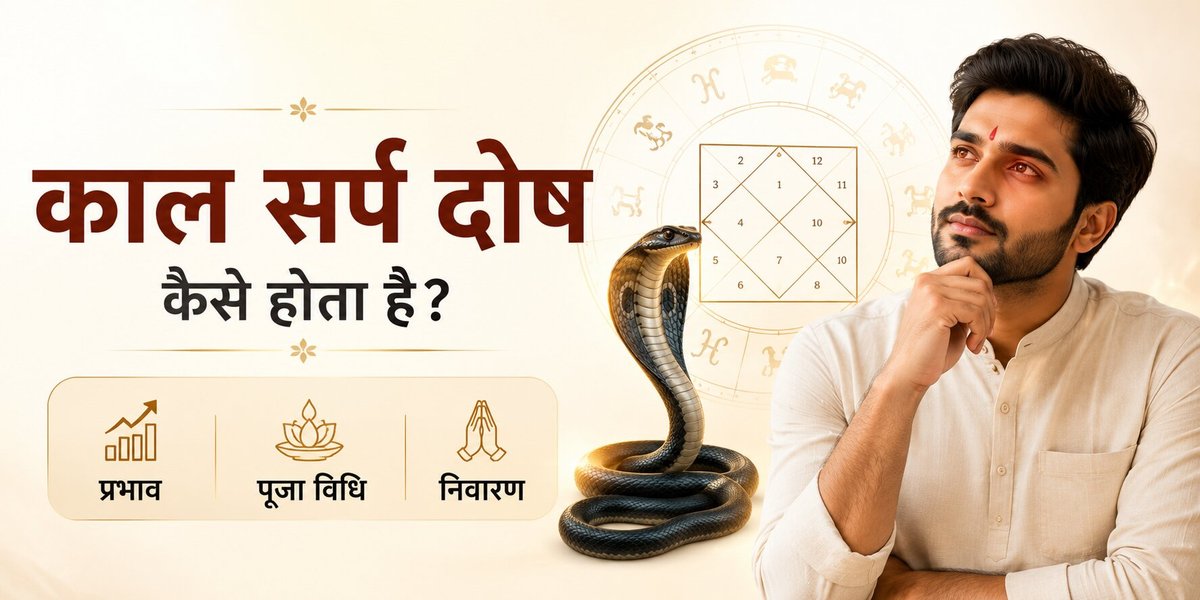
Rahu, the ascending lunar node, occupies a singular place in Vedic cosmology: neither a physical planet nor a deity in the conventional sense, but a point of immense karmic force associated with worldly ambition, illusion, sudden change, and the shadow dimension of experience. The mantras dedicated to Rahu are not ordinarily songs of love or praise in the bhakti mode; they are more precisely calibrated instruments of acknowledgement, offering respect to an energy that can amplify desire, scatter focus, or bring unforeseen upheaval when its influence is strong in a birth chart or active in a dasha period. In the Jyotish tradition, Rahu Mahadasha and Rahu transits over sensitive natal points are times when practitioners are especially encouraged to take up these chants.
What distinguishes Rahu mantra sadhana from general puja is its spirit of conscious engagement rather than petition: devotees believe that by naming Rahu's nature clearly and approaching it with humility, they cultivate an inner stability that the shadow planet cannot easily unsettle. The prescribed day for Rahu chanting is traditionally Saturday, with japa ideally performed after sunset when the energy of detachment naturally deepens. Regular practice is said to reduce the experience of confusion, help distinguish genuine intuition from illusion, and gradually transform the restless, searching quality of Rahu energy into perceptive insight - the tradition's teaching that Rahu's tests, met consciously, become among the most transformative chapters of a spiritual life.