Karpura Gauram Karuna Avataram: Sanskrit Text, Meaning & Benefits
Karpura Gauram Karuna Avataram - Sanskrit Text
कर्पूरगौरं करुणावतारं
संसारसारं भुजगेन्द्रहारम् ।
सदा वसन्तं हृदयारविन्दे
भवं भवानीसहितं नमामि ॥
Transliteration (Roman/IAST)
karpūra-gauraṃ karuṇāvatāraṃ
saṃsāra-sāraṃ bhujagendra-hāram |
sadā vasantaṃ hṛdayāravinde
bhavaṃ bhavānī-sahitaṃ namāmi ||
Meaning
"I bow to Bhava (Shiva), together with Bhavani (Parvati); he who is white as camphor, the very incarnation of compassion, the essence of worldly existence, who wears the king of serpents as a garland, and who ever dwells in the lotus of the heart." Each phrase is a meditation: karpura-gauram, fair and luminous as camphor; karunavataram, compassion embodied; samsara-saram, the innermost essence and support of the whole cycle of existence; bhujagendra-haram, garlanded by the lord of serpents; and sada vasantam hridayaravinde, ever residing in the lotus of the devotee's heart. The worshipper salutes Shiva not alone but united with his consort Bhavani.
About this Mantra
"Karpura Gauram" is one of the most beloved and widely recited Shiva shlokas in all of Hindu worship. A single, perfectly balanced verse, it is traditionally chanted at the time of aarti - when camphor is lit and waved before the deity - and at the conclusion of Shiva puja, its opening image of camphor-white radiance mirroring the burning camphor flame. The verse is found in the Shaiva devotional tradition and is recited across temples and homes throughout India. Its brevity, beauty and depth have made it a universal prayer to Shiva, equally suited to formal ritual and personal meditation.
Significance & Spiritual Benefits
The verse condenses the whole devotional relationship with Shiva into four lines. By describing Shiva as "camphor-white" it evokes purity and the dissolving of the ego - just as camphor burns away completely leaving no residue, so the devotee's sense of separateness is meant to dissolve in the light of the Lord. Calling him "the incarnation of compassion" and "the essence of existence" reminds the worshipper that Shiva is both supremely merciful and the very ground of being. The prayer that he "ever dwell in the lotus of my heart" makes the verse an invocation of Shiva's permanent presence within. Chanting it at aarti is held to complete and perfect the worship; recited regularly it brings purity of mind, devotion, peace and the felt nearness of Shiva and Shakti together.
Astrological Relevance
As a concise and universally chanted Shiva prayer, "Karpura Gauram" is an accessible remedy for every horoscope. Shiva is the presiding deity for Shani (Saturn), Rahu and Ketu, so the verse is recited during Sade Sati and the karmic dashas for protection and peace. The image of the camphor flame links it to the Sun and Ketu (fire and dissolution), while the prayer for Shiva to dwell in the "lotus of the heart" supports an afflicted Moon (Chandra), the karaka of the mind and emotional well-being. Because the verse worships Shiva together with Bhavani (Shakti), it is a balanced invocation of the cosmic masculine and feminine, favourable for harmony, marriage and inner equilibrium in the chart. It is recited daily and especially at the lamp-offering of Shiva worship.
How to Chant (Vidhi)
This verse is most traditionally chanted during the camphor aarti at the close of Shiva puja: light a piece of camphor, wave it before the Shiva lingam or image, and recite the shloka. It may also be chanted as a daily prayer or meditation - sit facing east or north, light a lamp, offer bilva leaves, and recite the verse with devotion, visualising the camphor-white Shiva with Bhavani seated in the lotus of your heart. Conclude with "Om Namah Shivaya" and a moment of silence.
Best Day & Time
It may be recited at any time, but it is especially associated with the aarti at dawn and dusk. Monday (Shiva's day), the Pradosha twilight, Maha Shivaratri and the month of Shravana are the most auspicious occasions for its recitation.
Frequently Asked Questions
When is "Karpura Gauram" usually chanted?
It is most often chanted during the camphor aarti at the conclusion of Shiva puja, when a camphor flame is waved before the deity. Its opening image of camphor-white radiance beautifully matches the burning camphor. It is also recited as a daily prayer and meditation.
What does "Karpura Gauram" mean?
It means "white (fair) as camphor." The verse describes Shiva as luminous as camphor, the embodiment of compassion, the essence of existence, garlanded by the serpent-king, and ever dwelling in the heart - and bows to him together with his consort Bhavani.
Why does the verse mention camphor?
Camphor burns completely without leaving any residue, symbolising the dissolving of the ego in the light of the divine. The image also mirrors the camphor flame of the aarti, making the verse the natural prayer for that moment of worship.
The grace of camphor and the heart of Shiva puja
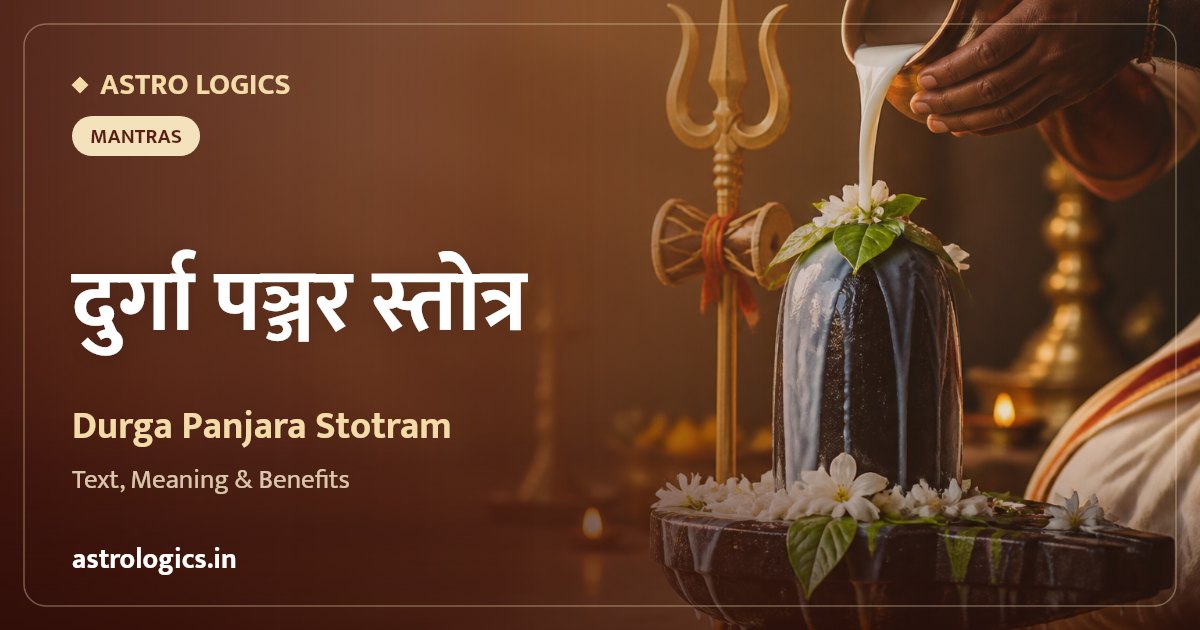
Few devotional verses carry the concentrated power of Karpura Gauram Karuna Avataram. Recited at the culmination of Shiva puja during the waving of the camphor flame (karpur aarti), this brief shloka distils the entire mystery of Shiva into a handful of lines - his purity white as camphor, his boundless compassion, his nature as pure existence, and his tender union with Bhavani. The image of camphor is itself deeply symbolic: like camphor, Shiva burns completely, leaving no residue, an emblem of the ego dissolving in the fire of devotion. The verse is sung in temples across India daily at the close of puja, and its simple, open melody makes it one of the first shlokas children learn in devout households.
The shloka holds an especially cherished place in the liturgy of Shiva shrines, chanted from the great Jyotirlingas to the smallest neighbourhood Shiva temple, uniting worshippers of every sampradaya in a shared moment of surrender. The vision of Shiva and Bhavani together in the lotus of the heart points to the Shaiva understanding that liberation is not an escape from relationship but its deepest fulfilment. Devotees believe that holding this image inwardly while the camphor burns purifies the subtle body and settles the mind in peaceful awareness - a simple but profound gateway into contemplative Shiva bhakti.