Maiya Mori Main Nahin Makhan Khayo – Surdas's Playful Krishna Bhajan
Maiya Mori Main Nahin Makhan Khayo Lyrics (हिंदी में)
मैया मोरी मैं नहिं माखन खायो।
भोर भयो गैयन के पाछे, मधुवन मोहिं पठायो।
चार पहर बंसीबट भटक्यो, साँझ परे घर आयो।
मैं बालक बहिंयन को छोटो, छींको किहि बिधि पायो।
ग्वाल बाल सब बैर परे हैं, बरबस मुख लपटायो।
तू जननी मन की अति भोरी, इनके कहे पतिआयो।
जिय तेरे कछु भेद उपजि है, जानि परायो जायो।
यह लै अपनी लकुटि कमरिया, बहुतहिं नाच नचायो।
सूरदास तब बिहँसि जसोदा, लै उर कंठ लगायो।
Maiya Mori Main Nahin Makhan Khayo – Transliteration (English)
Maiya mori main nahin makhan khayo.
Bhor bhayo gaiyan ke paachhe, Madhuvan mohin pathayo.
Chaar pahar bansibat bhatak yo, saanjh pare ghar aayo.
Main balak bahinyaan ko chhoto, chheenko kihi bidhi paayo.
Gwal baal sab bair pare hain, barbas mukh laptayo.
Tu janani mann ki ati bhori, inke kahe patiaayo.
Jiy tere kachhu bhed upaji hai, jaani paraayo jaayo.
Yeh lai apni lakut kamariya, bahutahin naach nachaayo.
Surdas tab bihans Jasoda, lai ur kanth lagaayo.
Meaning & Significance
In this charming pada, the child Krishna protests to Mother Yashoda that he could not possibly have stolen the butter: he was out with the cows at dawn, wandered near Bansibat (the forest of Krishna's flute) all day, and only returned home at dusk. How could a child with such short arms reach the hanging basket? The other cowherds are his enemies who smeared butter on his face to implicate him. The final verse reveals the divine joke - Yashoda melts with laughter and draws her beloved child to her heart. The poem captures the theological insight that the Supreme Being willingly submits to a mother's love, making himself small so that love may become complete.
About the Composer
Surdas (c. 1478–1583 CE) was a blind saint-poet of the Pushtimarg tradition, a devoted disciple of Vallabhacharya. He composed the Sursagar, a vast collection of padas centred on the childhood and youth of Krishna, in Braja Bhasha. His verses on the baal-lila (child-Krishna's divine play) are regarded as unsurpassable for their tender intimacy and poetic beauty. Surdas is counted among the Ashta-chhap, the eight great poet-saints who sang in the precincts of Shrinathji's temple at Nathdwara and Vrindavan.
About Krishna
As Bal Gopal - the divine child - Krishna enchants his devotees through innocent mischief, laughter, and the deliberate helplessness of deity taking human form. The butter-stealing episodes (maakhan-chori) in the Bhagavata Purana and Surdas's Sursagar are not merely charming stories; they represent the soul's encounter with divine grace that slips past the mind's defences. The hanging basket (chheenko) out of a child's reach symbolises the apparent inaccessibility of the divine, which nonetheless yields to pure love.
Spiritual Significance & Benefits
- Singing this bhajan with attention to its playful imagery awakens the vatsalya-bhava - the devotional mood of parental love for the divine child.
- The laughter embedded in the poem is itself spiritually purifying; the Bhakti tradition holds that joy in God's presence dispels sorrow and negativity.
- Meditating on Yashoda's unconditional acceptance of Krishna at the poem's end teaches the seeker to embrace the divine in all its forms, including the unexpected and the playful.
- The bhajan is widely chanted at Janmashtami, invoking the presence of Bal Gopal and creating an atmosphere of festive devotion.
- Children's participation in singing this bhajan is encouraged, as it is one of the most accessible and delightful introductions to Krishna-katha.
When & How It Is Sung
This pada is a staple of Janmashtami midnight celebrations, when the birth of child Krishna is re-enacted with joy and festivity. It is also sung in morning bhajan sessions and during the Annakut festival at Vaishnava temples. Musically, it is performed in a lighter, playful tempo suited to its childlike mood, often in Raga Khamaj or Raga Pilu. Classical Odissi and Bharatanatyam dancers have also set this text to movement, making it one of the most performed pieces in Indian devotional classical dance.
Frequently Asked Questions
Is this pada from the Sursagar?
Yes, this verse belongs to the Sursagar, the monumental collection attributed to Surdas, which runs to thousands of padas in its extended manuscript tradition. The baal-lila section of the Sursagar, from which this poem comes, is among the most celebrated devotional poetry in Hindi literature and forms a core text of the Vallabha Pushtimarg tradition.
Why does Krishna threaten to leave in this bhajan?
When Krishna declares he will return his staff and blanket and leave, he is staging a child's petulant protest at being doubted - and also, theologically, hinting that the divine presence withdraws when devotion is corrupted by suspicion or hearsay. Yashoda's spontaneous laughter and embrace represent the proper response: trusting the heart's direct experience of the divine over the accusations of others.
What is Bansibat mentioned in the bhajan?
Bansibat (also written Vanshivat) is a sacred grove on the banks of the Yamuna river near Vrindavan, traditionally associated with Krishna's midnight Rasa-lila dances with the gopis. Surdas uses it to place the child's wanderings in a familiar sacred geography, linking the innocent baal-lila to the deeper mystical dimensions of Krishna's life in Vraja.
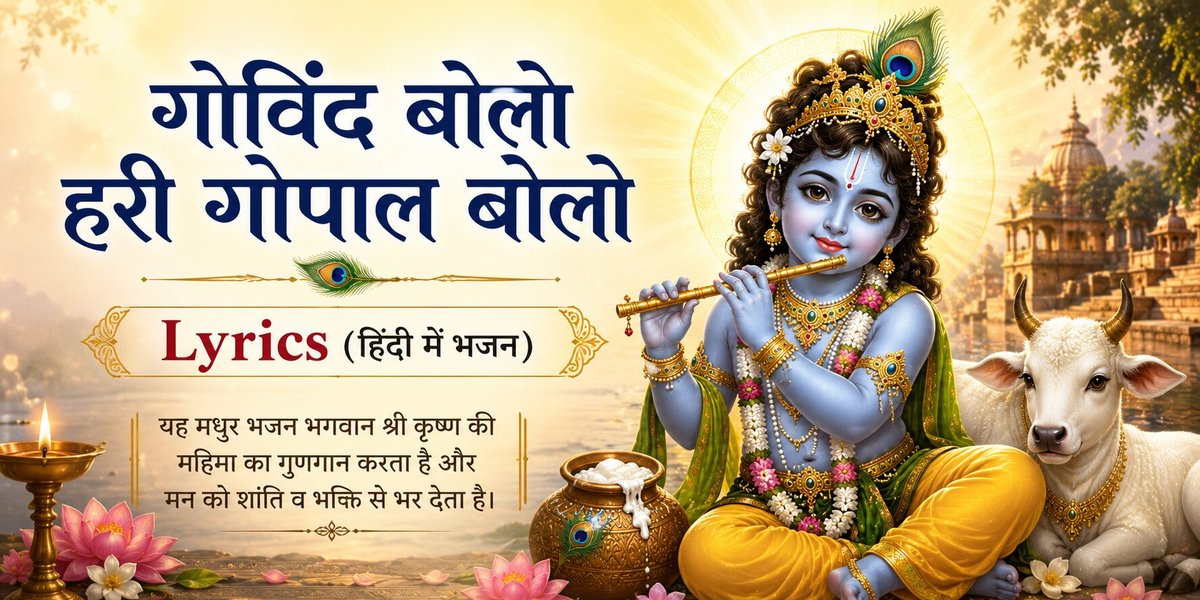
Surdas and the art of capturing Krishna's innocent mischief
Among the countless compositions celebrating the childhood of Lord Krishna, this bhajan by the blind saint-poet Surdas occupies a place of special delight. Surdas, who composed in Braj Bhasha and whose devotional output forms the celebrated Sursagar, had an extraordinary gift for entering the inner world of Bal Krishna. This bhajan exemplifies the vatsalya rasa - the mood of parental tenderness - as it renders Krishna's denials with an impish logic that every listener recognises as both completely unconvincing and utterly adorable. The genius of Surdas lies in making divinity approachable: here is the lord of the cosmos, caught red-handed, deflecting blame with a child's innocent excuses.
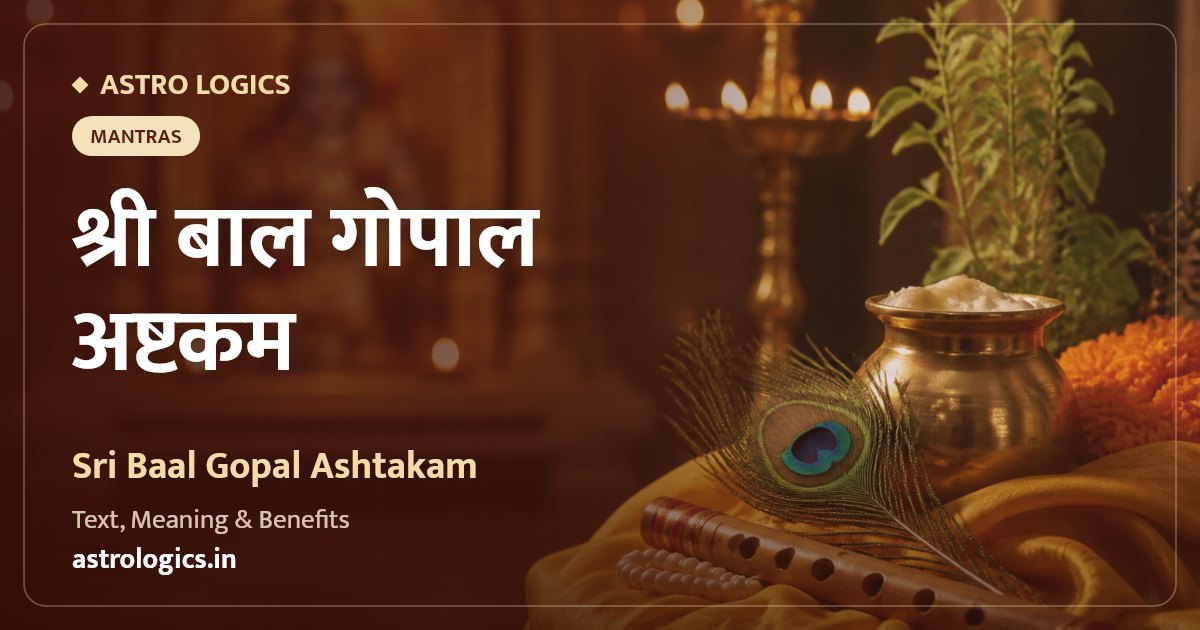
This bhajan is a cherished part of Janmashtami celebrations, where its playful mood captures the joy of Krishna's early life in Gokul and Vrindavan. It is also sung during Bal Gopal pooja, when devotees tend to a small idol of infant Krishna as a beloved child of the household. Beyond festivals, it is a staple of Haveli Sangeet and temple music in the Vaishnava tradition, preserving a linguistic heritage that Surdas helped immortalise. Devotees believe that singing of Krishna's leelas with heartfelt affection is itself a form of surrender - a reminder that the divine chooses to be loved not only as the absolute but as the endearing child of every devotee's heart.