Mhane Chakar Rakho Ji – Meera Bai Bhajan Lyrics, Meaning & Significance
Mhane Chakar Rakho Ji Lyrics (हिंदी में)
म्हाने चाकर राखो जी, गिरधारी लाल।
म्हाने चाकर राखो जी॥
चाकर रहसूँ बाग लगासूँ, नित उठ दर्शन पासूँ।
वृन्दावन की कुंज गलिन में, तेरी लीला गासूँ॥
म्हाने चाकर राखो जी॥
चाकरी में दर्शन पाऊँ, सुमिरन पाऊँ खरची।
भाव भगति जागीरी पाऊँ, तीनों बातां सरसी॥
म्हाने चाकर राखो जी॥
मोर मुकुट पीतांबर सोहे, गल बैजंती माला।
वृंदावन में धेनु चरावे, मोहन मुरली वाला॥
म्हाने चाकर राखो जी॥
हरे-हरे नित बाग लगाऊँ, बिच-बिच राखूँ क्यारी।
साँवरिया के दर्शन पाऊँ, पहर कुसुम्भी सारी॥
म्हाने चाकर राखो जी॥
मीरा के प्रभु गिरधर नागर, सदा रहो जी धारा।
आधी रात प्रभु दर्शन दीन्हे, प्रेम नदी के तीरा॥
म्हाने चाकर राखो जी॥
Mhane Chakar Rakho Ji – Transliteration (English)
Mhāne chākar rākho jī, Giradahārī Lāl.
Mhāne chākar rākho jī.
Chākar rahasūṃ bāg lagāsūṃ, nit uṭh darshan pāsūṃ.
Vṛndāvan kī kuṃj galin mein, terī līlā gāsūṃ.
Mhāne chākar rākho jī.
Chākarī meiṃ darshan pāūṃ, sumiran pāūṃ kharchī.
Bhāv bhagati jāgīrī pāūṃ, tīnoṃ bātāṃ sarsī.
Mhāne chākar rākho jī.
Mor mukaṭ pītāmbar sohe, gal baijantī mālā.
Vṛndāvan meiṃ dhenu charāve, Mohan muralī vālā.
Mhāne chākar rākho jī.
Hare-hare nit bāg lagāūṃ, bich-bich rākhūṃ kyārī.
Sāṃvariyā ke darshan pāūṃ, pahar kusumbhī sārī.
Mhāne chākar rākho jī.
Mīrā ke prabhu Giradhar nāgar, sadā raho jī dhārā.
Ādhī rāt prabhu darshan dīnhe, prem nadī ke tīrā.
Mhāne chākar rākho jī.
Meaning & Significance
In this bhajan, Meera Bai addresses Girdhari Lal - Krishna the Giridhari, the lifter of Mount Govardhan - with one of the most intimate requests in all of devotional poetry: accept me as your servant. The word chākar (servant, attendant) is Meera's chosen identity: not queen, not consort, but the humblest of household servants, someone whose entire day is structured around proximity to the master. In the first verse she specifies her duties - tending gardens in Vrindavan, rising early to take darshan, singing Krishna's leelā in the forest groves. The third verse reveals her true motivation: a servant's wage is merely subsistence, but what Meera wants from her service is darshan (vision of God), sumiran (constant remembrance) and bhāv bhagati (emotional devotion) - an estate (jāgīr) of spiritual wealth. The fourth verse offers a vivid portrait of Krishna: peacock crown, yellow silk garments, garland of wild forest flowers, grazing cows in Vrindavan, the enchanting flute-player. The closing verse reaches its climax: Meera's lord appeared to her at midnight by the banks of the river of love - a visionary experience that confirms the petition has been granted.
About the Composer
Meera Bai (approximately 1498–1547 CE) was a Rajput princess, born in Merta in the Marwar region of Rajasthan, who became one of the most celebrated poet-saints of the Bhakti movement. Married into the royal family of Chittorgarh, she refused to accept any relationship other than her spiritual marriage to Krishna, which she had pledged since childhood. Her bhajans, composed in Braj Bhasha and Rajasthani, are remarkable for their complete absence of social pretension: princess and servant, court and forest, all collapse in the intensity of her longing. She is said to have eventually made her way to Vrindavan and then to Dwarka, where she spent her final years in continual devotion. Her poetry - which includes hundreds of padas (verses) - remains among the most widely sung devotional literature in North India.
About Krishna
Lord Krishna is the eighth avatāra of Vishnu and one of the most beloved deities in the Hindu tradition. In Meera's devotion, Krishna is experienced primarily through three forms: Girdhari (the one who lifted Govardhan Hill to protect the villagers of Vrindavan from Indra's wrath), Mohan (the enchanter whose flute draws all of creation toward him), and Sāṃvariyā (the dark-complexioned beloved). The Vrindavan in which Meera imagines herself serving is not only a geographical location but a state of consciousness - the inner garden where the devotee's entire being is turned toward the divine. For Meera, as for the wider Vaishnava tradition, Krishna is simultaneously the cosmic lord and the most intimate companion of the soul.
Spiritual Significance & Benefits
- Singing this bhajan cultivates dāsya bhakti - the path of devotion through the emotion of service and humility, in which the devotee lowers the ego completely before the divine.
- The garden imagery invites practitioners to approach spiritual practice as a tender cultivation rather than a transaction, nurturing devotion the way one waters plants each morning.
- Meera's request to be a chākar dissolves hierarchy and caste pride, teaching that closeness to God is measured not by social status but by the depth of one's desire for divine company.
- The midnight darshan in the closing verse holds out the promise that sustained devotion leads to direct spiritual experience - a real encounter, not merely a concept.
- Regular recitation in Braj Bhasha or its Rajasthani form keeps the practitioner connected to the living oral tradition of the female saint-poets of North India.
When & How It Is Sung
Mhane Chakar Rakho Ji is sung at Krishna bhajan sessions, Meera Mahotsav (celebrations of Meera Bai's life), and at temples in Vrindavan, Mathura, and Dwarka. It is often performed in the morning hours - in keeping with Meera's own image of rising early to seek darshan. The melody is typically lyrical and plaintive, rendered in Rāga Bhairavī or Rāga Piloo, conveying the sweet longing that defines Meera's entire oeuvre. Women's bhajan groups across Rajasthan and Gujarat have kept this song alive for centuries. It is particularly sung during Janmashtami preparations, when themes of Vrindavan and Krishna's daily life are most present in the devotional atmosphere.
Frequently Asked Questions
What does Girdhari Lal mean in this bhajan?
Girdhari Lal is a compound epithet of Krishna: Girdhari means "he who held up the mountain" (giri = mountain, dhārī = one who holds), referring to the episode in which Krishna lifted Mount Govardhan on his little finger to shelter the people of Vrindavan from Indra's storm. Lal is an affectionate term meaning "beloved child" or "dear one." Together, Girdhari Lal addresses Krishna simultaneously as the cosmic protector and as the deeply intimate beloved - the combination that makes Meera's petition both reverent and personal.
What language did Meera Bai compose in?
Meera Bai composed primarily in Braj Bhasha - the literary dialect of Hindi associated with the Mathura-Vrindavan region - often mixed with Rajasthani vocabulary from her home region of Marwar. Mhane Chakar Rakho Ji contains Rajasthani features such as mhāne (to me), rahasūṃ (I shall remain) and the characteristic -sūṃ verbal forms that give her poetry its distinctive regional voice. Her bhajans were oral compositions, transmitted through singing, and have been rendered by singers across the Hindi-speaking world.
Is there a connection between Meera Bai and Vrindavan?
According to hagiographical accounts, Meera Bai eventually left Rajasthan and came to Vrindavan to spend time in the company of saints and devotees. She is said to have met the Gaudiya Vaishnava saint Jiva Goswami - a disciple of Chaitanya Mahaprabhu - who was initially reluctant to grant her an audience because of his vow not to see women. When told that he had thereby denied that any woman could be a true devotee, he immediately relented, recognising Meera as a paramabhagavata. This episode underlines the way her life and poetry challenged social convention through the authority of lived devotion.
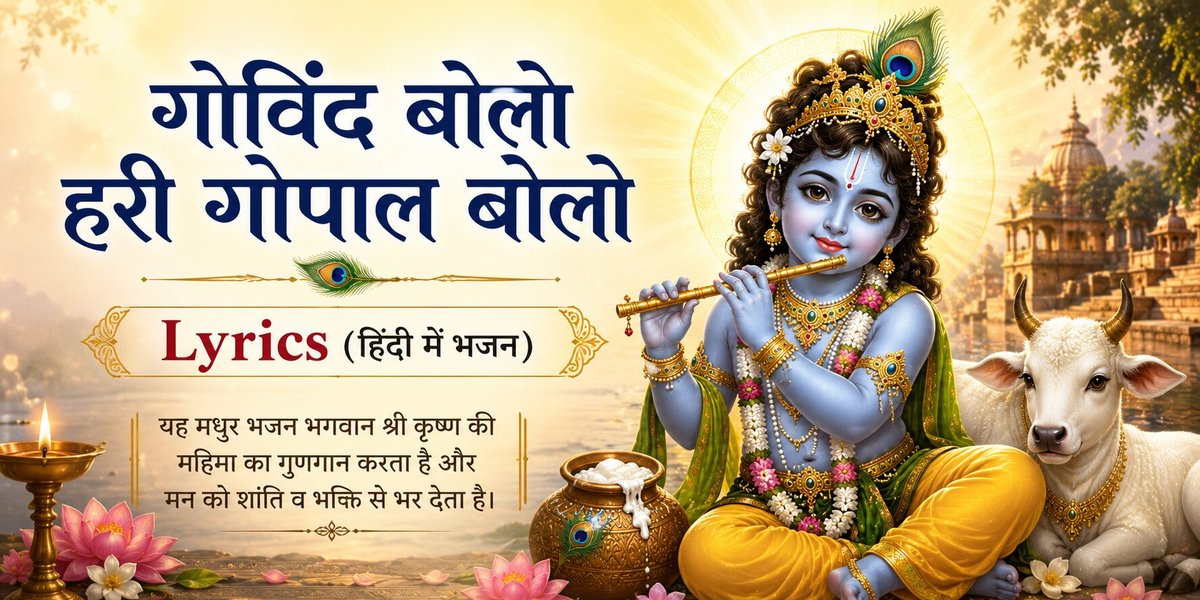
The servant-saint's longing: Meera's petition to be Krishna's chakar
Among Meera Bai's hundreds of padas, Mhane Chakar Rakho Ji stands apart for the startling humility of its request: the poet-saint does not ask for liberation, spiritual powers, or even union; she asks simply to be taken on as a servant, a chakar, in Krishna's household at Vrindavan. This reversal of expectation is deeply intentional. In the bhakti rasa known as dasya, love expressed through selfless service, the devotee finds the greatest intimacy not by claiming equality with the Lord but by joyfully accepting a position at his feet. Meera imagines tending the Vrindavan gardens, carrying water, catching a glimpse of Krishna as he passes - small acts that, in her vision, constitute the highest bliss.
This bhajan is sung across Rajasthan and Gujarat in a variety of folk-classical settings, and it remains one of the most emotionally accessible of Meera's compositions because its imagery is so immediate and domestic. Devotees are drawn to it especially during the Braj and Vrindavan pilgrimage season and on Ekadashi days dedicated to Krishna worship. What gives the poem its lasting power is its blend of longing (viraha) and quiet joy - Meera is at once aching for Krishna's presence and already radiant in the certainty that her petition will be heard. That paradox is the emotional heart of the entire Meerabai tradition.