Payo Ji Maine Ram Ratan Dhan Payo – Meera Bai's Bhajan of Divine Wealth
Payo Ji Maine Ram Ratan Dhan Payo Lyrics (हिंदी में)
पायो जी मैंने राम रतन धन पायो।
वस्तु अमोलक दी मेरे सतगुरु, कर किरपा अपनायो।
जनम जनम की पूँजी पाई, जग में सभी खोवायो।
खरचै न खूटै, चोर न लूटै, दिन दिन बढ़त सवायो।
सत की नाव खेवटिया सतगुरु, भवसागर तर आयो।
मीरा के प्रभु गिरधर नागर, हरख हरख जस गायो।
Payo Ji Maine Ram Ratan Dhan Payo – Transliteration (English)
Payo ji maine Ram ratan dhan payo.
Vastu amolak di mere satguru, kar kirpa apnayo.
Janam janam ki poonji pai, jag mein sabhi khovayo.
Kharchai na khootai, chor na lootai, din din badhat savayo.
Sat ki naav khevtiya satguru, bhavsagar tar aayo.
Meera ke prabhu Giridhar Nagar, harakh harakh jas gayo.
Meaning & Significance
In this bhajan, Meera Bai exults that she has received the priceless treasure of the divine name - Ram Ratan - from her Sadguru by his grace alone. Unlike material wealth that diminishes with spending, this divine jewel grows more luminous every day and cannot be stolen by any thief. The bhajan is a celebration of the guru-disciple relationship and the inexhaustible nature of spiritual wealth, culminating in Meera's joyful praise of her Lord Giridhar Nagar, the lifter of Govardhan Hill.
About the Composer
Meera Bai (c. 1498–1547 CE) was a Rajput princess of Merta, born into the royal clan of Medta in present-day Rajasthan. From childhood she was devoted to Lord Krishna, whom she regarded as her true bridegroom. Refusing the conventions of royal widowhood, she composed hundreds of bhajans in Braja Bhasha and Rajasthani, wandering as a sant-poet in the tradition of the Bhakti movement. Her verses are treasured as among the most heartfelt expressions of madhura-bhakti - the path of loving devotion - in all of Indian literature.
About Krishna
Krishna is the eighth avatar of Lord Vishnu and the central deity of the Vaishnava tradition. As Giridhar - the one who lifted Govardhan Hill on his little finger to protect the villagers of Vraja; he is celebrated for his boundless compassion. As Nagar - the wise, accomplished one; he guides seekers across the ocean of worldly existence. His name, chanted with devotion, is held in the Bhakti scriptures to be the highest wealth a soul can possess.
Spiritual Significance & Benefits
- Regular recitation of this bhajan is believed to cultivate a deep sense of gratitude toward the guru and the divine.
- The imagery of inexhaustible wealth inspires detachment from material possessions and attachment to spiritual practice.
- Singing or listening attentively is said to purify the heart and gradually loosen the grip of worldly anxieties.
- The bhajan reinforces the Vedic teaching that the divine name is the supreme refuge in the Kali Yuga.
- Meditating on its words fosters humility and a recognition that spiritual grace is received, not achieved by personal effort alone.
When & How It Is Sung
This bhajan is traditionally performed during morning and evening prayer sessions (bhajan sandhya), satsang gatherings, and festivals such as Janmashtami and Meerabai Jayanti. It is sung in Raga Pahadi or Raga Bhairavi with a gentle, flowing tempo that mirrors the mood of joyful surrender. Devotees often repeat the mukhda (refrain) multiple times as a form of japa, allowing the meaning to deepen with each repetition.
Frequently Asked Questions
Who composed Payo Ji Maine Ram Ratan Dhan Payo?
The bhajan was composed by the 16th-century Rajput saint-poet Meera Bai. It belongs to her Braja Bhasha padavali and has been preserved in oral tradition and manuscript collections for centuries. It was later popularised widely by vocalists such as D. V. Paluskar and Lata Mangeshkar.
What does Ram Ratan mean in this bhajan?
Ram Ratan literally means the jewel (ratan) of Ram's name. Meera uses it as a metaphor for the divine name itself - a priceless, imperishable treasure bestowed by the Sadguru that surpasses all material wealth. The word Ram here is understood as the universal name of the divine, not restricted to a single avatar.
In which raga is this bhajan traditionally sung?
The bhajan is most commonly rendered in Raga Pahadi, a pentatonic folk raga associated with the Himalayan regions, though some classical exponents also present it in Raga Bhairavi. The gentle, ascending character of Raga Pahadi suits the bhajan's mood of joyful wonder at having received divine grace.
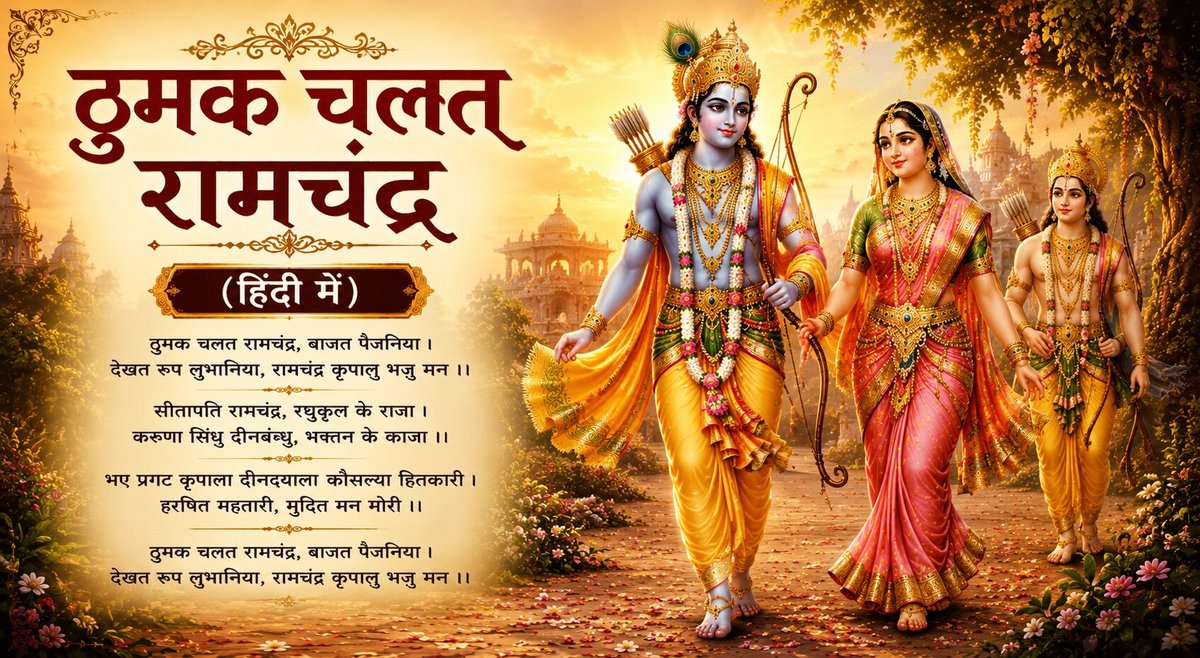
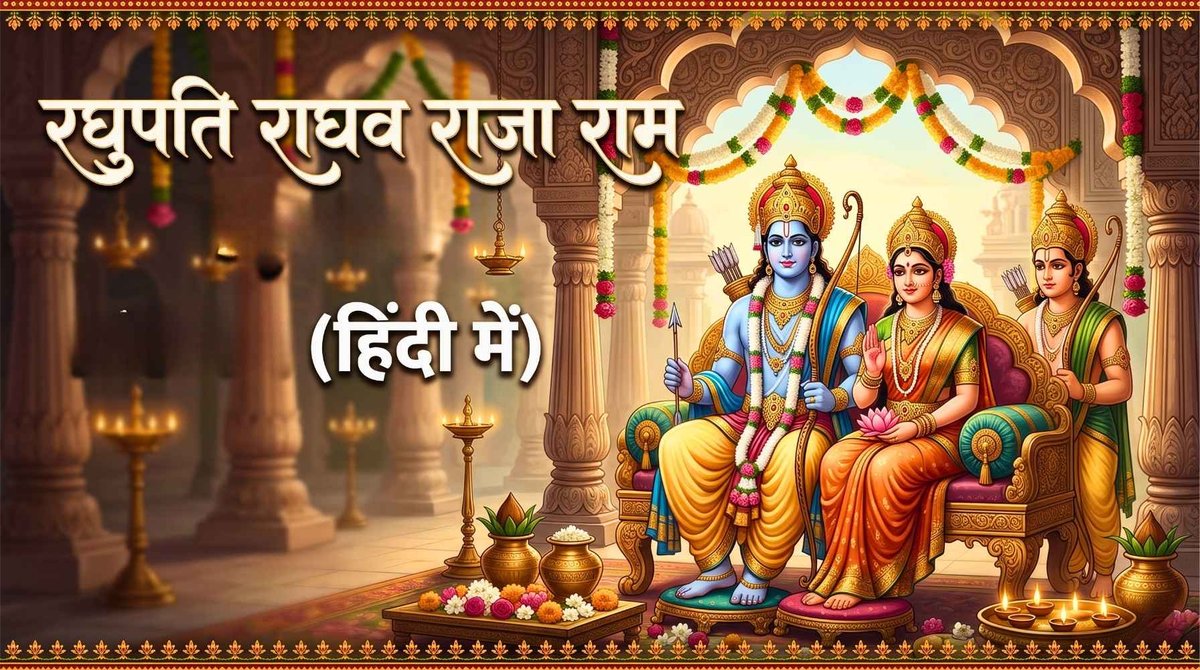
The priceless gift of the Name: Meera's bhajan of guru-grace and inner wealth
Payo Ji Maine Ram Ratan Dhan Payo stands among the most joyful of all Meera Bai's compositions - a striking counterpoint to her many padas of longing and exile. Here the mood is one of exultant gratitude: she has received a treasure, the name of Ram, and she is almost unable to contain her delight. The metaphor she employs is deliberately economic - this wealth, unlike silver and gold, cannot be stolen, cannot be spent, and grows richer with every use. The guru who bestowed it is invoked with profound reverence, reflecting the central Vaishnava teaching that the divine name reaches the disciple through the living grace of a realized teacher.
This bhajan is widely sung across the Vaishnava and broader bhakti traditions of Rajasthan and Gujarat, and it has found a home in satsangs far beyond those regions. Its particular emotional quality - celebration rather than petition - makes it a natural choice for moments of spiritual gratitude: after a pilgrimage, following a period of intensive sadhana, or at the conclusion of Navaratri and other festivals when devotees feel closest to the divine. Meera's genius in this composition is to make the practice of nama-japa feel not like a discipline but like the discovery of an inheritance one never knew one had - and once found, can never lose.