Gaura Ferdi Hai Mala Tere Naam Di: Punjabi Shiv Bhajan - Meaning & Significance
Gaura Ferdi Hai Mala Tere Naam Di - Opening Lines
Note: This is a popular Punjabi devotional folk-bhajan (a Shiv bhajan), not an ancient Sanskrit stotra. As a modern/folk song still in popular circulation, only the opening refrain is reproduced below; the full lyrics are not given here. The focus of this article is its meaning, devotional significance and how it is sung.
गौरां फेरदी है माला तेरे नाम दी,
तेरे नाम दी ओ भोले तेरे नाम दी ।
गौरां फेरदी है माला…
Transliteration (Roman)
Gauran ferdi hai mala tere naam di,
tere naam di o Bhole tere naam di |
Gauran ferdi hai mala…
Meaning
“Gaura (Parvati) turns the beads of her rosary upon your name, O Bhole (Shiva) — upon your name alone.” The bhajan lovingly pictures Goddess Gaura — Parvati, the consort of Shiva — absorbed in the constant remembrance (japa) of her Lord’s name, turning her mala bead by bead in devotion to Bhole Nath. It is a tender, folk-style hymn of love and surrender to Lord Shiva.
About this Bhajan
“Gaura Ferdi Hai Mala Tere Naam Di” is a much-loved Punjabi Shiv bhajan sung in the folk-devotional style of North India, especially during the month of Sawan, Mahashivratri and at Shiva jagrans (all-night devotional gatherings). It belongs to the living tradition of regional bhakti-geet rather than to the classical Sanskrit stotra canon, and is performed by many singers in varied tunes. (Because it is a modern/folk composition, only the opening line is quoted here.)
Significance & Spiritual Benefits
The bhajan’s beauty lies in holding up Gaura herself as the ideal devotee — even the Goddess chants Shiva’s name on her mala, teaching the listener that constant remembrance (naam-japa) of the Lord is the highest devotion. Singing or listening to it cultivates love, surrender and one-pointed focus on Shiva, brings peace and emotional upliftment, and is felt to invoke Bhole Nath’s blessings of forgiveness, simplicity and grace. Group singing at jagrans builds a powerful devotional atmosphere.
Astrological Relevance
As a hymn to Lord Shiva, this bhajan supports Shani (Saturn) — Shiva is the great lord of Saturn and of renunciation — making it a gentle accompaniment to Shiva worship during Sade Sati or a difficult Saturn period. Shiva worship also pacifies Ketu (detachment, moksha) and the malefic energies of Rahu and Mangala (Mars). Devotion to the Shiva-Gaura pair further blesses the Moon (the crescent on Shiva’s head) and marital harmony. Monday, Shiva’s day, and the Sawan month are the natural times to sing it.
How to Chant (Vidhi)
This is a bhajan to be sung with devotion rather than a ritual mantra with a fixed count. Sing it before a Shivling or an image of Shiva-Parvati, ideally after offering water, bilva (bel) leaves and a lamp. It is wonderful for group kirtan; clapping, harmonium and dholak in the folk style enhance the mood. Let the heart, not precision, lead the singing.
Best Day & Time
Monday (Somvar) and the Sawan (Shravan) month are foremost, along with Mahashivratri and Pradosh evenings. The evening Shiva aarti hour and night-time jagrans are the classic settings for this bhajan.
Frequently Asked Questions
Who is ‘Gaura’ in this bhajan?
Gaura is Goddess Parvati, the fair-complexioned consort of Shiva. The song depicts her chanting Shiva’s name on her rosary as the model devotee.
Is this an ancient Sanskrit stotra?
No — it is a popular Punjabi folk-devotional Shiv bhajan from the living bhakti-geet tradition, not a classical Sanskrit composition, which is why only its opening refrain is reproduced here.
When is it usually sung?
On Mondays, throughout the Sawan month, on Mahashivratri and at Shiva jagrans and bhajan-sandhya gatherings.
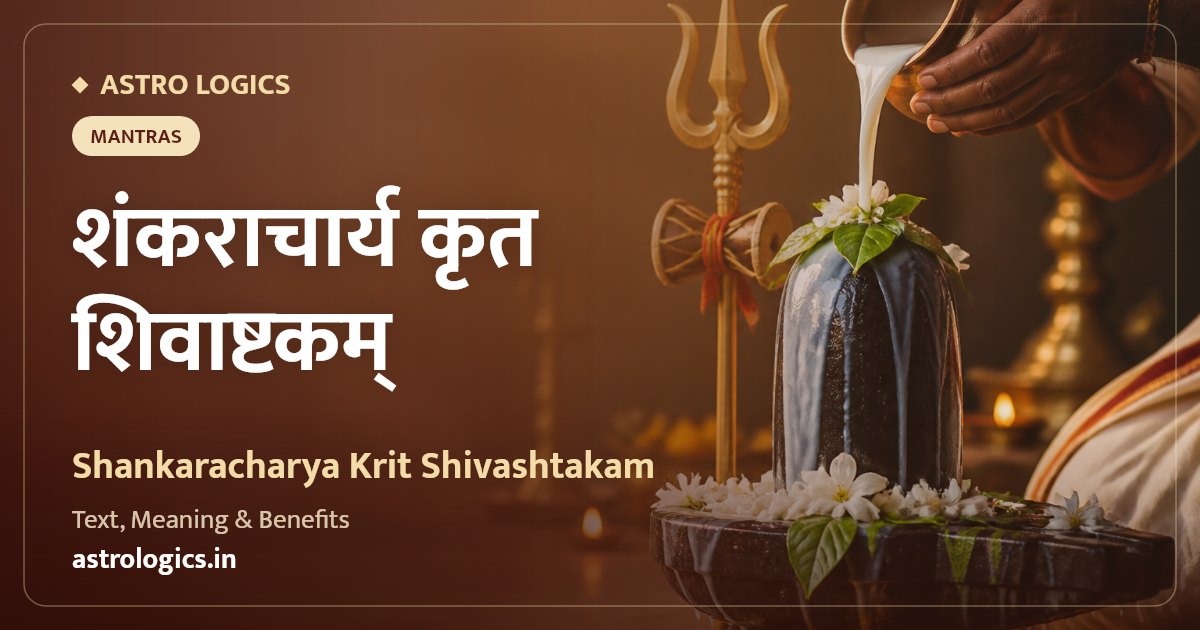
Gaura's rosary: how a Punjabi folk bhajan carries the depth of Shaiva bhakti
This beloved Punjabi bhajan presents an image of extraordinary intimacy and beauty: Gaura - Goddess Parvati, the daughter of the mountains - sitting with her rosary, turning each bead in devotion to Shiva's name. The image reverses the usual direction of Shaiva devotion, in which it is Shiva who is worshipped; here, the worshipper is Shiva's own beloved, reminding listeners that love and devotion are not merely duties but the natural expression of the deepest relationship. Sung in the warmth of Punjabi - a language that carries an unguarded emotional directness - the bhajan draws even first-time listeners into its mood of sweet, unwavering dedication.
Folk bhajans like this one have historically been the primary vehicle through which philosophical and mythological understanding flows from temple and text into the home, the field, and the marketplace. They are not formally attributed compositions but living traditions, shaped and reshaped by generations of singers who found in them a language for their own devotion. In the Jyotish tradition, Shiva worship - and by extension Gaura's worship through this bhajan - is associated with Saturn (Shani), which governs patience, endurance, and the slow deepening of understanding. The image of Gaura turning her mala bead by bead is itself a teaching about the nature of sadhana: steady, unhurried, and rooted in love rather than urgency.