Shiv Kshama Prarthana Stotra: Text, Meaning & Benefits
Shiv Kshama Prarthana Stotra - Sanskrit Text
मृत्युञ्जय महारुद्र त्राहि मां शरणागतम् ।
जन्ममृत्युजरारोगैः पीडितं कर्मबन्धनैः ॥1॥
मन्त्रहीनं क्रियाहीनं भक्तिहीनं सुरेश्वर ।
यत्पूजितं मया देव परिपूर्णं तदस्तु मे ॥2॥
मन्त्रेणाक्षरहीनेन पुष्पेण विफलेन च ।
पूजितोऽसि महादेव तत्सर्वं क्षम्यतां मम ॥3॥
करचरणकृतं वाक्कायजं कर्मजं वा
श्रवणनयनजं वा मानसं वापराधम् ।
विहितमविहितं वा सर्वमेतत्क्षमस्व
जय जय करुणाब्धे श्रीमहादेव शम्भो ॥4॥
आवाहनं न जानामि न जानामि तवार्चनम् ।
पूजां चैव न जानामि क्षम्यतां परमेश्वर ॥5॥
अन्यथा शरणं नास्ति त्वमेव शरणं मम ।
तस्मात्कारुण्यभावेन रक्ष रक्ष महेश्वर ॥6॥
गतं पापं गतं दुःखं गतं दारिद्र्यमेव च ।
आगता सुखसम्पत्तिः पुण्याच्च तव दर्शनात् ॥7॥
करोमि यत्तु भक्त्या वा प्रमादादथवा हरे ।
हरहर महादेव यदक्षरपदं भ्रष्टं मात्राहीनं च यद्भवेत् ।
तत्सर्वं क्षम्यतां देव प्रसीद परमेश्वर ॥8॥
Transliteration (Roman/IAST)
mṛtyuñjaya mahārudra trāhi māṃ śaraṇāgatam |
janma-mṛtyu-jarā-rogaiḥ pīḍitaṃ karma-bandhanaiḥ ||1||
āvāhanaṃ na jānāmi na jānāmi tavārcanam |
pūjāṃ caiva na jānāmi kṣamyatāṃ parameśvara ||5||
anyathā śaraṇaṃ nāsti tvam eva śaraṇaṃ mama |
tasmāt kāruṇya-bhāvena rakṣa rakṣa maheśvara ||6||
Meaning
This is a prayer for forgiveness (kshama-prarthana) addressed to Mahadeva. The devotee cries out: 'O Mrityunjaya, great Rudra, protect me; I have come for refuge, tormented by birth, death, old age, disease and the bondage of karma.' He confesses his unworthiness: 'I am without mantra, without ritual, without devotion, O Lord of the gods - yet may whatever I have offered you be counted as complete.'
'Even if I worshipped you with imperfect, syllable-broken mantras and with faded flowers, O Mahadeva, forgive it all. Whatever wrong I have done - by hand or foot, by speech or body, by action, by ear or eye, or in the mind; whether prescribed or forbidden - forgive it all, O ocean of compassion, victory to you, Shri Mahadeva Shambho. I do not know how to invoke you, how to worship you, how to perform your puja; forgive me, Supreme Lord. There is no other refuge; you alone are my refuge; therefore, out of compassion, protect me, protect me, O Maheshwara. Through the merit of your darshan, my sin is gone, my sorrow is gone, my poverty too is gone, and happiness and prosperity have come.'
About this Stotra
The Shiv Kshama Prarthana Stotra (also called the Shiva Aparadha Kshamapana Stotra in its fuller form, traditionally ascribed to Adi Shankaracharya) is a prayer in which the worshipper, conscious of all the lapses and imperfections in his worship, throws himself entirely on Shiva's mercy. It is the prayer of humility recited at the close of any Shiva puja, asking the Lord to overlook every defect - mispronounced mantras, missed steps, wandering attention - and to accept the imperfect offering as if it were complete. The verses circulate in several arrangements; we reproduce the verified core verses here.
Significance & Spiritual Benefits
This stotra is the traditional kshama-yachana, recited at the end of worship to seek pardon for any error or omission. Its spirit is total surrender (sharanagati): 'you alone are my refuge.' Reciting it cultivates humility, dissolves the anxiety of having 'done the ritual wrong', and is believed to make even a flawed worship fruitful. Its closing verse celebrates the fruits of Shiva's grace - the going of sin, sorrow and poverty and the coming of happiness and wealth.
Astrological Relevance
Shiva, as the deity of Saturn (Shani), is the planet of karma, accountability and the consequences of past deeds - exactly the 'karma-bandhana' (bondage of action) named in the first verse. This forgiveness-prayer is therefore powerful as a karmic remedy: it is recited to seek relief from the burdens of past karma during Sade Sati, Shani dasha, or when malefic planets afflict the chart. Because it opens by invoking Mrityunjaya, the conqueror of death, it is also used as a protective prayer for health and longevity (8th house) and is commonly paired with the Mahamrityunjaya mantra.
How to Chant (Vidhi)
This stotra is most often recited at the conclusion of Shiva puja, with folded hands, after the lamp-offering (aarti), to seek forgiveness for any lapse. Sit before the Shivalinga, bow, and recite the verses slowly with genuine humility. It may also be chanted on its own, daily, as an act of surrender. Offer bilva leaves and water, and end by prostrating fully (sashtanga pranama).
Best Day & Time
Monday (Somvar) and Pradosh Kaal are ideal, as are Maha Shivaratri and the Mondays of Shravan. Since it is a closing prayer of forgiveness, it is appropriately recited at the end of any Shiva worship, on any day. Saturdays suit those chanting it as a Saturn/karma remedy.
Frequently Asked Questions
When is the Shiv Kshama Prarthana recited?
It is traditionally recited at the very end of Shiva worship, to ask forgiveness for any mistake, omission or imperfection in the puja. It can also be chanted on its own as a prayer of surrender.
What does it ask for?
It asks Mahadeva to forgive all faults of body, speech and mind, and to accept the devotee's imperfect worship as complete. Its essence is total refuge in Shiva - 'you alone are my refuge'.
Is it the same as the Shiva Aparadha Kshamapana Stotra?
It belongs to the same family of forgiveness-prayers traditionally attributed to Adi Shankaracharya. Several arrangements of these verses circulate; this is the widely-recited core.
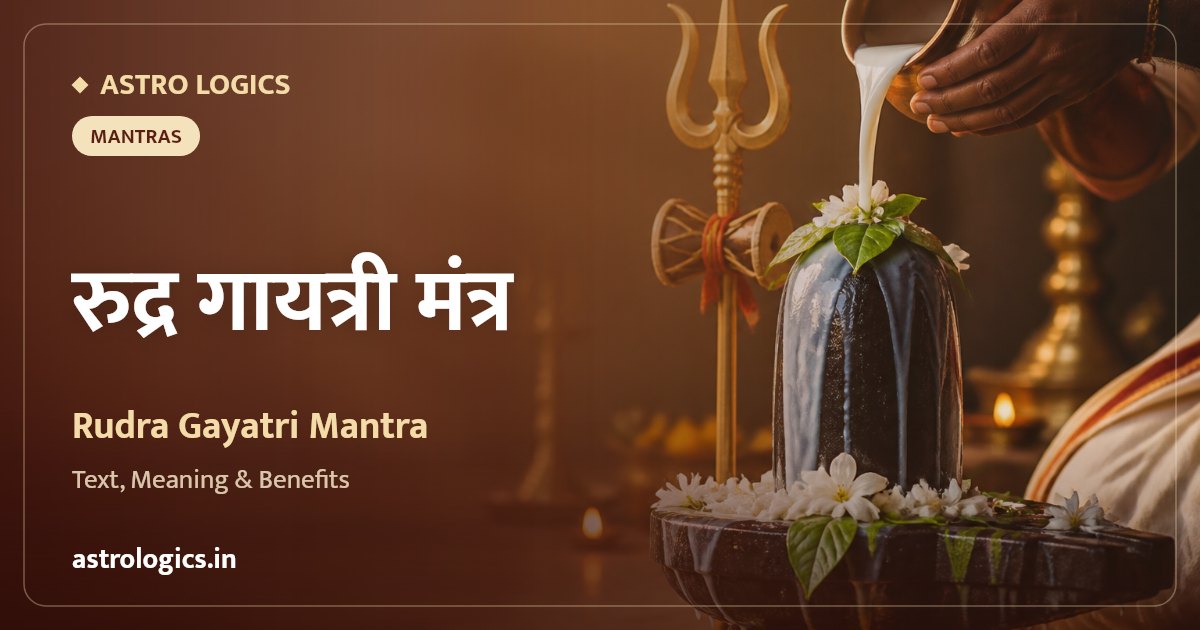
The grace of Shiva toward the imperfect worshipper
Among the many facets of Shiva's nature that Hindu devotion has treasured across the centuries, perhaps the most consoling is his reputation as Ashutosh - the one easily pleased - and Bholenaath - the simple-hearted lord who overlooks human failing. The Shiv Kshama Prarthana Stotra is the liturgical expression of that trust: a prayer spoken at the close of worship that honestly acknowledges every lapse - a mispronounced syllable, a missing offering, a distracted mind - and places them all at Shiva's feet with the plea that imperfect devotion, offered sincerely, may still be accepted as complete. This quality of honest self-presentation before the Divine is itself considered a form of spiritual maturity.
In the Jyotish tradition, Saturn (Shani) governs karma, discipline and the consequences of action, and Shiva - who is intimately linked with Shani as lord of detachment and time - is often approached through this prayer as a means of releasing karmic anxiety: the fear that one's worship has been insufficient or that one's spiritual debt remains unpaid. Devotees recite it especially on Mondays and on Shivaratri, as a closing benediction after longer rites. The mood it carries is one of profound relief - the relief of a child who confesses everything to a parent known to be loving, and finds that the confession itself is already forgiveness.