Shiv Stuti (Vidyeshvara Samhita, Shiv Mahapuran): Text & Meaning
Shiv Stuti (Vidyeshvara Samhita) - Sanskrit Text
॥ ॐ श्रीसाम्बशिवाय नमः ॥ ॥ ॐ श्रीगणेशाय नमः ॥
आद्यन्तमङ्गलमजातसमानभाव-
मार्यं तमीशमजरामरमात्मदेवम् ।
पञ्चाननं प्रबलपञ्चविनोदशीलं
सम्भावये मनसि शङ्करमम्बिकेशम् ॥
- श्रीशिवमहापुराण, विद्येश्वरसंहिता, प्रथमोऽध्यायः
Transliteration (Roman/IAST)
oṃ śrī-sāmba-śivāya namaḥ | oṃ śrī-gaṇeśāya namaḥ |
ādyanta-maṅgalam-ajāta-samāna-bhāvam-
āryaṃ tam-īśam-ajarāmaram-ātmadevam |
pañcānanaṃ prabala-pañca-vinoda-śīlaṃ
sambhāvaye manasi śaṅkaram-ambikeśam ||
Meaning
"He who is auspicious at the beginning, the end and the middle; who is unborn and without equal; the noble Lord, ageless and deathless, the radiant God who is the very Self; the five-faced one whose nature is the powerful five-fold play; I contemplate within my mind that Shankara, the lord of Ambika." The verse describes Shiva as eternally auspicious (mangala), beginningless and unequalled, the imperishable Atma-deva who shines as the inner Self; as Panchanana, the five-faced Sadashiva; and as the doer of the five mighty cosmic acts - creation, preservation, dissolution, concealment and grace (the pancha-kritya) - performed effortlessly, as if in play. The devotee meditates on this Shankara, the consort of Ambika (Parvati), within the heart.
About this Stotra
This Shiva Stuti is the opening invocatory verse of the Vidyeshvara Samhita, the first section of the Shiva Mahapurana, one of the eighteen great Puranas and a foundational scripture of the Shaiva tradition. The verse appears at the very beginning of the Purana, in the chapter describing the questions of the sages, as the auspicious meditation (dhyana) on Shiva that consecrates the entire text. Compact yet complete, it captures the essence of the Shaiva vision of Shiva: simultaneously the formless, deathless Self and the personal, five-faced Shankara who, with his consort Ambika, governs the fivefold activity of the universe.
Significance & Spiritual Benefits
As the consecrating verse of the Shiva Mahapurana, this stuti is recited at the start of the reading or recitation (parayana) of the Purana, and on its own as a meditation on Shiva's supreme nature. Its great theme is the pancha-kritya - the five cosmic functions of creation, sustenance, dissolution, concealment and grace - which reveal Shiva as the sole power behind all becoming. Contemplating the verse cultivates the understanding that Shiva is both the inner Self (Atma-deva) and the Lord of the cosmos, dissolving the sense of separation between the worshipper and the worshipped. It is chanted for auspicious beginnings (the verse itself opens with "mangala"), for inner peace, and for the grace that accompanies the study of sacred scripture.
Astrological Relevance
As an invocatory meditation on Shiva from the Shiva Mahapurana, this verse is recited for auspicious beginnings and for the grace of Mahadeva over the whole horoscope. Shiva, lord of time, dissolution and the five cosmic acts, is the deity of Shani (Saturn), Rahu and Ketu; meditating on him is a remedy during Sade Sati and the karmic dashas. The verse's vision of Shiva as the deathless Atma-deva supports a strong, well-placed Sun (Surya), the karaka of the soul, and the ninth house of dharma; while its emphasis on Shiva united with Ambika (Shakti) makes it a balanced invocation of both the masculine and feminine cosmic principles, beneficial for harmony in the chart. Reciting it before scriptural study also strengthens Guru (Jupiter), the karaka of sacred knowledge.
How to Chant (Vidhi)
Bathe and sit before a Shiva lingam or image, facing east or north, and light a lamp. Begin with the salutations to Samba-Shiva and Ganesha, then recite the dhyana verse slowly, visualising the five-faced Shankara with Ambika within the lotus of the heart. It is especially fitting to recite this verse at the start of reading or hearing the Shiva Mahapurana, or as a daily opening meditation in Shiva worship. Offer bilva leaves and conclude with "Om Namah Shivaya."
Best Day & Time
Monday (Somvar), the Pradosha twilight, Maha Shivaratri and the month of Shravana are the most auspicious. The Brahma-muhurta at dawn is ideal, particularly when beginning the study or recitation of the Shiva Mahapurana.
Frequently Asked Questions
Where does this Shiva Stuti come from?
It is the opening invocatory (dhyana) verse of the Vidyeshvara Samhita, the first section of the Shiva Mahapurana, recited to consecrate the reading of that great Shaiva scripture.
What are the "five acts" mentioned in the verse?
The "powerful five-fold play" refers to the pancha-kritya - Shiva's five cosmic functions: creation (srishti), preservation (sthiti), dissolution (samhara), concealment (tirobhava) and grace (anugraha) - which he performs effortlessly. His five faces (Panchanana) correspond to these five activities.
Why is Shiva called "Ambikesha" here?
"Ambikesha" means the lord (isha) of Ambika, that is, of Parvati. The epithet emphasises Shiva together with his consort Shakti, reflecting the inseparable union of the masculine and feminine cosmic principles in the Shaiva vision.
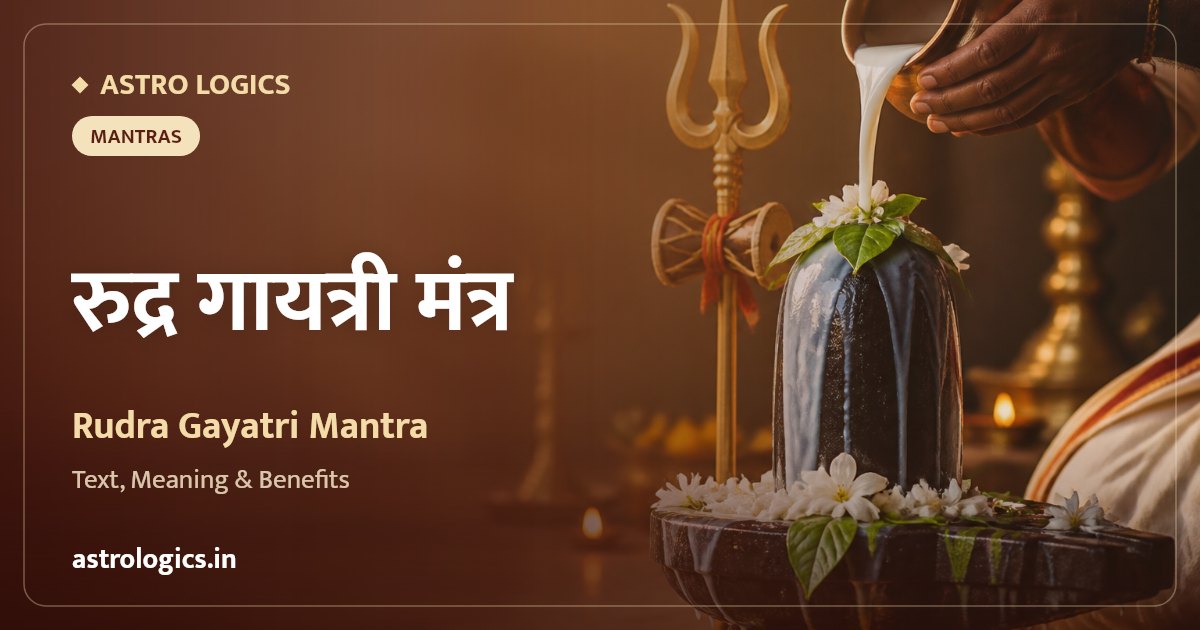
A meditation on Shiva as the eternal, self-luminous witness
The opening invocatory verse of the Vidyeshvara Samhita of the Shiva Mahapurana is not merely a formal salutation; it is a deeply contemplative dhyana shloka that sets the philosophical tone for one of Shaivism's most revered scriptural works. By meditating on Shankara as the deathless inner Self and the five-faced Lord (Panchamukha Shiva), this verse draws the mind immediately into the heart of non-dual Shaiva vision: Shiva is not approached as an external deity alone, but as the very ground of consciousness in which all creation arises and dissolves. The mood here is unmistakably one of shanta rasa - the deep, still peace that the bhakta experiences when individual awareness begins to recognise its identity with the infinite.
In sadhana practice, devotees and scholars traditionally recite or contemplate this shloka at the very opening of a Shiva Mahapurana parayana, on auspicious Mondays, during Pradosh Kaal, and especially during Mahashivaratri. Its placement at the threshold of the Samhita signals that genuine inquiry into sacred scripture begins with stillness and inner orientation rather than mere intellectual reading. In the Jyotish tradition, Shiva is the presiding deity of the Soma (Moon) principle, as well as of Ketu, whose higher expression is detachment and liberation - qualities beautifully mirrored in this verse's call to meditate on the eternally auspicious One who transcends birth and death. For those drawn to Shaiva philosophy, this compact dhyana shloka is itself a complete teaching.