Shri Uma Maheswara Stotram: Sanskrit Text, Meaning & Benefits
Shri Uma Maheswara Stotram - Sanskrit Text
॥ श्रीगणेशाय नमः ॥
नमः शिवाभ्यां नवयौवनाभ्यां
परस्पराश्लिष्टवपुर्धराभ्याम् ।
नगेन्द्रकन्यावृषकेतनाभ्यां
नमो नमः शङ्करपार्वतीभ्याम् ॥1॥
नमः शिवाभ्यां सरसोत्सवाभ्यां
नमस्कृताभीष्टवरप्रदाभ्याम् ।
नारायणेनार्चितपादुकाभ्यां
नमो नमः शङ्करपार्वतीभ्याम् ॥2॥
नमः शिवाभ्यां वृषवाहनाभ्यां
विरिञ्चिविष्ण्विन्द्रसुपूजिताभ्याम् ।
विभूतिपाटीरविलेपनाभ्यां
नमो नमः शङ्करपार्वतीभ्याम् ॥3॥
नमः शिवाभ्यां जगदीश्वराभ्यां
जगत्पतिभ्यां जयविग्रहाभ्याम् ।
जम्भारिमुख्यैरभिवन्दिताभ्यां
नमो नमः शङ्करपार्वतीभ्याम् ॥4॥
नमः शिवाभ्यां परमौषधाभ्यां
पञ्चाक्षरीपञ्जररञ्जिताभ्याम् ।
प्रपञ्चसृष्टिस्थितिसंहृताभ्यां
नमो नमः शङ्करपार्वतीभ्याम् ॥5॥
नमः शिवाभ्यामतिसुन्दराभ्यां
अत्यन्तमासक्तहृदम्बुजाभ्याम् ।
अशेषलोकैकहितङ्कराभ्यां
नमो नमः शङ्करपार्वतीभ्याम् ॥6॥
नमः शिवाभ्यां कलिनाशनाभ्यां
कङ्कालकल्याणवपुर्धराभ्याम् ।
कैलासशैलस्थितदेवताभ्यां
नमो नमः शङ्करपार्वतीभ्याम् ॥7॥
नमः शिवाभ्यामशुभापहाभ्यां
अशेषलोकैकविशेषिताभ्याम् ।
अकुण्ठिताभ्यां स्मृतिसम्भृताभ्यां
नमो नमः शङ्करपार्वतीभ्याम् ॥8॥
नमः शिवाभ्यां रथवाहनाभ्यां
रवीन्दुवैश्वानरलोचनाभ्याम् ।
राकाशशाङ्काभमुखाम्बुजाभ्यां
नमो नमः शङ्करपार्वतीभ्याम् ॥9॥
नमः शिवाभ्यां जटिलन्धराभ्यां
जरामृतिभ्यां च विवर्जिताभ्याम् ।
जनार्दनाब्जोद्भवपूजिताभ्यां
नमो नमः शङ्करपार्वतीभ्याम् ॥10॥
नमः शिवाभ्यां विषमेक्षणाभ्यां
बिल्वच्छदामल्लिकदामभृद्भ्याम् ।
शोभावतीशान्तवतीश्वराभ्यां
नमो नमः शङ्करपार्वतीभ्याम् ॥11॥
नमः शिवाभ्यां पशुपालकाभ्यां
जगत्रयीरक्षणबद्धहृद्भ्याम् ।
समस्तदेवासुरपूजिताभ्यां
नमो नमः शङ्करपार्वतीभ्याम् ॥12॥
स्तोत्रं त्रिसन्ध्यं शिवपार्वतीभ्यां
भक्त्या पठेद्द्वादशकं नरो यः ।
स सर्वसौभाग्यफलानि भुङ्क्ते
शतायुरान्ते शिवलोकमेति ॥13॥
॥ इति श्रीशङ्कराचार्यकृतं उमामहेश्वरस्तोत्रम् ॥
Transliteration (Roman/IAST)
namaḥ śivābhyāṃ nava-yauvanābhyāṃ paraspara-āśliṣṭa-vapur-dharābhyām |
nagendra-kanyā-vṛṣa-ketanābhyāṃ namo namaḥ śaṅkara-pārvatībhyām ||1||
(Every verse closes with the refrain: namo namaḥ śaṅkara-pārvatībhyām - “Salutations again and again to Shankara and Parvati.”)
stotraṃ trisandhyaṃ śiva-pārvatībhyāṃ bhaktyā paṭhed dvādaśakaṃ naro yaḥ |
sa sarva-saubhāgya-phalāni bhuṅkte śatāyur-ante śivalokam eti ||13||
Meaning
This stotra is a garland of salutations to the divine couple, Shankara (Shiva) and Parvati, worshipped together as Uma-Maheshwara. Each verse offers 'namo namaḥ' to the pair, describing them as ever-youthful, their forms locked in mutual embrace, bannered by the bull, the daughter of the mountain-king at his side. They are saluted as the granters of every wish, whose sandals even Narayana worships; as rider of the bull, anointed with sacred ash and sandal, worshipped by Brahma, Vishnu and Indra.
The verses continue: they are the supreme medicine, delighting in the cage of the five-syllable mantra (Namah Shivaya), the creators, sustainers and dissolvers of the universe; surpassingly beautiful, devoted to one another, doing good to all the worlds; destroyers of the Kali age, whose forms are auspicious even as a skeleton-bearer, dwelling on Mount Kailasa. Their three eyes are the sun, moon and fire; their faces are like the full moon. The closing verse promises that whoever recites these twelve verses thrice daily with devotion enjoys every good fortune, lives a hundred years, and at the end attains Shiva-loka.
About this Stotra
The Uma Maheshwara Stotram is a celebrated thirteen-verse Sanskrit hymn traditionally attributed to Adi Shankaracharya. Its distinctive feature is that it praises Shiva and Parvati always together, in the dual case ('shivabhyam', 'pārvatībhyām'), honouring them as the inseparable cosmic couple - the union of consciousness (Shiva) and energy (Shakti). Composed in the dignified Upajati/Indravajra metre, it is recited as a complete daily devotion, and its phala-shruti (the fruit-declaring final verse) makes explicit its promise of fortune, long life and liberation.
Significance & Spiritual Benefits
Because it worships the divine couple jointly, the Uma Maheshwara Stotram is especially cherished for harmony in marriage, marital happiness and family well-being. The phala-shruti promises 'sarva-saubhagya' (all auspiciousness), a hundred years of life, and finally Shiva-loka. Devotees recite it for a happy and lasting marriage, for the welfare of spouse and children, for relief from the troubles of the Kali age, and for spiritual liberation under the combined grace of Shiva and Shakti.
Astrological Relevance
In Vedic astrology the harmony of Shiva and Shakti maps onto the balance of masculine and feminine energies, and onto the houses of marriage and partnership - the 7th house and its lord, and the karakas Venus (for the wife/relationship) and Jupiter (for the husband). Worship of Uma-Maheshwara together is a recognised remedy for delayed marriage, marital discord, and afflictions to the 7th house or to Venus/Jupiter. Shiva himself rules Saturn (longevity, discipline), so the hymn's promise of long life resonates with strengthening the 8th house and Shani. Couples and those seeking a suitable spouse are traditionally advised to recite this stotra.
How to Chant (Vidhi)
The hymn itself recommends recitation 'trisandhyam' - at the three twilights (dawn, noon, dusk). Bathe, sit before an image of Shiva-Parvati or a Shivalinga, light a lamp, and offer bilva leaves, kumkum and flowers (red flowers please the Goddess). Recite all twelve verses with the phala-shruti, ideally thrice daily, or at least once each morning. Couples may recite it together. Conclude by bowing to the divine pair.
Best Day & Time
Monday (for Shiva) and Friday (for the Goddess/Shakti and Venus, the planet of marriage) are both well suited. Pradosh Kaal, Maha Shivaratri, and the three sandhya periods are auspicious. For marriage-related intentions, Fridays and the Shukla Paksha (waxing fortnight) are recommended.
Frequently Asked Questions
Who composed the Uma Maheswara Stotram?
It is traditionally attributed to Adi Shankaracharya, the great 8th-century philosopher-saint, and appears in collections of his devotional hymns.
Why does it praise Shiva and Parvati together?
The hymn deliberately uses the dual grammatical form to honour them as one inseparable couple - the union of Shiva (consciousness) and Shakti (energy). This is why it is favoured for marital harmony and family welfare.
What is the promised benefit?
The final verse states that reciting these twelve verses thrice daily with devotion brings all good fortune, a life of a hundred years, and ultimately the attainment of Shiva-loka.
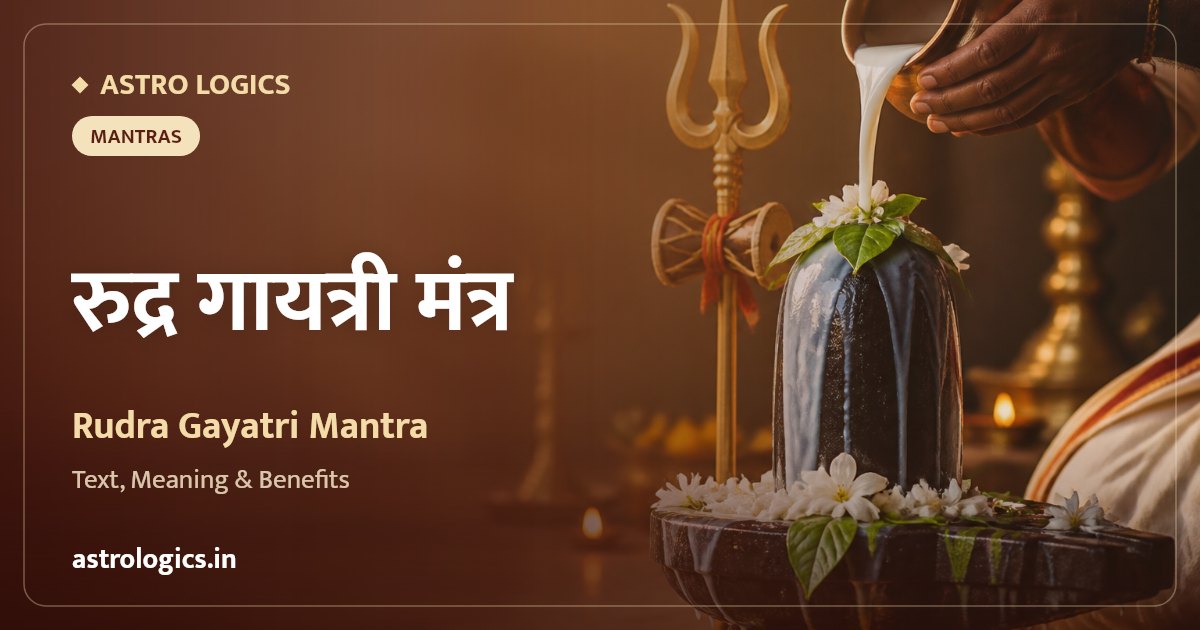
Shankaracharya's Hymn to the Divine Couple Shiva and Parvati
The Uma Maheswara Stotram stands as one of Adi Shankaracharya's most tender compositions, unusual in his corpus because it focuses not on the solitary absolute but on the sacred union of Shiva and Parvati. Each of its thirteen verses ends with a reverent salutation to Shankara-Parvatibhyam, the inseparable divine pair -- a refrain that builds, with each repetition, into a kind of mantra in itself. The hymn is traditionally recited by couples seeking harmony and mutual devotion, and by those observing Pradosha Vrata or the Monday fast. It holds a special place in wedding ceremonies and on anniversaries in many parts of South India, where the ideal of divine marital union is invoked as a blessing for the household.
What makes this stotra distinctive within Shankara's work is its deliberate pairing of Advaitic vision with saguna devotion: even as the philosopher-saint praises the physical glory of the divine couple, he reminds us that their union points beyond form to the non-dual truth of Shiva-Shakti as one. In the Jyotish tradition, the combined energy of Shiva and Shakti corresponds to the balance of Sun and Moon, masculine and feminine planetary principles, and this stotra is sometimes recommended for those seeking harmony in relationships reflected in the natal chart. Its phala-shruti speaks of long life and auspiciousness -- blessings that tradition associates with the grace of the eternal divine embrace.