Kashi Vishwanath Ashtakam: Sanskrit Text, Meaning & Benefits
Kashi Vishwanath Ashtakam - Sanskrit Text
॥ श्रीकाशीविश्वनाथाष्टकम् ॥
गङ्गातरंगरमणीयजटाकलापं
गौरीनिरन्तरविभूषितवामभागम् ।
नारायणप्रियमनंगमदापहारं
वाराणसीपुरपतिं भज विश्वनाथम् ॥1॥
वाचामगोचरमनेकगुणस्वरूपं
वागीशविष्णुसुरसेवितपादपीठम् ।
वामेनविग्रहवरेणकलत्रवन्तं
वाराणसीपुरपतिं भज विश्वनाथम् ॥2॥
भूताधिपं भुजगभूषणभूषितांगं
व्याघ्राजिनांबरधरं जटिलं त्रिनेत्रम् ।
पाशांकुशाभयवरप्रदशूलपाणिं
वाराणसीपुरपतिं भज विश्वनाथम् ॥3॥
शीतांशुशोभितकिरीटविराजमानं
भालेक्षणानलविशोषितपंचबाणम् ।
नागाधिपारचितभासुरकर्णपूरं
वाराणसीपुरपतिं भज विश्वनाथम् ॥4॥
पंचाननं दुरितमत्तमतङ्गजानां
नागान्तकं दनुजपुंगवपन्नगानाम् ।
दावानलं मरणशोकजराटवीनां
वाराणसीपुरपतिं भज विश्वनाथम् ॥5॥
तेजोमयं सगुणनिर्गुणमद्वितीयं
आनन्दकन्दमपराजितमप्रमेयम् ।
नागात्मकं सकलनिष्कलमात्मरूपं
वाराणसीपुरपतिं भज विश्वनाथम् ॥6॥
रागादिदोषरहितं स्वजनानुरागं
वैराग्यशान्तिनिलयं गिरिजासहायम् ।
माधुर्यधैर्यसुभगं गरलाभिरामं
वाराणसीपुरपतिं भज विश्वनाथम् ॥7॥
आशां विहाय परिहृत्य परस्य निन्दां
पापे रतिं च सुनिवार्य मनः समाधौ ।
आदाय हृत्कमलमध्यगतं परेशं
वाराणसीपुरपतिं भज विश्वनाथम् ॥8॥
Transliteration (Roman/IAST)
gaṅgātaraṅga-ramaṇīya-jaṭākalāpaṃ
gaurī-nirantara-vibhūṣita-vāma-bhāgam |
nārāyaṇa-priyam-anaṅga-madāpahāraṃ
vārāṇasī-pura-patiṃ bhaja viśvanātham ||1||
vācām-agocaram-aneka-guṇa-svarūpaṃ
vāgīśa-viṣṇu-sura-sevita-pāda-pīṭham |
vāmena-vigraha-vareṇa-kalatra-vantaṃ
vārāṇasī-pura-patiṃ bhaja viśvanātham ||2||
(Each of the eight verses closes with the refrain: vārāṇasī-pura-patiṃ bhaja viśvanātham - “Worship Vishwanath, the Lord of the city of Varanasi.”)
...āśāṃ vihāya parihṛtya parasya nindāṃ | pāpe ratiṃ ca sunivārya manaḥ samādhau | ādāya hṛt-kamala-madhya-gataṃ pareśaṃ | vārāṇasī-pura-patiṃ bhaja viśvanātham ||8||
Meaning
Verse by verse, the hymn invites the devotee to worship Shiva as Vishwanath, the presiding Lord of Kashi (Varanasi). He is described as the one whose matted locks are made beautiful by the rippling waves of the Ganga, whose left side is forever adorned by Gauri (Parvati), who is dear to Narayana and who destroyed the pride of Kamadeva (Ananga).
He is beyond speech, of infinite auspicious qualities, served by Brahma (Vagisha), Vishnu and the gods. He is the Lord of all beings (Bhutadhipa), adorned with serpents, clad in a tiger-skin, three-eyed, bearing noose, goad, the gesture of fearlessness, the boon-gesture and the trident. His crown shines with the crescent moon; the fire of his forehead-eye burnt the five arrows of Kama.
He is radiant, both with-attributes and without-attributes, non-dual, the root of bliss, unconquered and immeasurable. Free of the faults of attachment, yet full of love for his devotees, he is the abode of dispassion and peace, the companion of Girija. The final verse teaches the inner discipline: abandon craving, give up faulting others, restrain delight in sin, fix the mind in samadhi, and hold the Supreme Lord seated in the lotus of the heart - thus worship Vishwanath, Lord of Varanasi.
About this Stotra
The Kashi Vishwanath Ashtakam (Shri Vishwanatha Ashtakam) is a classical eight-verse Sanskrit hymn addressed to Lord Shiva in his form as Vishwanath, the Jyotirlinga enshrined at Kashi (Varanasi), the most sacred of Shiva's twelve Jyotirlingas. The hymn is composed in the flowing Vasantatilaka metre, and its hallmark is the repeated refrain at the close of every verse - a meditative anchor that the reciter returns to again and again.
Varanasi is revered as the city of liberation, where Shiva himself is said to whisper the Taraka-mantra into the ear of the dying. This Ashtakam therefore reads not merely as praise but as a complete contemplation: it moves from Shiva's outward beauty and iconography in the early verses to his formless, non-dual nature in the later ones, ending with a prescription for the devotee's own inner conduct.
Significance & Spiritual Benefits
Recitation of the Vishwanatha Ashtakam is traditionally held to confer the merit of a pilgrimage to Kashi without leaving home. It is said to purify the mind of the three great fires named in the fifth verse - the forest-fire of death, grief and old age. Devotees chant it for protection, mental steadiness, freedom from fear, and ultimately for moksha, the liberation that Kashi promises.
Because the closing verse explicitly instructs the listener to drop craving, stop blaming others and seat the Lord in the heart, regular recitation acts as a gentle daily ethical and meditative discipline, not only a devotional act.
Astrological Relevance
Shiva is the supreme deity associated with Saturn (Shani), the planet of discipline, longevity, renunciation and karmic justice. Those undergoing Sade Sati, a difficult Shani dasha or Shani antardasha often turn to Shiva worship, and the Vishwanatha Ashtakam - with its themes of dispassion, endurance and the conquest of death - is especially apt during such periods. Shiva is also the lord of Mrityunjaya, the conqueror of untimely death, making this hymn relevant when malefic transits threaten the eighth house (longevity) or the lagna. Chanting it is a recognised remedial measure for strengthening Saturn's positive significations: patience, detachment and spiritual maturity.
How to Chant (Vidhi)
Bathe and sit facing east or north before an image or Shivalinga. Light a lamp with sesame oil or ghee and offer bilva (bel) leaves, white flowers and water to the linga. Begin with a short prayer to Ganesha, then recite the eight verses with attention to the refrain, ideally completing all eight in one sitting. Recite once, three times, or in multiples; some keep a count of 11 or 21 cycles on a rudraksha mala. Conclude by offering the merit of the recitation to Shiva and bowing.
Best Day & Time
Monday (Somvar) is the day of Shiva and the ideal day for this hymn. Pradosh Kaal (the twilight period before sunset on the 13th lunar day), Mondays of the month of Shravan, Maha Shivaratri, and the Brahma Muhurta in the early morning are all considered highly auspicious. Saturdays are also suitable when chanting with the intention of pacifying Saturn.
Frequently Asked Questions
Who composed the Kashi Vishwanath Ashtakam?
It is a traditional Sanskrit hymn praising the Vishwanath Jyotirlinga of Kashi. Like many classical Shiva ashtakams it is preserved anonymously in the stotra tradition and is often printed in devotional collections without a named author.
What does the refrain mean?
The phrase “Varanasipurapatim bhaja Vishwanatham” means “Worship Vishwanath, the Lord of the city of Varanasi.” Repeating it at the end of each verse keeps the mind fixed on the central object of devotion.
Can anyone recite this hymn?
Yes. There is no restriction - anyone, regardless of background, may recite it with devotion. It can be chanted daily, on Mondays, or on special Shiva festivals for protection and spiritual progress.
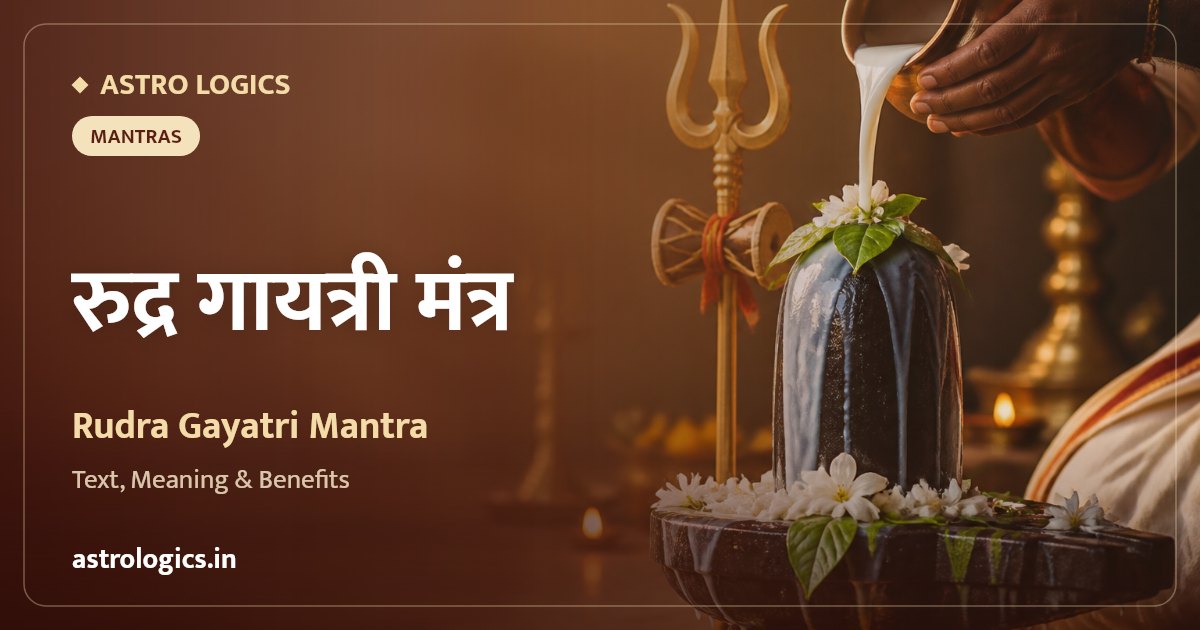
Varanasi as a living threshold between worlds
The Kashi Vishwanath Ashtakam belongs to a genre in which the divine and sacred geography are inseparable: to praise Vishwanath is simultaneously to praise Kashi itself. Varanasi has been understood in the Indian spiritual imagination not merely as a place but as a perpetual crossing point between the ordinary world and liberation. Lord Shiva as Vishwanath, the Lord of the Universe, presides over this threshold, and the tradition holds that he whispers the Taraka mantra to those who leave their body within Kashi's sacred precincts. The ashtakam's repeating refrain draws the mind back, verse after verse, to a single act of surrender.
Devotees recite this ashtakam on Mondays, through the month of Shravan, and at the liminal hours of Brahma muhurta and pradosh. In the Jyotish tradition, Shiva as cosmic ascetic is intimately connected with Shani (Saturn), both sharing dominion over renunciation, karma and the deeper currents of time. Those navigating Saturn's heavier transits often turn to Shiva-centred hymns to cultivate acceptance and inner steadiness. The dominant mood here is shanta tinged with vairagya - a serene detachment that does not flee from difficulty but holds it within a larger stillness. Reciting these eight verses is, in essence, a practice of remembering that beneath every change, Vishwanath remains the eternal witness and refuge.