Lingashtakam – Brahma Murari Surarchita Lingam: Lyrics, Meaning & Significance
Lingashtakam Lyrics (हिंदी में)
ब्रह्ममुरारिसुरार्चितलिङ्गं निर्मलभासितशोभितलिङ्गम् ।
जन्मजदुःखविनाशकलिङ्गं तत् प्रणमामि सदाशिवलिङ्गम् ॥१॥
देवमुनिप्रवरार्चितलिङ्गं कामदहं करुणाकरलिङ्गम् ।
रावणदर्पविनाशनलिङ्गं तत् प्रणमामि सदाशिवलिङ्गम् ॥२॥
सर्वसुगन्धिसुलेपितलिङ्गं बुद्धिविवर्धनकारणलिङ्गम् ।
सिद्धसुरासुरवन्दितलिङ्गं तत् प्रणमामि सदाशिवलिङ्गम् ॥३॥
कनकमहामणिभूषितलिङ्गं फणिपतिवेष्टितशोभितलिङ्गम् ।
दक्षसुयज्ञविनाशनलिङ्गं तत् प्रणमामि सदाशिवलिङ्गम् ॥४॥
कुङ्कुमचन्दनलेपितलिङ्गं पङ्कजहारसुशोभितलिङ्गम् ।
सञ्चितपापविनाशनलिङ्गं तत् प्रणमामि सदाशिवलिङ्गम् ॥५॥
देवगणार्चितसेवितलिङ्गं भावैर्भक्तिभिरेव च लिङ्गम् ।
दिनकरकोटिप्रभाकरलिङ्गं तत् प्रणमामि सदाशिवलिङ्गम् ॥६॥
अष्टदलोपरिवेष्टितलिङ्गं सर्वसमुद्भवकारणलिङ्गम् ।
अष्टदरिद्रविनाशितलिङ्गं तत् प्रणमामि सदाशिवलिङ्गम् ॥७॥
सुरगुरुसुरवरपूजितलिङ्गं सुरवनपुष्पसदार्चितलिङ्गम् ।
परात्परं परमात्मकलिङ्गं तत् प्रणमामि सदाशिवलिङ्गम् ॥८॥
लिङ्गाष्टकमिदं पुण्यं यः पठेच्छिवसन्निधौ ।
शिवलोकमवाप्नोति शिवेन सह मोदते ॥ फलश्रुतिः ॥
Lingashtakam – Transliteration (English)
Brahma-Murari-Sura-Archita-Lingam Nirmala-Bhasita-Shobhita-Lingam |
Janmaja-Duhkha-Vinashaka-Lingam Tat Pranamaami Sadashiva-Lingam ||1||
Deva-Muni-Pravara-Archita-Lingam Kama-Daham Karuna-Kara-Lingam |
Ravana-Darpa-Vinashana-Lingam Tat Pranamaami Sadashiva-Lingam ||2||
Sarva-Sugandhi-Sulepita-Lingam Buddhi-Vivardhana-Karana-Lingam |
Siddha-Sura-Asura-Vandita-Lingam Tat Pranamaami Sadashiva-Lingam ||3||
Kanaka-Maha-Mani-Bhushita-Lingam Phani-Pati-Veshtita-Shobhita-Lingam |
Daksha-Su-Yajna-Vinashana-Lingam Tat Pranamaami Sadashiva-Lingam ||4||
Kunkuma-Chandana-Lepita-Lingam Pankaja-Hara-Sushobhita-Lingam |
Sanchita-Papa-Vinashana-Lingam Tat Pranamaami Sadashiva-Lingam ||5||
Deva-Gana-Archita-Sevita-Lingam Bhavair-Bhaktibhir-Eva Cha Lingam |
Dinakara-Koti-Prabhakara-Lingam Tat Pranamaami Sadashiva-Lingam ||6||
Ashta-Dala-Upari-Veshtita-Lingam Sarva-Samudbhava-Karana-Lingam |
Ashta-Daridra-Vinashita-Lingam Tat Pranamaami Sadashiva-Lingam ||7||
Sura-Guru-Sura-Vara-Pujita-Lingam Sura-Vana-Pushpa-Sada-Archita-Lingam |
Parat-Param Paramatmaka-Lingam Tat Pranamaami Sadashiva-Lingam ||8||
Lingashtakam-Idam Punyam Yah Pathech-Chiva-Sannidhau |
Shiva-Lokam Avaapnoti Shivena Saha Modate || Phala-Shrutih ||
Meaning & Significance
Lingashtakam is a garland of eight Sanskrit verses (ashtakam = eight) that bow before the Shiva Lingam - the abstract, formless symbol of Lord Shiva - recognising it as the root of all creation, the destroyer of accumulated sin, and the radiant source of liberation. Each verse opens with a beautifully descriptive epithet of the Lingam. In the first verse, it is worshipped by Brahma, Vishnu, and all gods, radiant in pure light, the destroyer of the suffering born of repeated births. In subsequent verses the Lingam is described as the destroyer of desire (Kamadeva), the crusher of Ravana's pride, the one adorned with golden jewels and the king of serpents, anointed with saffron and sandalwood, and radiant as a crore suns. Every verse concludes with the identical refrain - Tat Pranamaami Sadashiva-Lingam (I bow before that Sadashiva Lingam) - creating a meditative, cumulative effect of devotion. The closing phala-shruti verse promises that whoever recites these eight sacred verses in the presence of Shiva will attain the realm of Shiva and rejoice in his company.
About the Composer
Lingashtakam is traditionally attributed to Adi Shankaracharya (circa 788–820 CE), the great non-dualist philosopher-saint who reformed and revitalised Vedic Hinduism in the 8th century. Born in Kalady, Kerala, Adi Shankara traversed the length and breadth of India, establishing four monastic seats (mathas), composing foundational commentaries on the Upanishads, the Brahma Sutras, and the Bhagavad Gita, and composing hundreds of devotional hymns to various deities. Though a champion of Advaita (non-dual) Vedanta - holding Brahman as the sole ultimate reality - Shankara was also a prolific composer of stotras that express heartfelt devotion to Shiva, Vishnu, and Devi. The Lingashtakam stands among his simpler, more accessible compositions, suited equally to the scholar and the village devotee.
About Shiva
Lord Shiva, one of the principal deities of Hinduism, is worshipped in the aniconic form of the Lingam - a cylindrical pillar representing the infinite, beginningless, and endless axis of the universe. The Shiva Lingam is typically installed on a circular base called the Yoni, together symbolising the union of the masculine and feminine cosmic principles from which all creation flows. Shiva as Sadashiva - the eternally auspicious one - transcends all dualities: he is the ascetic and the dancer, the destroyer and the regenerator, the ferocious Bhairava and the tender Bholenath. Devotees across India, from the twelve Jyotirlingas to village shrines, offer milk, water, bilva leaves, and flowers to the Lingam as an act of profound reverence and surrender.
Spiritual Significance & Benefits
- Reciting Lingashtakam daily during Shiva puja is traditionally believed to accelerate spiritual progress and purify accumulated karma.
- The phala-shruti verse explicitly promises that devotees who chant this ashtakam attain the abode of Shiva and eternal divine bliss.
- Each verse focuses on a different divine quality of the Lingam, making the stotram a complete meditation on Shiva's multifaceted glory.
- Chanting Lingashtakam during Mahashivratri and on Mondays is considered especially auspicious and meritorious.
- The hymn's concentrated brevity (eight verses) makes it accessible for daily repetition, building a consistent devotional discipline.
- The imagery of light (radiant as a crore suns, verse 6) and formlessness (Paramatmaka Lingam, verse 8) guides the mind toward the formless aspect of Shiva.
When & How It Is Sung
Lingashtakam is chanted during the daily Shiva puja, particularly during the abhisheka (ceremonial bathing) of the Shiva Lingam with milk, water, honey, and sacred substances. It is a mainstay of Mahashivratri observances, Pradosha rituals, and Monday Shiva worship. Devotees typically stand or sit before the Lingam with folded hands, reciting the verses slowly and attentively, allowing the meaning of each epithet to settle into contemplation. Temples across South and North India include Lingashtakam in their daily liturgical sequence. Because it is only nine verses including the phala-shruti, it is well-suited to multiple rounds of repetition.
Frequently Asked Questions
What does Lingashtakam mean?
The word Lingashtakam is a compound of Linga (the Shiva Lingam, the aniconic form of Shiva) and Ashtakam (a group of eight). It thus means eight verses in praise of the Lingam. The Lingam itself symbolises the infinite, formless, all-pervading consciousness of Shiva - a pillar of light with no beginning and no end.
Who is Sadashiva, mentioned in the refrain?
Sadashiva (Sada + Shiva, meaning eternally auspicious) is one of the highest aspects of Shiva in the Shaiva theological tradition. Sadashiva represents the transcendent, all-encompassing pure consciousness that underlies and pervades all of creation. In the refrain Tat Pranamaami Sadashiva-Lingam, the devotee is bowing not just to a physical symbol but to the infinite divine principle it embodies.
Can Lingashtakam be chanted by everyone?
Yes. Lingashtakam is an open devotional hymn with no initiation requirements. People of all ages, genders, and backgrounds may recite it. The phala-shruti verse at the end states that whoever chants this ashtakam in the presence of Shiva will attain liberation, making its benefits broadly accessible to all sincere devotees.
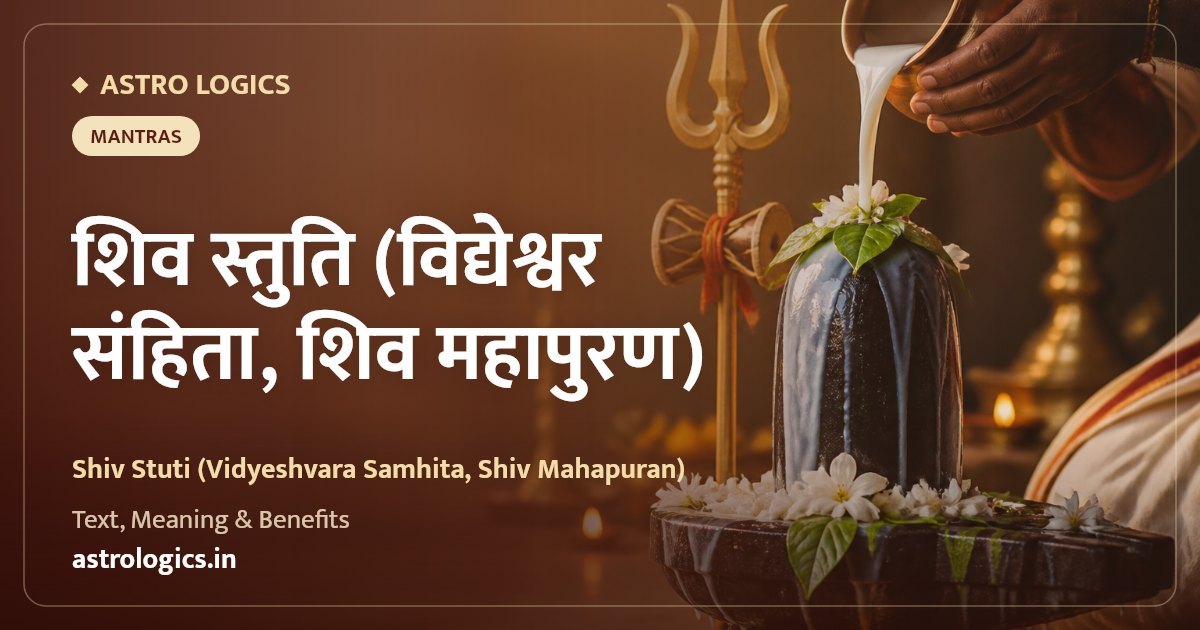
The Shiva Lingam praised in eight voices: Lingashtakam's devotional architecture
The Lingashtakam, attributed to Adi Shankaracharya, is structured as eight interlocking verses of praise - the classical ashtakam form - each of which illuminates a different facet of the Shiva Lingam's significance. The composition moves gracefully between cosmological grandeur (the Lingam worshipped by Brahma, Vishnu, and the assembled gods) and intimate devotional emotion (the Lingam as the object of a devotee's personal reverence). Shankaracharya's philosophical background as the founder of Advaita Vedanta gives the hymn a particular quality: beneath the devotional warmth lies a metaphysical understanding of the Lingam as a symbol of the formless absolute, Brahman, made accessible through a form.
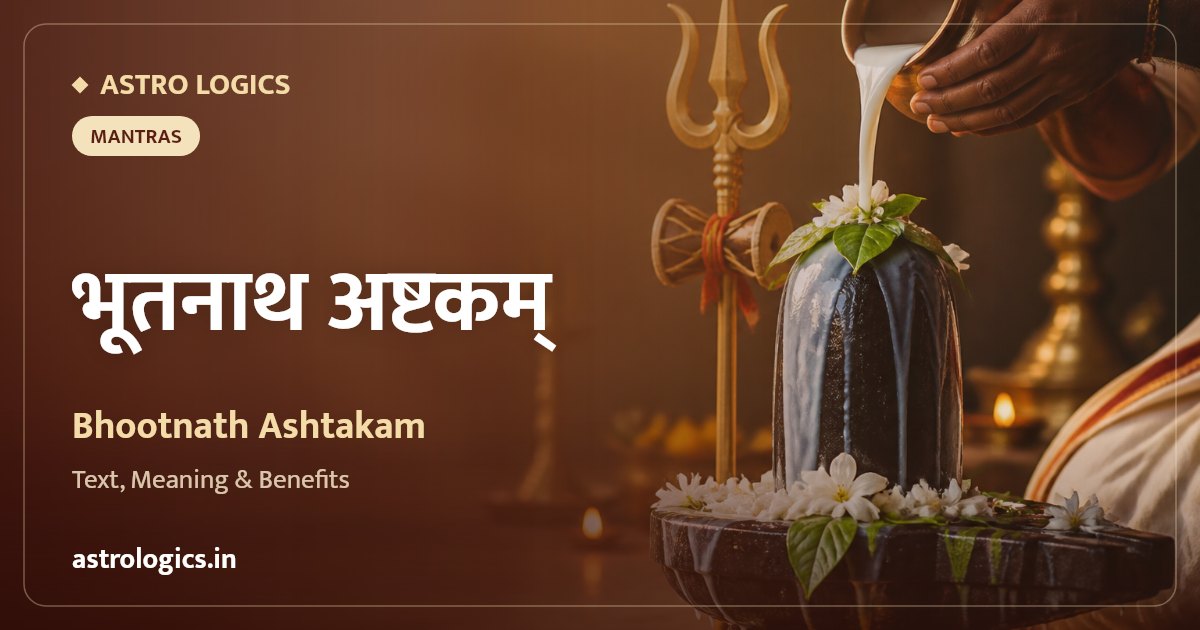
This stotram is a central feature of Shiva puja, recited during Abhishekam - the sacred bathing of the Lingam - and during the monthly observance of Pradosh Vrat and the great annual festival of Mahashivaratri. In the Jyotish tradition, Shiva is the presiding deity of Saturn (Shani), and the Lingashtakam is therefore also recited by those seeking Shani's grace or relief from its more challenging transits. The concluding verse of the ashtakam, which promises liberation to those who recite it with devotion, reflects the Shaiva conviction that the Lingam is not merely an object of worship but a living point of contact with the infinite - a belief that has sustained this stotram's place at the centre of Shiva devotion for centuries.