Madhurashtakam – Adharam Madhuram: Vallabhacharya's Ode to Krishna's Sweetness
Madhurashtakam (Adharam Madhuram) Lyrics (हिंदी में / Sanskrit Devanagari)
अधरं मधुरं वदनं मधुरं नयनं मधुरं हसितं मधुरम्।
हृदयं मधुरं गमनं मधुरं मधुराधिपतेरखिलं मधुरम्॥१॥
वचनं मधुरं चरितं मधुरं वसनं मधुरं वलितं मधुरम्।
चलितं मधुरं भ्रमितं मधुरं मधुराधिपतेरखिलं मधुरम्॥२॥
वेणुर्मधुरो रेणुर्मधुरः पाणिर्मधुरः पादौ मधुरौ।
नृत्यं मधुरं सख्यं मधुरं मधुराधिपतेरखिलं मधुरम्॥३॥
गीतं मधुरं पीतं मधुरं भुक्तं मधुरं सुप्तं मधुरम्।
रूपं मधुरं तिलकं मधुरं मधुराधिपतेरखिलं मधुरम्॥४॥
करणं मधुरं तरणं मधुरं हरणं मधुरं रमणं मधुरम्।
वमितं मधुरं शमितं मधुरं मधुराधिपतेरखिलं मधुरम्॥५॥
गुञ्जा मधुरा माला मधुरा यमुना मधुरा वीची मधुरा।
सलिलं मधुरं कमलं मधुरं मधुराधिपतेरखिलं मधुरम्॥६॥
गोपी मधुरा लीला मधुरा युक्तं मधुरं मुक्तं मधुरम्।
दृष्टं मधुरं शिष्टं मधुरं मधुराधिपतेरखिलं मधुरम्॥७॥
गोपा मधुरा गावो मधुरा यष्टिर्मधुरा सृष्टिर्मधुरा।
दलितं मधुरं फलितं मधुरं मधुराधिपतेरखिलं मधुरम्॥८॥
Madhurashtakam – Transliteration (English)
Adharam madhuram vadanam madhuram nayanam madhuram hasitam madhuram.
Hridayam madhuram gamanam madhuram madhuradhi-pater-akhilam madhuram. ||1||
Vachanam madhuram charitam madhuram vasanam madhuram valitam madhuram.
Chalitam madhuram bhramitam madhuram madhuradhi-pater-akhilam madhuram. ||2||
Venur-madhuro renur-madhurah panir-madhurah padau madhurou.
Nrityam madhuram sakhyam madhuram madhuradhi-pater-akhilam madhuram. ||3||
Gitam madhuram pitam madhuram bhuktam madhuram suptam madhuram.
Rupam madhuram tilakam madhuram madhuradhi-pater-akhilam madhuram. ||4||
Karanam madhuram taranam madhuram haranam madhuram ramanam madhuram.
Vamitam madhuram shamitam madhuram madhuradhi-pater-akhilam madhuram. ||5||
Gunja madhura mala madhura Yamuna madhura vichi madhura.
Salilam madhuram kamalam madhuram madhuradhi-pater-akhilam madhuram. ||6||
Gopi madhura lila madhura yuktam madhuram muktam madhuram.
Drishtam madhuram shishtam madhuram madhuradhi-pater-akhilam madhuram. ||7||
Gopa madhura gavo madhura yashtir-madhura srishtir-madhura.
Dalitam madhuram phalitam madhuram madhuradhi-pater-akhilam madhuram. ||8||
Meaning & Significance
The Madhurashtakam is a garland of 48 individual sweetnesses, each ending in the thunderclap refrain: madhuradhi-pater-akhilam madhuram - everything about the Lord of Sweetness is sweet. Verse by verse, Vallabhacharya moves from Krishna's body (lips, face, eyes, smile, heart, walk) outward to his words, deeds, clothing, and movements; then to his flute, the dust of his feet, his dance, and his friendship; then to his songs, his sleeping, his sandal-mark; then to the Yamuna, the lotus, the gopis, the cowherd boys, the cattle, his staff - until the entire universe dissolves into a single taste of sweetness. Theologically, the poem embodies the Pushtimarg doctrine that Krishna is the supreme beauty who makes all existence beautiful by his presence.
About the Composer
Vallabhacharya (1479–1531 CE) was a Telugu Brahmin born in present-day Chhattisgarh and educated in Varanasi, who became one of the most influential philosopher-saints of the Vaishnava tradition. He founded the Shuddhadvaita (pure non-dualism) school of Vedanta and the Pushtimarg (Path of Grace), centred on the Shrinathji form of Krishna at Nathdwara, Rajasthan. He composed major philosophical works in Sanskrit including the Anubhashya on the Brahma Sutras and the Subodhini commentary on the Bhagavata Purana. The Madhurashtakam, composed in lyrical Sanskrit, remains the best-known of his devotional compositions and is sung daily in Pushtimarg temples around the world.
About Krishna
In the Pushtimarg tradition of Vallabhacharya, Krishna at Vrindavan is the fullest and most direct self-disclosure of the divine - not a distant ruler but an immediately present, inexhaustibly beautiful beloved. The Madhurashtakam addresses this Krishna specifically as Madhuradhi-pati - the Lord of Madhura (Mathura) and simultaneously the sovereign of all that is sweet. His beauty is not merely aesthetic; in Pushtimarg theology it is the very form of ananda (bliss), and experiencing it is identical with liberation.
Spiritual Significance & Benefits
- Reciting or singing the Madhurashtakam is a recognised form of smarana - remembrance - in Pushtimarg daily worship, where it is offered as a verbal garland to the deity.
- The repetition of the word madhuram in every phrase is a contemplative technique: it trains the mind to perceive sweetness in all aspects of Krishna's being and, by extension, in all of creation.
- The stotra is traditionally recited at the conclusion of shringar (adornment) seva in Pushtimarg temples, marking the moment when the fully dressed deity is revealed to the devotee's gaze.
- Meditating on each verse while visualising the corresponding aspect of Krishna's form is a classical method of rupa-dhyana, devotional meditation on divine beauty.
- The poem's universal scope - moving from Krishna's body to the whole of creation - can shift the practitioner's perception so that everyday life begins to be experienced as a field of divine sweetness rather than suffering.
- In Vedic astrology, chanting Krishna stotras is recommended during Jupiter and Venus periods to enhance devotion, wisdom, and inner harmony.
When & How It Is Sung
The Madhurashtakam is sung at the shringar aarti (adornment worship) in all Pushtimarg haveli temples, traditionally in the early morning after the deity has been dressed in fresh clothes and jewels. It is also performed at Janmashtami, Holi (when it is recited during the festival of colours in Vrindavan), and at cultural gatherings celebrating the Bhakti poetry tradition. Musically it is set in Raga Yaman or Raga Bhairav in its classical presentations, though simpler folk-melody versions circulate widely in devotional communities.
Frequently Asked Questions
What is the meaning of Madhuradhi-pati in the refrain?
Madhuradhi-pati is a compound Sanskrit epithet meaning the Lord (pati) of Madhura (the ancient name for Mathura, Krishna's birthplace). The term also plays on the word madhura (sweet), making it simultaneously the Lord of Mathura and the Lord of all sweetness. Vallabhacharya chose this epithet deliberately to fuse Krishna's geographical identity as the divine child of Mathura with his metaphysical identity as the source of bliss.
How many verses does the Madhurashtakam contain?
The Madhurashtakam contains eight verses (ashta means eight in Sanskrit), with each verse presenting eight individual sweet attributes of Krishna before concluding with the all-embracing refrain. Together the eight verses enumerate approximately 48 distinct sweetnesses, creating a comprehensive and ecstatic portrait of the divine beloved. The number eight is also sacred in Krishna worship; he is the eighth avatar, born in the eighth month, at the eighth hour of the night.
Is the Madhurashtakam recited in daily Pushtimarg worship?
Yes, the Madhurashtakam is an integral part of the daily seva (service) at Pushtimarg haveli temples. It is recited or sung at the shringar (adornment) seva when the deity is fully dressed and the curtain is drawn back for darshan. The act of reciting the stotra at this moment is understood as offering one's sight, voice, and mind simultaneously to Krishna's beauty - a total act of loving attention.

Madhura rasa and Vallabhacharya's vision of the all-sweet Lord
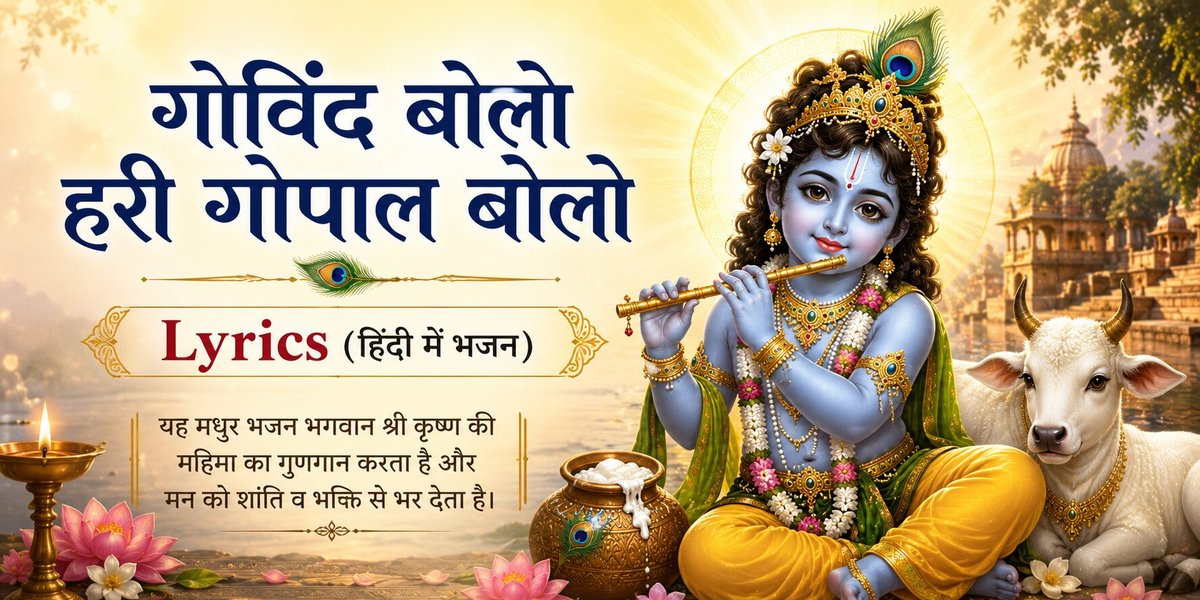
Composed by the philosopher-saint Vallabhacharya, founder of the Shuddhadvaita (Pure Non-dualism) school and the Pushti Marg tradition of devotion, the Madhurashtakam is one of the most celebrated Sanskrit hymns in all of Vaishnava literature. Its singular genius lies in how it meditates on madhuratā - sweetness - as the essential, all-pervading quality of Shri Krishna. From the Lord's lips to his flute, from his gait to his glance, every aspect is held up as an inexhaustible fountain of divine sweetness. This is not a casual compliment; in the Pushti Marg framework, sweetness is understood as a theological reality - the very nature of Brahman when encountered through the lens of loving grace.
Devotees in the Pushti Marg tradition recite the Madhurashtakam during morning worship and seasonal festivals, particularly around Janmashtami and the spring celebrations associated with Holi, when the mood of playful, intimate love between the devotee and Krishna reaches its peak. The ashtakam's metre and its cumulative, almost rhythmic refrain of sweetness draw the mind naturally into madhurya bhakti, the rasa of tender, beloved-style devotion. For sadhaks on this path, chanting it is not merely recitation but an act of entering Krishna's sweetness itself - a brief but profound moment of union through the music of language.