Shri Hanuman Stavan (Hanuman Namaskarah) - Sanskrit Salutations
Shri Hanuman Stavan (Hanuman Namaskarah) - Sanskrit Text
सोरठा -
प्रनवउँ पवनकुमार खल बन पावक ज्ञानघन ।
जासु हृदय आगार बसहिं राम सर चाप धर ॥१॥
अतुलितबलधामं हेमशैलाभदेहम् ।
दनुजवनकृशानुं ज्ञानिनामग्रगण्यम् ॥२॥
सकलगुणनिधानं वानराणामधीशम् ।
रघुपतिप्रियभक्तं वातजातं नमामि ॥३॥
श्रीहनुमन्नमस्कारः -
गोष्पदीकृतवारीशं मशकीकृतराक्षसम् ।
रामायणमहामालारत्नं वन्देऽनिलात्मजम् ॥४॥
अञ्जनानन्दनं वीरं जानकीशोकनाशनम् ।
कपीशमक्षहन्तारं वन्दे लङ्काभयङ्करम् ॥५॥
महाव्याकरणाम्भोधिमन्थमानसमन्दरम् ।
कवयन्तं रामकीर्त्या हनुमन्तमुपास्महे ॥६॥
उल्लङ्घ्य सिन्धोः सलिलं सलीलं यः शोकवह्निं जनकात्मजायाः ।
आदाय तेनैव ददाह लङ्कां नमामि तं प्राञ्जलिराञ्जनेयम् ॥७॥
मनोजवं मारुततुल्यवेगं जितेन्द्रियं बुद्धिमतां वरिष्ठम् ।
वातात्मजं वानरयूथमुख्यं श्रीरामदूतं शरणं प्रपद्ये ॥८॥
आञ्जनेयमतिपाटलाननं काञ्चनाद्रिकमनीयविग्रहम् ।
पारिजाततरुमूलवासिनं भावयामि पवमाननन्दनम् ॥९॥
यत्र यत्र रघुनाथकीर्तनं तत्र तत्र कृतमस्तकाञ्जलिम् ।
बाष्पवारिपरिपूर्णलोचनं मारुतिं नमत राक्षसान्तकम् ॥१०॥
Transliteration (Roman/IAST)
Sorṭhā -
Pranavauṁ pavanakumāra khala bana pāvaka jñānaghana |
Jāsu hṛdaya āgāra basahiṁ rāma sara cāpa dhara ||1||
Atulitabaladhāmaṁ hemaśailābhadeham |
Danujavanakṛśānuṁ jñānināmagragaṇyam ||2||
Sakalaguṇanidhānaṁ vānarāṇāmadhīśam |
Raghupatipriyabhaktaṁ vātajātaṁ namāmi ||3||
Goṣpadīkṛtavārīśaṁ maśakīkṛtarākṣasam |
Rāmāyaṇamahāmālāratnaṁ vande'nilātmajam ||4||
Añjanānandanaṁ vīraṁ jānakīśokanāśanam |
Kapīśamakṣahantāraṁ vande laṅkābhayaṅkaram ||5||
Mahāvyākaraṇāmbhodhimanthamānasamandaram |
Kavayantaṁ rāmakīrtyā hanumantamupāsmahe ||6||
Ullaṅghya sindhoḥ salilaṁ salīlaṁ yaḥ śokavahniṁ janakātmajāyāḥ |
Ādāya tenaiva dadāha laṅkāṁ namāmi taṁ prāñjalirāñjaneyam ||7||
Manojavaṁ mārutatulyavegaṁ jitendriyaṁ buddhimatāṁ variṣṭham |
Vātātmajaṁ vānarayūthamukhyaṁ śrīrāmadūtaṁ śaraṇaṁ prapadye ||8||
Āñjaneyamatipāṭalānanaṁ kāñcanādrikamanīyavigraham |
Pārijātatarumūlavāsinaṁ bhāvayāmi pavamānanandanam ||9||
Yatra yatra raghunāthakīrtanaṁ tatra tatra kṛtamastakāñjalim |
Bāṣpavāriparipūrṇalocanaṁ mārutiṁ namata rākṣasāntakam ||10||
Meaning
This stavan gathers the most celebrated Sanskrit salutations to Hanuman. The opening sortha of Tulsidas bows to the son of the Wind, a fire to the forest of the wicked, dense with wisdom, in whose heart dwells Rama with bow and arrows. The next verses hail him as the abode of immeasurable strength, golden-hued like Mount Meru, a fire that consumes the forest of demons, foremost among the wise, the treasury of all virtues, lord of the vanaras and beloved devotee of Raghupati. The Hanuman Namaskarah verses salute him who reduced the ocean to a cow's hoofprint and the demons to mosquitoes, the jewel in the great garland of the Ramayana, the destroyer of Janaki's sorrow, the terror of Lanka, and the master of grammar churned from the ocean of learning. The famous verse 'Manojavam Maruta-tulya-vegam' takes refuge in Hanuman - swift as thought, fleet as the wind, master of the senses, foremost among the wise, the messenger of Rama. The closing verse bows to him who, wherever Rama's glory is sung, stands with folded hands and tear-filled eyes.
About this Stotra/Mantra
The Shri Hanuman Stavan, also called the Hanuman Namaskarah, is a compact anthology of classical Sanskrit verses in praise of Hanuman, drawn from traditional sources and widely recited as a daily salutation. It includes Tulsidas's invocatory sortha and the cherished 'Manojavam Maruta-tulya-vegam' verse used as a meditation on Hanuman before reciting the Sundara Kanda or the Hanuman Chalisa.
Significance & Spiritual Benefits
Reciting these salutations is believed to bestow strength, fearlessness, devotion and the swift grace of Hanuman. Because the verses dwell on his wisdom, mastery of grammar and unwavering Rama-bhakti, they are especially favoured by students, devotees seeking courage, and those beginning a recitation of the Ramayana. The stavan purifies the mind and surrenders the devotee to Hanuman's protection.
Astrological Relevance
Hanuman is the presiding deity for Saturn (Shani) and a powerful remedy for Mars (Mangal). His salutations are recited during Sade Sati and Shani dasha for protection and relief, and for those with Mangal Dosha or an afflicted Mars seeking courage and discipline. As the embodiment of controlled strength and the conquered senses (jitendriya), this stavan also supports spiritual discipline and steadiness of mind.
How to Chant (Vidhi)
After bathing, sit before an image of Hanuman and light a lamp. Offer red flowers, sindoor and a garland. Recite the verses calmly with devotion; the 'Manojavam' verse is ideal as an opening meditation before the Hanuman Chalisa or Sundara Kanda. Conclude with a bow and a prayer for strength and protection.
Best Day & Time
Tuesday and Saturday are most auspicious, with dawn and dusk preferred. The verses may also be chanted before any recitation of Rama's glory. Hanuman Jayanti is the most powerful occasion.
Frequently Asked Questions
What is the 'Manojavam Maruta-tulya-vegam' verse?
It is a famous Sanskrit dhyana verse to Hanuman, describing him as swift as thought and the wind, master of his senses, foremost among the wise and the messenger of Rama. It is traditionally recited before the Sundara Kanda and Hanuman Chalisa.
Is the Hanuman Stavan in Sanskrit or Hindi?
The Stavan is mostly in classical Sanskrit, with Tulsidas's opening sortha in Awadhi. All of it is traditional and in the public domain.
Can I recite this every day?
Yes. It is short, classical and suitable for daily salutation, especially on Tuesdays and Saturdays or before reading the Ramayana.
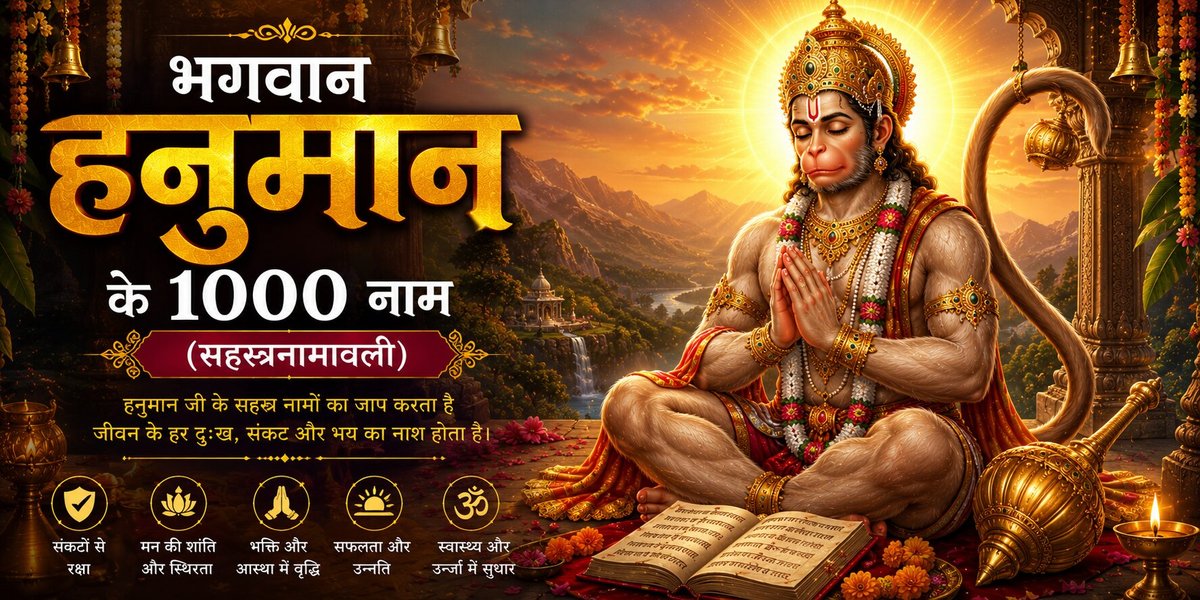
Saluting the wind's son: layers of meaning in these classical Hanuman verses
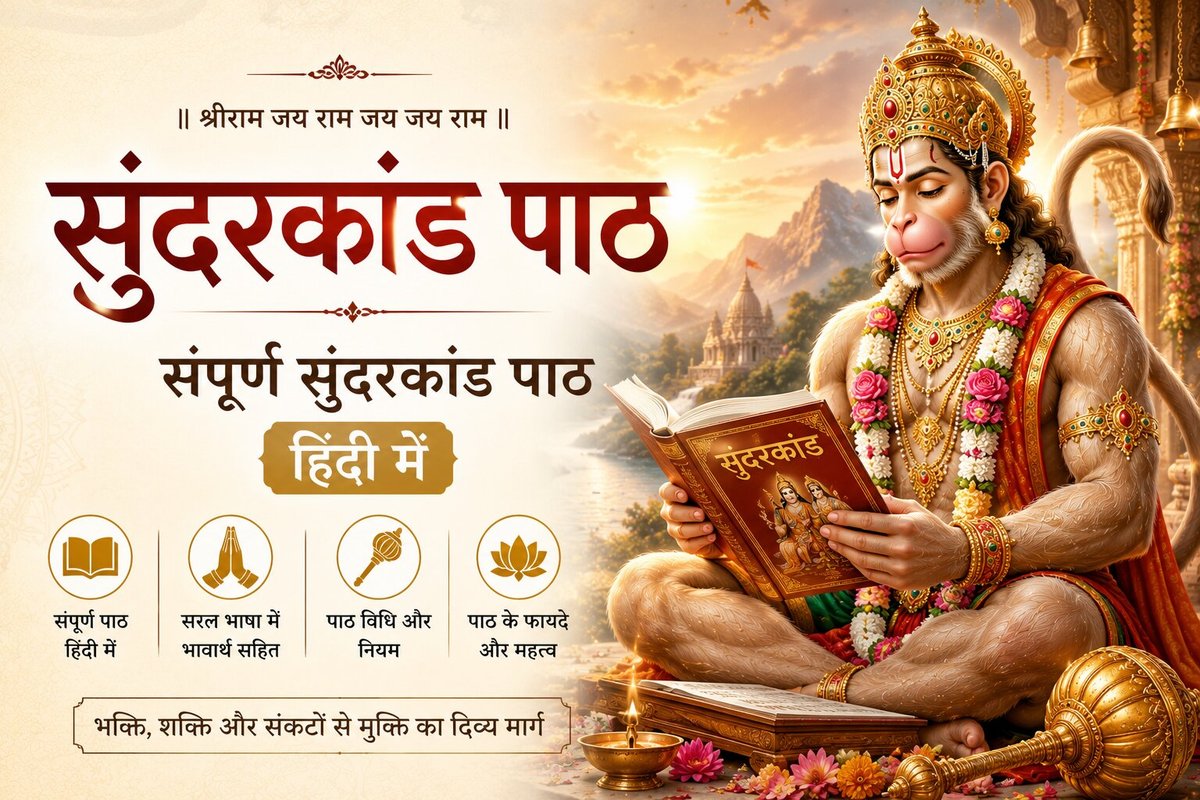
The Shri Hanuman Stavan gathers some of the most concentrated and widely loved Sanskrit salutations to Hanuman into a single devotional sequence. Among them, the Manojavam Maruta-tulya-vegam verse occupies a place of special reverence - a verse of refuge that salutes Hanuman as swift as thought, swift as the wind, master of the senses, chief among those of discerning intellect, and the breath of the monkey clan. Its layered meanings have been meditated upon across generations: at the surface it is praise, but at its heart it is a description of the ideal disciple, the one who has united physical courage with the subtlest inner steadiness. The inclusion of Tulsidas's opening sortha situates the stavan within the great bhakti current of the Ramcharitmanas tradition.
In the Jyotish tradition, Hanuman is considered a powerful graha-shanti deity for both Shani (Saturn) and Mangal (Mars) - his unflinching courage addressing Mars's excesses, his patient service to Rama pacifying Saturn's demand for humility and karma-consciousness. These salutations are traditionally recited on Tuesdays and Saturdays, at dawn or during the Brahma muhurta, often as a daily protection practice. Devotees believe that holding these names of Hanuman in the mind creates an inner refuge that is difficult to rattle - a quality the verse itself encodes in its portrait of the one who is vajra deham, body firm as the thunderbolt.