Sri Hanuman Hridaya Malika: Sanskrit Text, Meaning & Benefits
Sri Hanuman Hridaya Malika - Sanskrit Text
प्रेमभक्तिं मुक्तिं शक्तिं सर्वसिद्धिं प्रदायकम् ।
शिवरूपं परमशिवं सर्वशिवं जयो जयः ॥
पवन पुत्र हनुमान विचित्र । कृपा कटाक्ष अत्र तत्र सर्वत्र ॥१॥
परम वैष्णव राम शुद्ध भक्त । विशाल देह तुम अतीव शक्त ॥२॥
करि अंजनी माता कठिन तप । पवनाहार देहे दिव्य उत्ताप ॥३॥
सप्त चिरंजीवी नामे तुम ख्यात । रुद्र दिव्य अंशु होइ तुमे जात ॥४॥
तुमे हि सदा सदा श्रीराम दास । भजुछ राम तुमे प्रत्येक श्वास ॥५॥
राम लक्ष्मण माता सीता सहित । धारण करि तुमे हृदये नित ॥६॥
हृदय फाड़ि तुम देल प्रमाण । करइ तुम हृदे राम धारण ॥७॥
अशोक बने तुमे कल उत्पात । वृक्ष ताडि पूणि असुर संतप्त ॥८॥
सीता मातान्कु कल तुमे दरशन । प्रभुन्क अंगूठि देइ देल प्रमाण ॥९॥
करुणा निधान नाम मुखे उचारइ । जानकी माता नयनु लोतक झरइ ॥१०॥
करिल पूणि तुमे लंका दहन । तुम प्रकोपे धरणी प्रकंपन ॥११॥
स्वर्णर लंका हेला छारखार । रावण सेना भये थरहर ॥१२॥
कर्णरे कुंडल तुम कुंचित केश । मने तुम चिन्तन सदा श्रीनिवास ॥१३॥
हस्ते दिशे गदा अत्यन्त सुशोभित । सिंदूर मुख तुम दिशइ प्रशांत ॥१४॥
बाल काले तुमे भानु पाशे जाई । बाल सुलभ मन खाद भाबई ॥१५॥
एकशत अष्ट धरा व्यास जाहिँ । चक्षु पलके तुमे पार करइ ॥१६॥
शनि होइ तुम प्रिय मित्र हनुमान । तुम नाम नेले जेह्ने हुअइ प्रसन्न ॥१७॥
उठाइल पर्वत गंधमार्धन । ओषधे पोषणे जीवित लक्ष्मण ॥१८॥
अर्जुन रथ उर्धे तुमे बिराजील । राम नाम तुमे सदा हृदे धरिल ॥१९॥
अंजनी पुत्र केशरी सुनन्दन । तुम कृपे मिलइ राम मोहन ॥२०॥
तुमरि नाम नेले सबु संकट दूर । जय जय जय हनुमान महावीर ॥२१॥
तुम स्तुति कले हुए आत्म उन्नति । हृदये प्रष्पुटित सदा प्रभुभक्ति ॥२२॥
भूत असुर सबु जेते मंद शक्ति । तुम नामे नेले टले महा विपत्ति ॥२३॥
तुम कृपारे हरि भक्ति हुए प्राप्ति । अनन्त जनम कलेसू हुए मुक्ति ॥२४॥
संकट मोचन जय हनुमान । बजरंगबली महा बलवान ॥२५॥
भक्ति मुक्ति तुमे महाप्रीति दाता । तुम कृपे तरे भक्त महारास्ता ॥२६॥
हिमालय गिरी होइ तुम तपभूमि । राम प्रीत योगे लीन हनुमन्त स्वामी ॥२७॥
भविष्य कल्परे तुम सृष्टि कर्ता होइ । चतुरानन रूपे सृजन करइ ॥२८॥
मुक्त पुरुष रुद्र जय हनुमन्त । पारुनि कही तुम लीला अनन्त ॥२९॥
जय हनुमान दिव्य मारुती । करूअछि मुहिँ तुमर आरती ॥३०॥
कहते कृष्णदास तुम दिव्य गाथा । हरि शरणे सदा रखी मूढ़ मथा ॥३१॥
हरि दर्शन मिलन प्रेम आशा । तुम दयारे पूरे सर्व पिपासा ॥३२॥
सद्गुरु रुपे तुमे होइण प्रकट । दिअ ज्ञान दूर कर महासंकट ॥३३॥
जेउँ नारी करइ पाठ एहा नित । संसार सुखमय स्वामी प्रीति प्राप्त ॥३४॥
विद्यार्थी जन करि एहा अध्ययन । सफल सिद्धि प्रापत सुखी जीवन ॥३५॥
संत साधव कले एहा पठन । हुए अविलम्बे हरि दरशन ॥३६॥
तरुणी कन्या पढ़ी हनुमान मालिका । मिले दिव्य ज्ञानी पति हुअइ सेविका ॥३७॥
श्रीराम जय राम जय जय राम । संकट मोचन जय सीता राम ॥३८॥
श्रीमालिका हनुमान हृदय । कहे कृष्णदास भक्त तनय ॥३९॥
प्रभु चरणे रहू सदा ता मन । प्रभु चिन्तने जाउ पुरा जीबन ॥४०॥
हनुमन्तं रामभक्तं रुद्रअंशं ब्रह्मचारीं ।
पवनसुतं मारुतीं तव पदौ नमामि ॥
॥ इति श्रीकृष्णदासविरचिता 'श्रीहनुमान हृदय मालिका' सम्पूर्णा ॥
Transliteration (Roman/IAST)
prema-bhaktiṁ muktiṁ śaktiṁ sarva-siddhiṁ pradāyakam |
śiva-rūpaṁ parama-śivaṁ sarva-śivaṁ jayo jayaḥ ||
pavana putra hanumāna vicitra | kṛpā kaṭākṣa atra tatra sarvatra ||1||
parama vaiṣṇava rāma śuddha bhakta | viśāla deha tuma atīva śakta ||2||
(verses 3–40 continue in the same simple devotional metre, narrating Hanuman's birth, his service to Rama, the burning of Lanka, his rescue of Lakshmana, his friendship with Shani, and the fruits of reciting this garland)
hanumantaṁ rāma-bhaktaṁ rudra-aṁśaṁ brahmacārīṁ |
pavana-sutaṁ mārutīṁ tava padau namāmi ||
Meaning
The opening verse salutes Hanuman as the bestower of loving devotion, liberation, strength and every spiritual attainment - the very form of Shiva, the supreme auspicious one: victory, victory to him! The garland then unfolds as a flowing narrative of praise.
It hails Hanuman, the wondrous son of the Wind-god, whose merciful glance falls everywhere; the pure Vaishnava and devotee of Rama, of vast and mighty form, born of Mother Anjani's severe penance and bearing within him a divine spark of Rudra. He is Rama's servant in every breath, holding Rama, Lakshmana and Sita forever in his heart - which he tore open to prove that the Lord dwells within. The verses recount his exploits in the Ashoka grove, his showing of Rama's ring to Sita, the burning of golden Lanka that made the earth tremble, and the terror it struck into Ravana's army. They picture his form - earrings, curled hair, the mace in his hand, his vermillion-smeared serene face - and recall how as a child he leapt toward the sun, and how he is the dear friend of Shani (Saturn), pleased by whose name suffering is removed.
He uplifted the Gandhamadana mountain and revived Lakshmana with the healing herb; he sat upon Arjuna's chariot-banner. The garland then turns to the devotee, promising that uttering his name dispels every danger, that his praise brings inner upliftment and unshakeable devotion, that great calamities dissolve, and that through his grace one attains devotion to Hari and, across many lifetimes of effort, liberation. The composer Krishnadas closes by declaring the fruits of this Malika for women, students, saints and seekers alike, and prays that his mind may forever rest at the Lord's feet, his whole life passing in remembrance of God. The final verse bows to Hanuman - devotee of Rama, a portion of Rudra, the celibate, son of the Wind: "at your two feet I offer my obeisance."
About this Stotra
The Sri Hanuman Hridaya Malika - the "Heart-Garland of Hanuman" - is a devotional composition of forty verses attributed to a devotee named Krishnadas, who signs his name in the closing verses. Written in a simple, heartfelt mix of Sanskrit and vernacular (with a distinctly eastern, Odia-influenced flavour), it is a mala (garland) of praise that strings together the whole life and glory of Hanuman: his divine birth, his single-minded service to Rama, his heroic deeds in the Ramayana, his cosmic associations, and the blessings he grants his devotees. The hymn is framed by two Sanskrit invocation-verses at the beginning and end. (This appears to be a traditional folk-devotional composition passed down in the bhakti stream; the bhaktibharat source presents the complete text publicly and it is reproduced faithfully here.)
Significance & Spiritual Benefits
Like the Hanuman Chalisa, this Malika is recited as a complete devotional package - a single sitting offering remembrance of all of Hanuman's glories. The verses themselves promise its fruits: the removal of every danger and calamity (sankata), protection from evil spirits and negative forces, inner upliftment and the blossoming of steadfast devotion, success for students, domestic happiness for householders, and ultimately devotion to Hari leading to liberation. As Hanuman is the supreme symbol of strength, fearlessness, celibate self-control and selfless service, chanting his Hridaya Malika is held to instil courage, dissolve fear and anxiety, and kindle one-pointed devotion to Lord Rama.
Astrological Relevance
Hanuman is the foremost deity for remedying Saturn (Shani) and Mars (Mangala). The Malika itself names Hanuman as the "dear friend of Shani" - recalling the legend in which Hanuman freed Saturn from Ravana's captivity, and Shani in gratitude promised to spare Hanuman's devotees his harshness. For this reason Hanuman worship is the classic remedy during Sade Sati, the dhaiya, and any affliction of Saturn. As a being of immense valour and physical might, Hanuman is also the great pacifier of Mangal Dosha and an afflicted, debilitated or malefic Mars - granting courage, protection from enemies and accidents, and relief in disputes. Devotees facing these planetary troubles, or the fear and obstacles signified by a weak ascendant or a difficult eighth house, recite Hanuman stotras such as this Malika on Tuesdays and Saturdays as a powerful protective remedy.
How to Chant (Vidhi)
Bathe and sit before an image of Hanuman, facing east. Light a lamp of til (sesame) oil or ghee, offer sindoor (vermillion), red flowers, and a garland, and place a few jaggery-and-gram or boondi laddoos as naivedya. Begin with "Sri Ram Jai Ram" or the Hanuman dhyana, then recite the Hridaya Malika with devotion, ideally aloud. Reciting it daily, or in a cycle of eleven Tuesdays, is especially favoured. Conclude with aarti and pranams, and distribute the prasad. Maintaining cleanliness and a vegetarian, sattvic discipline strengthens the practice, in keeping with Hanuman's celibate purity.
Best Day & Time
Tuesday (Mangalvara) and Saturday (Shanivara) are the most auspicious days for Hanuman worship - Tuesday for his connection with Mars and valour, Saturday for his friendship with Shani. The early-morning brahma-muhurta and dusk are the best times. Hanuman Jayanti is supremely powerful for reciting this and other Hanuman hymns.
Frequently Asked Questions
Who composed the Hanuman Hridaya Malika?
It is attributed to a devotee named Krishnadas, who signs his name in the closing verses. It is a traditional bhakti composition - a forty-versed "garland of the heart" praising Hanuman - passed down in the devotional stream and recited much like the Hanuman Chalisa.
How is it different from the Hanuman Chalisa?
Both are devotional garlands recounting Hanuman's glories and granting his protection. The Chalisa, by Tulsidas, has forty chaupais in Awadhi; the Hridaya Malika is a separate forty-verse composition by Krishnadas in a simple Sanskrit-vernacular blend, with its own narrative flow and Sanskrit invocation verses.
Why is Hanuman linked with Saturn?
According to legend, Hanuman rescued Shani (Saturn) from Ravana's captivity, and a grateful Shani vowed to spare Hanuman's devotees his severity. This is why Hanuman worship - including hymns like this Malika - is the classic remedy for Sade Sati and other Saturn-related difficulties.
A garland from the heart: the bhakti rasa of the Hridaya Malika
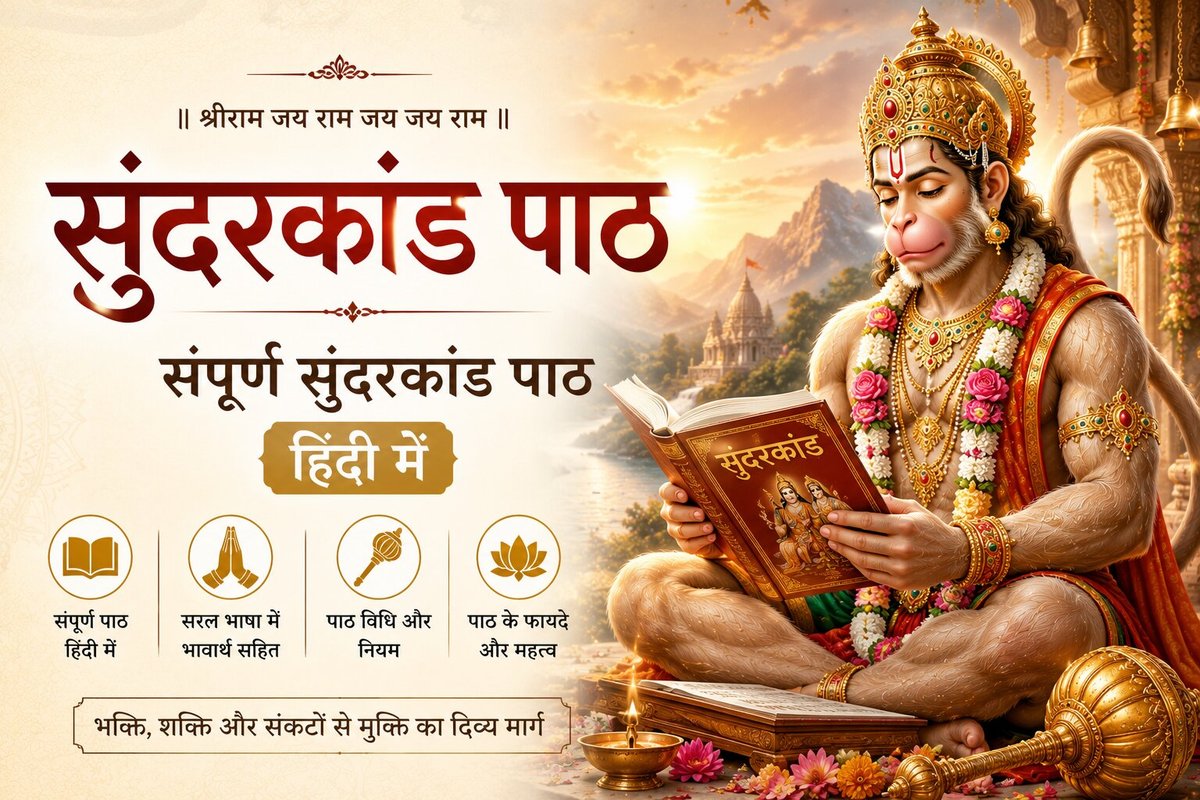
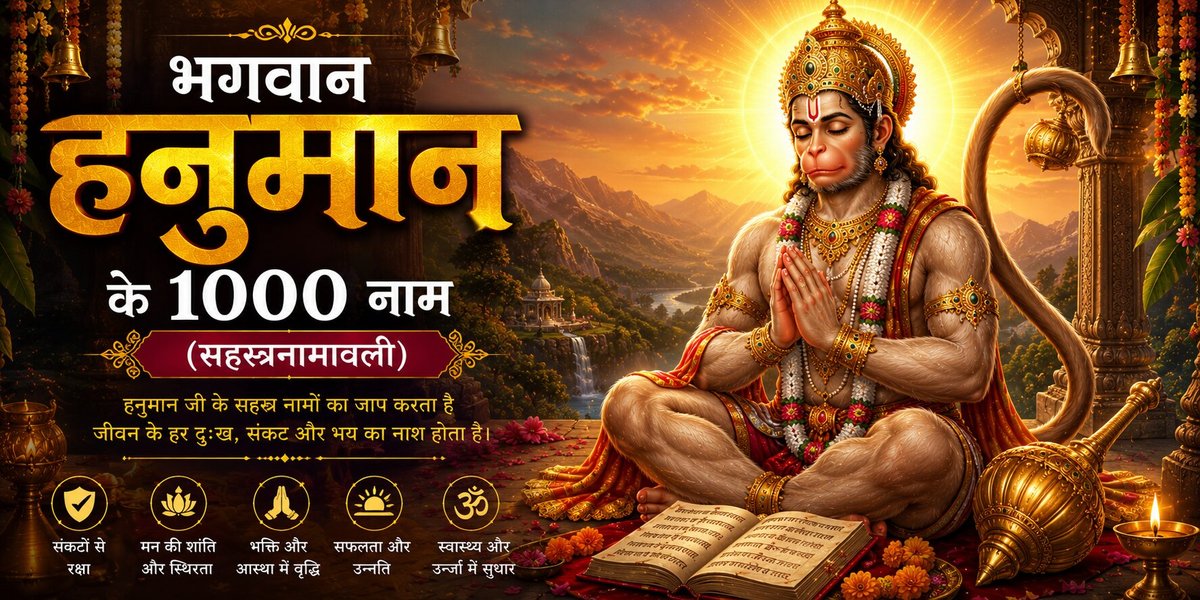
The very title of this composition - Hridaya Malika, a garland of the heart - signals its intimate, devotion-saturated character. Where many Hanuman stotras focus on the heroic or the protective, the Hridaya Malika dwells with particular tenderness on the emotional landscape of Hanuman's devotion: his utter surrender to Rama, the joy of his service, the way his courage and his love are really a single inseparable force. Attributed in the tradition to a devotee named Krishnadas, the forty verses are understood as the outpouring of one who has closely contemplated Hanuman not only as a miracle-worker but as the supreme example of dasya bhakti - the path of joyful servitude to the Divine. For devotees on a similar path, reciting the Hridaya Malika becomes a way of inwardly aligning with that mood of selfless love.
In the Jyotish tradition, Hanuman is linked with both Saturn (Shani) and Mars (Mangala) - the former because Tuesday and Saturday are his sacred days and his worship is widely regarded as a powerful means of easing the intensity of Shani's lessons, the latter because of his martial courage and invincible strength. Devotees who recite the Hridaya Malika on Tuesdays at dawn, especially during Hanuman Jayanti or in the Rama-navami season, believe it opens the heart to genuine dasya bhakti while bringing both inner fearlessness and worldly protection. The warmth of this particular hymn makes it equally at home in a quiet personal puja as in a communal katha setting.