Shiv Mantra: Sacred Mantras of Lord Shiva with Meaning
Shiv Mantra — Sanskrit Text
Shiva Mula (Panchakshari) Mantra
ॐ नमः शिवाय ॥
Mahamrityunjaya Mantra
ॐ त्र्यम्बकं यजामहे सुगन्धिं पुष्टिवर्धनम् ।
उर्वारुकमिव बन्धनान् मृत्योर्मुक्षीय माऽमृतात् ॥
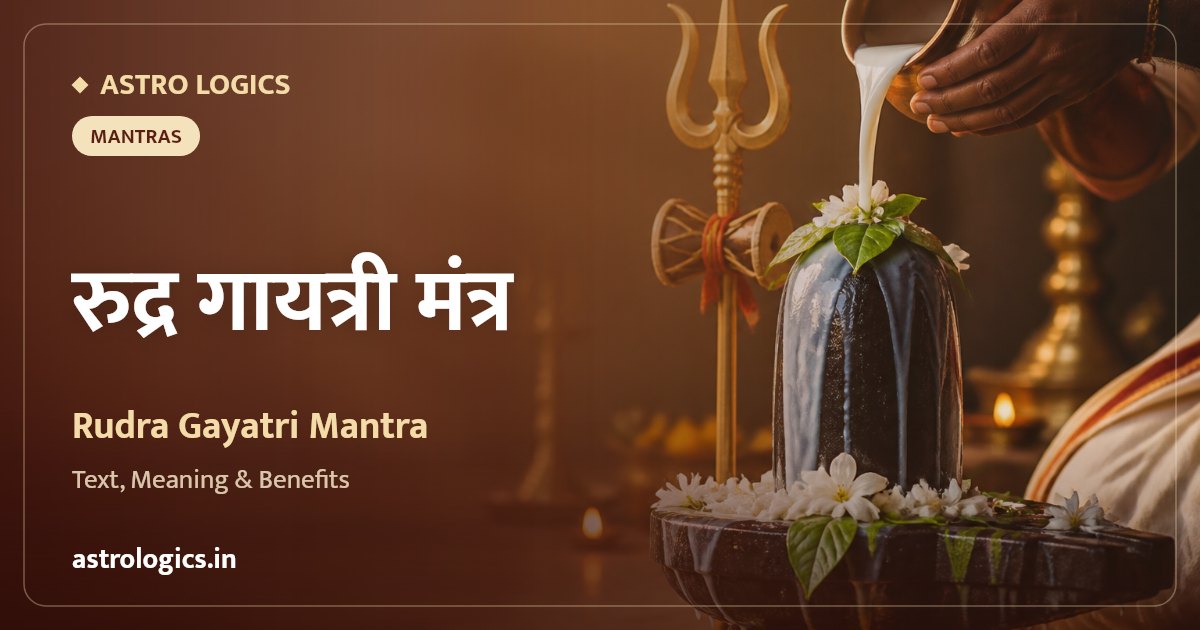
Rudra Gayatri Mantra
ॐ तत्पुरुषाय विद्महे महादेवाय धीमहि ।
तन्नो रुद्रः प्रचोदयात् ॥
Shiva Gayatri Mantra
ॐ महादेवाय विद्महे रुद्रमूर्तये धीमहि ।
तन्नः शिवः प्रचोदयात् ॥
Mrityunjaya Mahadeva Mantra
ॐ मृत्युञ्जय महादेव त्राहि मां शरणागतम् ।
जन्ममृत्युजराव्याधिपीडितं कर्मबन्धनैः ॥
Dakshinamurti Shiva Mantra
ॐ नमो भगवते दक्षिणामूर्तये ।
मह्यं मेधां प्रज्ञां प्रयच्छ स्वाहा ॥
Nilakantha Mahadeva Mantra
ॐ नमो नीलकण्ठाय ॥
Transliteration (Roman/IAST)
Shiva Mula Mantra: oṃ namaḥ śivāya ||
Mahamrityunjaya: oṃ tryambakaṃ yajāmahe sugandhiṃ puṣṭivardhanam | urvārukamiva bandhanān mṛtyormukṣīya mā'mṛtāt ||
Rudra Gayatri: oṃ tatpuruṣāya vidmahe mahādevāya dhīmahi | tanno rudraḥ pracodayāt ||
Shiva Gayatri: oṃ mahādevāya vidmahe rudramūrtaye dhīmahi | tannaḥ śivaḥ pracodayāt ||
Mrityunjaya Mahadeva: oṃ mṛtyuñjaya mahādeva trāhi māṃ śaraṇāgatam | janmamṛtyujarāvyādhipīḍitaṃ karmabandhanaiḥ ||
Dakshinamurti: oṃ namo bhagavate dakṣiṇāmūrtaye | mahyaṃ medhāṃ prajñāṃ prayaccha svāhā ||
Nilakantha: oṃ namo nīlakaṇṭhāya ||
Meaning
Om Namah Shivaya — “I bow to Shiva.” This five-syllabled (panchakshari) mantra is the heart of Shiva worship, an affirmation of surrender to the auspicious Supreme Self.
Mahamrityunjaya — “We worship the three-eyed One (Tryambaka), fragrant and nourishing all beings. As the cucumber is freed from its stalk, may He free us from death for the sake of immortality — but not from immortality (liberation).” This is the great death-conquering mantra from the Rig Veda.
Rudra and Shiva Gayatri — meditative invocations: “May we know the Supreme Person, may we contemplate Mahadeva; may Rudra/Shiva inspire and impel us.”
Mrityunjaya Mahadeva — “O death-conquering Mahadeva, protect me who have taken refuge in you, tormented as I am by birth, death, old age and disease, and bound by karma.”
Dakshinamurti — “Salutations to the Lord as Dakshinamurti, the silent teacher; grant me sharp intellect and wisdom.” Nilakantha — “Salutations to the blue-throated One,” who drank the world’s poison.
About these Mantras
Lord Shiva — Mahadeva, Rudra, Shankara — is the supreme deity of dissolution, transformation, asceticism and grace. His mantras range from the simple, all-sufficient Panchakshari (“Om Namah Shivaya”) to the Vedic Mahamrityunjaya, revered as the greatest mantra for healing and protection from untimely death. The Gayatri forms are used for meditation and inner illumination, while the Dakshinamurti mantra invokes Shiva as the silent guru of supreme knowledge. Together they form a complete toolkit for the devotee of Mahadeva.
Significance & Spiritual Benefits
“Om Namah Shivaya” purifies the mind, dissolves ego and is suitable for continuous japa by anyone. The Mahamrityunjaya mantra is chanted for healing serious illness, longevity, protection from accidents and danger, and peace for the departed; it is the foremost mantra of the “Mrityunjaya” (conqueror of death) tradition. The Gayatris cultivate clarity and spiritual insight, the Dakshinamurti mantra sharpens intellect and memory, and the Nilakantha mantra is invoked to neutralise “poison” — toxins, crises and negativity — in life. Regular chanting brings courage, equanimity, protection and a steady mind.
Astrological Relevance
Shiva is the planetary lord invoked for remediation of Saturn (Shani) and the Moon (Chandra). The Mahamrityunjaya mantra is the premier remedy for an afflicted 8th house, Maraka and Gandanta conditions, severe illness, and the difficult phases of Sade-Sati and the Shani or Rahu–Ketu periods. “Om Namah Shivaya” steadies the mind and is excellent for a weak or afflicted Moon, calming anxiety and emotional turbulence. The Dakshinamurti mantra strengthens Mercury and Jupiter (intellect and wisdom). As Nilakantha, the holder of poison, Shiva is invoked against Kala Sarpa and toxic, crisis-laden yogas. Mondays and the Pradosha hour are the classic windows for all these remedies.
How to Chant (Vidhi)
After bathing, sit facing east or north before a Shiva lingam or image. Offer water, bilva (bael) leaves, white flowers, sandal and dhoop, and light a lamp. Begin with “Om Namah Shivaya,” then chant your chosen mantra in cycles of 11, 21 or 108 using a rudraksha mala. The Mahamrityunjaya is traditionally repeated 108 times (or in larger sankalpas for healing), ideally with abhisheka (pouring water or milk over the lingam). Maintain cleanliness, a calm mind and steady pronunciation. For serious healing intentions, a 40-day anushthana is common.
Best Day & Time
Mondays (Somvar), Pradosha (the 13th tithi), Maha Shivaratri and the entire month of Shravan are the most auspicious. Brahma-muhurta (pre-dawn) and the evening Pradosha twilight are the ideal hours. The Mahamrityunjaya may be chanted at any time of distress or illness.
Frequently Asked Questions
Which Shiv mantra is best for beginners?
“Om Namah Shivaya,” the five-syllabled Panchakshari mantra, is the simplest and most complete. It can be chanted by anyone, at any time, without special initiation.
What is the Mahamrityunjaya mantra used for?
It is the great death-conquering mantra, chanted for healing illness, longevity, protection from danger and untimely death, and for peace and well-being — both for oneself and others.
Do I need initiation to chant these Shiva mantras?
The Panchakshari and Mahamrityunjaya can be chanted by any sincere devotee. For intensive, count-based anushthanas with specific goals, guidance from a guru is beneficial but the simple devotional japa needs no formal diksha.
Why Shiva's mantras span the full range of the devotional life
A collection of Shiva mantras is not simply a playlist of powerful sounds; it is a map of the many ways a human heart can approach the infinite. The short, rhythmic Panchakshari Om Namah Shivaya suits the devotee who wants a constant companion through the day, something that can be breathed rather than just recited. The expansive Rudra Gayatri invites the intellect to rest in divine luminosity. The Dakshinamurti mantra calls upon Shiva as the silent teacher, the guru who transmits wisdom without speech. Each mantra corresponds to a distinct rasa or devotional mood - awe, surrender, contemplation, gratitude - and a sincere practitioner may find that different compositions speak to them in different seasons of life.
In the Jyotish tradition, Shiva mantras carry a particular significance for the Moon and Saturn: the Moon, because Shiva wears the crescent Moon as an ornament and his grace is invoked when the mind is disturbed or anxious; Saturn, because his fierce Rudra aspect resonates with Saturn's austere, transformative energy, and chanting Shiva mantras is traditionally recommended as a remedy when Shani's influence creates heaviness or delay. Practitioners are advised to choose Friday or Monday as their primary day of practice, to bathe before sitting, and to hold a steady intention throughout. Devotees believe that sustained practice of even one of these mantras can slowly thin the veil between ordinary awareness and the deeper stillness that is Shiva's own nature.