Shri Ardhanariswara Sahasranamavali: 1000 Names, Meaning & Benefits
Shri Ardhanariswara Sahasranamavali - Sanskrit Text (Opening Excerpt)
Note: The complete namavali contains one thousand names. A verified opening portion is reproduced below; for a full traditional sadhana, recite the complete text from an authorised edition. The names alternate between Ardhanariswara's Shiva-half (ending in the masculine, e.g. -āya namaḥ) and Devi-half (ending in the feminine, e.g. -yai namaḥ).
ॐ अखण्डमण्डलाकाराय नमः।
ॐ अखिलाण्डेकनायिकायै नमः।
ॐ अमरेन्द्रार्चितपदाय नमः।
ॐ अमरारिनिषूदिन्यै नमः।
ॐ अनादिनिधनाय नमः।
ॐ अनन्तकोटिसूर्यसमप्रभायै नमः।
ॐ अनन्ताय नमः।
ॐ अनन्तभूतेश्यै नमः।
ॐ अजिताय नमः।
ॐ अमितविक्रमायै नमः।
ॐ अविनाशपदस्थेम्ने नमः।
ॐ अवाङ्मनसगोचरायै नमः।
ॐ अनन्तकोटिकल्याणगुणाय नमः।
ॐ अनन्तगुणाश्रयायै नमः।
ॐ अघघ्ने नमः।
ॐ अघसंहन्यै नमः।
ॐ अवेद्याय नमः।
ॐ अदितिवन्दितायै नमः।
ॐ अपवर्गप्रदात्रे नमः।
ॐ अखिलाभीष्टदायिन्यै नमः।
ॐ आदिमध्यान्तरहिताय नमः।
ॐ आदित्ययुतभासुरायै नमः।
ॐ आगमाभ्यर्चितपदाय नमः।
ॐ आमायार्थविलासिन्यै नमः।
ॐ आखण्डलमुखस्तुत्याय नमः।
ॐ आत्मानन्दविधायिन्यै नमः।
ॐ आशापालसमाराध्याय नमः।
ॐ आधिव्याधिविनाशिन्यै नमः।
ॐ आपददीन्द्रदम्भोलये नमः।
ॐ आपन्नार्तिप्रभञ्जनायै नमः।
ॐ आदित्यमण्डलान्तःस्थाय नमः।
ॐ आदिशक्तिस्वरूपिण्यै नमः।
ॐ आशावराम्बरधराय नमः।
ॐ आशान्तैश्वर्यदायिन्यै नमः।
ॐ आनन्दलहरीपूर्णाय नमः।
ॐ आनन्दोल्लासशालिन्यै नमः।
ॐ इन्दिरापतिपूज्याङ्घ्रये नमः।
ॐ इन्द्रादिस्तुतवैभवायै नमः।
ॐ इभचर्माम्बरधराय नमः।
ॐ इभकुम्भनिभस्तन्यै नमः।
ॐ इष्टदायिन्यै नमः।
ॐ इच्छाज्ञानक्रियाशक्त्यै नमः।
ॐ इडापिङ्गलामध्यगायै नमः।
ॐ इन्दुबिम्बसमाननायै नमः।
ॐ पञ्चब्रह्ममयाय नमः।
ॐ पञ्चब्रह्ममञ्चाधिशायिन्यै नमः।
ॐ पञ्चयज्ञपरप्रीताय नमः।
ॐ पञ्चकृत्यपरायणायै नमः।
ॐ पञ्चाक्षरमनुप्रीताय नमः।
।। … इत्यादि सहस्रनामावली ।। (continues to one thousand names)
Transliteration (Roman/IAST) - Opening Names
oṁ akhaṇḍamaṇḍalākārāya namaḥ |
oṁ akhilāṇḍekanāyikāyai namaḥ |
oṁ amarendrārcitapadāya namaḥ |
oṁ amarāriniṣūdinyai namaḥ |
oṁ anādinidhanāya namaḥ |
oṁ anantakoṭisūryasamaprabhāyai namaḥ |
oṁ anantāya namaḥ |
oṁ anantabhūteśyai namaḥ |
oṁ ajitāya namaḥ |
oṁ amitavikramāyai namaḥ |
oṁ avināśapadasthemne namaḥ |
oṁ avāṅmanasagocarāyai namaḥ |
oṁ anantakoṭikalyāṇaguṇāya namaḥ |
oṁ anantaguṇāśrayāyai namaḥ |
oṁ aghaghne namaḥ |
oṁ aghasaṁhanyai namaḥ |
oṁ avedyāya namaḥ |
oṁ aditivanditāyai namaḥ |
oṁ apavargapradātre namaḥ |
oṁ akhilābhīṣṭadāyinyai namaḥ |
oṁ ādimadhyāntarahitāya namaḥ |
oṁ ādityayutabhāsurāyai namaḥ |
oṁ āgamābhyarcitapadāya namaḥ |
oṁ āmāyārthavilāsinyai namaḥ |
oṁ ādiśaktisvarūpiṇyai namaḥ |
oṁ iḍāpiṅgalāmadhyagāyai namaḥ |
oṁ pañcabrahmamayāya namaḥ |
oṁ pañcakṛtyaparāyaṇāyai namaḥ |
Meaning
A sahasranamavali is a "garland of a thousand names," each chanted with Om at the start and "salutations" (namaḥ) at the end. What makes the Ardhanariswara namavali unique is that the names come in pairs - one praising the Shiva-half, the next praising the Devi-half - mirroring the deity's body, which is male on the right and female on the left. The opening names hail the Lord as of the form of the undivided cosmic sphere, without beginning or end, unconquered, the destroyer of sin, the bestower of liberation; and the Goddess as the sole sovereign of all the worlds, radiant as countless suns, the slayer of the enemies of the gods, of infinite valour, the refuge of endless virtues, and the fulfiller of every wish. Later names invoke them as the wearer of the elephant-hide, the one seated between Ida and Pingala (the subtle channels), the fivefold Brahman, and the embodiment of the will, knowledge and action powers (icchā-jñāna-kriyā śakti). Together the thousand names declare the absolute union of consciousness (Shiva) and energy (Shakti).
About this Sahasranamavali
Ardhanariswara is the iconic half-Shiva, half-Parvati form of the Divine, symbolising that Purusha (consciousness) and Prakriti (nature), Shiva and Shakti, are inseparable aspects of one reality. The Ardhanariswara Sahasranamavali honours this composite deity with one thousand alternating names, so that with every pair the worshipper salutes both the God and the Goddess at once. It is treasured in both Shaiva and Shakta traditions as a complete worship that transcends all duality, including the duality of male and female.
Significance & Spiritual Benefits
Reciting this namavali is believed to bestow the combined grace of Shiva and Shakti - inner balance, harmony between opposites, removal of sins and ailments (several names invoke the Goddess as the destroyer of disease and mental affliction), fulfilment of righteous desires, and progress toward liberation. Because it unites the masculine and feminine principles, it is especially revered for harmony in marriage and relationships, for integrating the energies within oneself, and for the wholeness that comes from worshipping the Divine as both Father and Mother. The thousand names cultivate deep devotion and steady the mind in the awareness of the one undivided reality.
Astrological Relevance
As a hymn that unites Shiva and Shakti, this namavali is used to harmonise the masculine and feminine significators in a horoscope - the Sun and Mars (will, vitality) with the Moon and Venus (emotion, relationship, harmony). It is recommended for marital harmony and partnership (7th house), making it apt when Venus or the 7th house is afflicted, and for balancing an over-strong or weak Moon. As Shiva worship, it carries remedial power for Saturn, Rahu and Ketu afflictions and for the Moon (Shiva is the lord of the Moon on his crest), while as Shakti worship it adds protection and the removal of obstacles. The names invoking freedom from disease (ādhi-vyādhi-vināśinī) make it a supportive recitation during difficult health periods.
How to Chant (Vidhi)
Bathe and sit before an image of Ardhanariswara (or of Shiva and Parvati together), facing east or north. Light a lamp, offer bilva leaves, flowers, and water, and recite the names with devotion, ideally with the dhyana and sankalpa from an authorised edition. The complete thousand-name recitation is a focused sadhana; if time is short, one may recite a verified portion daily and aim to complete the full namavali on special days. Maintain purity and steady concentration, and conclude with salutations to the united Shiva-Shakti.
Best Day & Time
Mondays (sacred to Shiva) and Fridays (sacred to the Goddess) are both ideal - fitting for a deity who is both. Pradosha, Maha Shivaratri and Navratri are especially powerful occasions. The pre-dawn and dusk hours suit this recitation best.
Frequently Asked Questions
Why are the names given in alternating pairs?
Because Ardhanariswara is half Shiva and half Shakti in one body, the names alternate - one for the Lord, the next for the Goddess - so each pair worships the united divine couple together.
Is the full thousand-name text given here?
This article reproduces a verified opening excerpt of the namavali and focuses on its meaning and benefits. For a complete recitation, please use an authorised printed or traditional edition of the full sahasranamavali.
What are the benefits of chanting it?
It is chanted for the combined grace of Shiva and Shakti - inner balance, marital harmony, removal of sins and ailments, fulfilment of righteous wishes, and spiritual liberation.
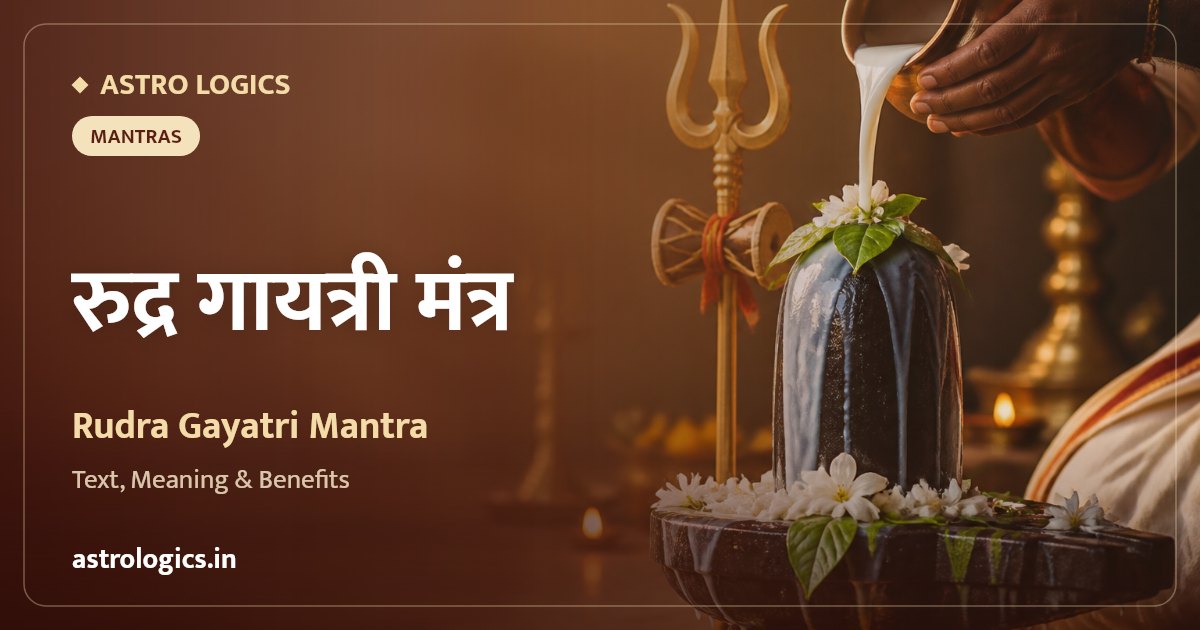
One Thousand Names for the Undivided Lord and Lady
The Ardhanariswara Sahasranamavali is among the most theologically ambitious of all Hindu name-hymns, because its very structure embodies its subject: names of Shiva and names of Devi alternate through its thousand verses, just as the male and female halves of Ardhanariswara's body coexist in a single divine form. This alternating pattern makes the recitation itself an act of meditation on non-duality -- the practitioner's tongue and mind moving back and forth between the Lord and the Goddess until the distinction between them dissolves into the awareness that they were never separate. The sahasranamavali is chanted on Mondays, on Pradosha Vrata days, and during the Maha Shivaratri vigil, when the union of Shiva and Shakti is celebrated with particular intensity.
What distinguishes this text from separate Shiva or Devi sahasranamavalais is precisely this inseparability: each name chosen for one divine aspect implicitly invokes the other, and the cumulative effect of a thousand such paired invocations is an experience of the divine as inherently relational -- never male without female, never stillness without movement, never consciousness without its creative power. In the Jyotish tradition, the Ardhanariswara form is associated with the harmonious integration of solar and lunar energies in the chart, and recitation of the sahasranamavali is sometimes recommended for those seeking balance between competing inner polarities. The reflective gift of this vast hymn is simple: the divine wholeness being praised is also the wholeness already present within the devotee.