Shri Shiv Gayatri Mantra - Meditation on Mahadeva
Shri Shiv Gayatri Mantra - Sanskrit Text
ॐ महादेवाय विद्महे रुद्रमूर्तये धीमहि ।
तन्नो शिवः प्रचोदयात् ॥
Transliteration (Roman/IAST)
oṁ mahādevāya vidmahe rudramūrtaye dhīmahi |
tanno śivaḥ pracodayāt ||
Meaning
"Om. May we know the great God (Mahadeva); may we meditate upon the form of Rudra; may that Shiva inspire and impel us." The mantra follows the classic Gayatri structure - invocation (vidmahe, 'may we know'), meditation (dhimahi, 'may we meditate'), and prayer for inspiration (prachodayat, 'may he impel'). It asks Shiva to awaken and guide our consciousness toward the divine.
About this Mantra
The Gayatri metre is the most sacred metre of the Vedas, and each major deity has a Gayatri mantra formed on the same threefold pattern as the original Savitri Gayatri. The Shiv Gayatri addresses Mahadeva - the Great God - in his form as Rudra, the fierce yet compassionate lord of dissolution and transcendence. It is a concise meditation-mantra that any devotee can chant, condensing reverence, contemplation and surrender into a single line.
Significance & Spiritual Benefits
Chanting the Shiv Gayatri purifies the mind, steadies the intellect, and draws the meditator into Shiva's stillness and clarity. It is recited for inner peace, fearlessness, dissolution of negative tendencies, protection from harm, and spiritual awakening. As a Gayatri, its rhythmic repetition is especially calming and is used to begin or deepen meditation, to consecrate Shiva worship, and as a daily prayer for the grace and guidance of Mahadeva. Regular practice is said to bestow discernment (viveka), detachment, and steadiness through life's upheavals.
Astrological Relevance
Shiva's grace governs Saturn (Shani) - the lord of karma, discipline, longevity and liberation through endurance - and the shadow grahas Rahu and Ketu, while as Mahamrityunjaya he protects life and health (the eighth house and the Moon/mind). The Shiv Gayatri is therefore a valued remedy during Sade Sati and Shani dashas, Rahu-Ketu transits, and periods of fear, anxiety or instability of mind. Its Gayatri form also resonates with the Sun and with Jupiter's wisdom, making it a balanced mantra for both protection and spiritual growth.
How to Chant (Vidhi)
Bathe and sit facing east or north, ideally before a Shiva Linga or image, with the spine upright. Light a ghee lamp and offer bilva leaves and water. Take a few calming breaths, then chant the Shiv Gayatri with awareness of its meaning, using a rudraksha mala for 11, 27 or 108 repetitions. Keep the pronunciation clear and the mind focused on Shiva. It pairs well with the Mahamrityunjaya mantra and with simple Shiva abhisheka.
Best Day & Time
Monday (Shiva's day), Pradosha and Maha Shivaratri are most auspicious. The Brahma Muhurta before dawn and the Pradosha twilight before sunset are ideal; it may also be chanted daily as a morning and evening prayer.
Frequently Asked Questions
What does the Shiv Gayatri mean?
'May we know Mahadeva, may we meditate on the form of Rudra; may that Shiva inspire and impel us' - a threefold prayer of knowing, meditating and surrendering to Shiva.
Who can chant it?
Any devotee may chant the Shiv Gayatri; it is a universal meditation mantra requiring sincerity and clear pronunciation rather than formal initiation.
How many times should it be repeated?
Commonly 11, 27 or 108 times on a rudraksha mala; daily morning and evening repetition is especially beneficial, particularly on Mondays.
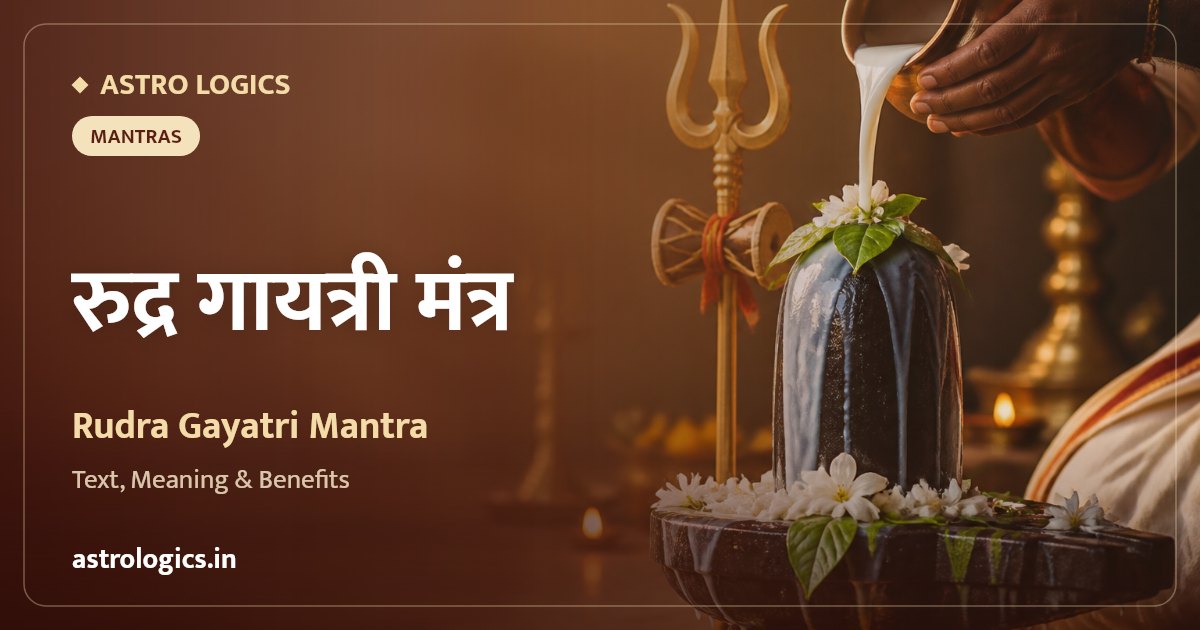
Shiva in the Gayatri metre: meditating on the lord of transformation
The Gayatri metre is, in the Vedic understanding, the mother of all metres - a rhythmic vehicle considered so potent that it is used to consecrate meditations on the most exalted forms of the Divine. The Shiv Gayatri Mantra carries this consecrated structure into the heart of Shaiva devotion, inviting the practitioner to move beyond petition into dhyana, contemplation. To meditate on Rudramurtaye - the form of Rudra, the fierce and transforming aspect of Shiva - is not to seek protection from destruction but to understand that the dissolution Shiva brings is itself the doorway to renewal. This mantra bridges outer worship and inner realisation in a few carefully chosen words.
Devotees recite the Shiv Gayatri Mantra particularly on Mondays, on Pradosha, and during Maha Shivaratri, often as a complement to the Panchakshara mantra and Bilva offering. It is also used in personal sadhana at the brahma muhurta hour, when the mind naturally inclines toward the contemplative. In the Jyotish tradition, Shiva is intimately associated with Saturn and Rahu - two grahas whose energies, like Shiva's own, invite surrender of what no longer serves. Devotees who engage with this Gayatri as a meditative anchor during difficult planetary periods often find that its repetition cultivates a steady, luminous calm that persists beyond the duration of the chanting itself.