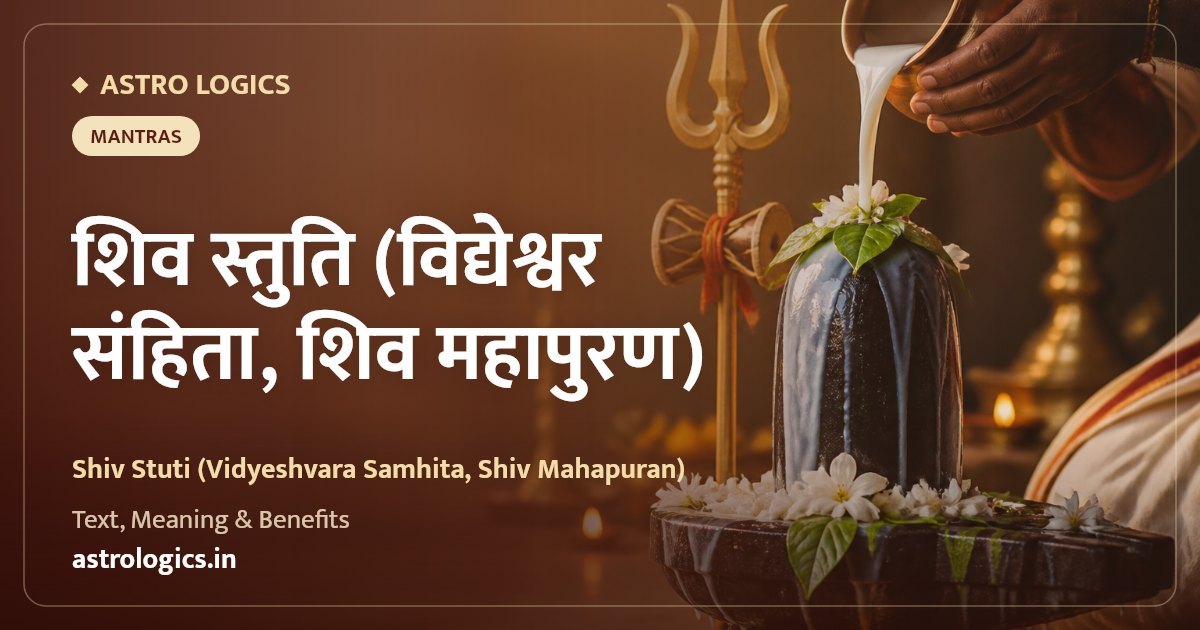
Nanda Vrat Vidhan Shiv Stuti - The Devas' Praise of Mahadeva
Nanda Vrat Vidhan Shiv Stuti - Sanskrit Text
देवा ऊचुः -
नमो भगवते तुभ्यं यत एतच्चराचरम् ।
पुरुषाय महेशाय परेशाय महात्मने ॥ ३६ ॥
आदिबीजाय सर्वेषां चिद्रूपाय पराय च ।
ब्रह्मणे निर्विकाराय प्रकृतेः पुरुषस्य च ॥ ३७ ॥
य इदं प्रतिपद्येदं येनेदं विचकास्ति हि ।
यस्मादिदं यतश्चेदं यस्येदं त्वं च यत्नतः ॥ ३८ ॥
योऽस्मात्परस्माच्च परो निर्विकारी महाप्रभुः ।
ईक्षते यः स्वात्मनीदं तं नताः स्म स्वयम्भुवम् ॥ ३९ ॥
अविद्धदृक् परः साक्षी सर्वात्माऽनेकरूपधृक् ।
आत्मभूतः परब्रह्म तपन्तं शरणं गताः ॥ ४० ॥
न यस्य देवा ऋषयः सिद्धाश्च न विदुः पदम् ।
कः पुनर्जन्तुरपरो ज्ञातुमर्हति वेदितुम् ॥ ४१ ॥
दिदृक्षवो यस्य पदं मुक्तसङ्गाः सुसाधवः ।
चरितं सुगतिर्नस्त्वं सलोकव्रतमव्रणम् ॥ ४२ ॥
त्वज्जन्मादिविकारा नो विद्यन्ते केऽपि दुःखदाः ।
तथापि मायया त्वं हि गृह्णासि कृपया च तान् ॥ ४३ ॥
तस्मै नमः परेशाय तुभ्यमाश्चर्यकर्मणे ।
नमो गिरां विदूराय ब्रह्मणे परमात्मने ॥ ४४ ॥
अरूपायोरुरूपाय परायानन्तशक्तये ।
त्रिलोकपतये सर्वसाक्षिणे सर्वगाय च ॥ ४५ ॥
नम आत्मप्रदीपाय निर्वाणसुखसम्पदे ।
ज्ञानात्मने नमस्तेऽस्तु व्यापकायेश्वराय च ॥ ४६ ॥
नैष्कर्म्येण सुलभ्याय कैवल्यपतये नमः ।
पुरुषाय परेशाय नमस्ते सर्वदाय च ॥ ४७ ॥
क्षेत्रज्ञायात्मरूपाय सर्वप्रत्ययहेतवे ॥ ४८ ॥
सर्वाध्यक्षाय महते मूलप्रकृतये नमः ।
पुरुषाय परेशाय नमस्ते सर्वदाय च ॥ ४९ ॥
त्रिनेत्रायेषुवक्त्राय सदाभासाय ते नमः ।
सर्वेन्द्रियगुणद्रष्ट्रे निष्कारण नमोऽस्तु ते ॥ ५० ॥
त्रिलोककारणायाथापवर्गाय नमो नमः ।
अपवर्गप्रदायाशु शरणागततारिणे ॥ ५१ ॥
सर्वाम्नायागमानां चोदधये परमेष्ठिने ।
परायणाय भक्तानां गुणानां च नमोऽस्तु ते ॥ ५२ ॥
नमो गुणारणिच्छन्न चिदूष्माय महेश्वर ।
मूढदुष्प्राप्तरूपाय ज्ञानिहृद्वासिने सदा ॥ ५३ ॥
पशुपाशविमोक्षाय भक्तसन्मुक्तिदाय च ।
स्वप्रकाशाय नित्यायाव्ययायाजस्रसंविदे ॥ ५४ ॥
प्रत्यग्द्रष्ट्रेऽविकाराय परमैश्वर्यधारिणे ।
यं भजन्ति चतुर्वर्गे कामयन्तीष्टसद्गतिम् ।
सोऽभूदकरुणस्त्वं नः प्रसन्नो भव ते नमः ॥ ५५ ॥
एकान्तिनः कञ्चनार्थं भक्ता वाञ्छन्ति यस्य न ।
केवलं चरितं ते ते गायन्ति परमङ्गलम् ॥ ५६ ॥
अक्षरं परमं ब्रह्म तमव्यक्ताकृतिं विभुम् ।
अध्यात्मयोगगम्यं त्वां परिपूर्णं स्तुमो वयम् ॥ ५७ ॥
अतीन्द्रियमनाधारं सर्वाधारमहेतुकम् ।
अनन्तमाद्यं सूक्ष्मं त्वां प्रणमामोऽखिलेश्वरम् ॥ ५८ ॥
हर्यादयोऽखिला देवास्तथा लोकाश्चराचराः ।
नामरूपविभेदेन फल्ग्व्या च कलया कृताः ॥ ५९ ॥
यथार्चिषोऽग्नेः सवितुर्यान्ति निर्यान्ति वासकृत् ।
गभस्तयस्तथायं वै प्रवाहो गौण उच्यते ॥ ६० ॥
न त्वं देवोऽसुरो मर्त्यो न तिर्यङ्न द्विजः प्रभो ।
न स्त्री न षण्ढो न पुमान् सदसन्न च किञ्चन ॥ ६१ ॥
निषेधशेषः सर्वं त्वं विश्वकृद्विश्वपालकः ।
विश्वलयकृद्विश्वात्मा प्रणताः स्मस्तमीश्वरम् ॥ ६२ ॥
योगरन्धितकर्माणो यं प्रपश्यन्ति योगिनः ।
योगसम्भाविते चित्ते योगेशं त्वां नता वयम् ॥ ६३ ॥
नमोऽस्तु तेऽसह्यवेग शक्तित्रय त्रयीमय ।
नमः प्रसन्नपालाय नमस्ते भूरिशक्तये ॥ ६४ ॥
कदिन्द्रियाणां दुर्गेशानवाप्य परवर्त्मने ।
भक्तोद्धाररतायाथ नमस्ते गूढवर्चसे ॥ ६५ ॥
यच्छक्त्याहं धियाऽऽत्मानं हन्त वेद न मूढधीः ।
तं दुरत्ययमाहात्म्यं त्वां नताः स्मो महाप्रभुम् ॥ ६६ ॥
ब्रह्मोवाच -
इति स्तुत्वा महादेवं सर्वे विष्ण्वादिकाः सुराः ।
तूष्णीमासन्प्रभोरग्रे सद्भक्तिनतकन्धराः ॥ ६७ ॥
॥ इति श्रीशिवमहापुराणे द्वितीयायां रुद्रसंहितायां द्वितीये सतीखण्डे नन्दाव्रतविधानशिवस्तुतिवर्णनं नाम पञ्चदशोऽध्यायः ॥
Transliteration (Roman/IAST)
namo bhagavate tubhyaṁ yata etaccarācaram |
puruṣāya maheśāya pareśāya mahātmane || 36 ||
arūpāyorurūpāya parāyānantaśaktaye |
trilokapataye sarvasākṣiṇe sarvagāya ca || 45 ||
(The hymn runs from verse 36 to verse 66, followed by Brahma's closing words.)
Meaning
The devas, led by Vishnu, bow to Lord Shiva as Bhagavan, the source of all moving and unmoving creation; the supreme Purusha and Lord (Mahesha, Paresha), the primordial seed of all, of the nature of pure consciousness (chit-rupa), the changeless Brahman beyond both Prakriti and Purusha. They salute the self-luminous Self whom even gods, sages and siddhas cannot fully know; who is formless yet of infinite forms, lord of the three worlds, witness of all, all-pervading. They praise him as the light of the Self (atma-pradipa), the wealth of the bliss of liberation, easily attained through actionlessness (naishkarmya), the lord of kaivalya, the three-eyed one, the cause of the three worlds, the giver of liberation and the saviour of those who take refuge. They declare: "You are neither god nor demon nor mortal, neither man nor woman, neither being nor non-being; you are the negation that remains, the maker, sustainer and dissolver of the universe, the Lord of Yoga (Yogesha)." Finally they confess their own ignorance and surrender to the great Lord whose glory is beyond crossing. Brahma narrates that, having thus praised Mahadeva, Vishnu and all the gods stood silent before him, heads bowed in true devotion.
About this Stuti
This Shiv Stuti is the fifteenth chapter of the Sati Khanda within the Rudra Samhita of the Shiva Mahapurana, recited in connection with the Nanda Vrata Vidhana (the procedure of the Nanda vow). Here the assembled gods, headed by Vishnu, glorify Shiva as the attributeless, formless Absolute - the Para Brahman beyond all categories. It is a profoundly Vedantic stuti, presenting Shiva not merely as a deity but as the supreme reality (Paramatma) in whom the whole cosmos arises and dissolves.
Significance & Spiritual Benefits
As a hymn praising Shiva as the supreme Brahman, this stuti cultivates the highest understanding of the divine and deep devotion combined with knowledge (jnana-bhakti). Recited as part of the Nanda Vrata, it is held to grant the fruit of the vow - fulfilment of righteous desires, removal of suffering, and ultimately liberation (apavarga), which the hymn repeatedly names as Shiva's gift. It loosens the bonds of the soul (pashu-pasha-vimoksha), invokes Shiva's protection for those who surrender, and turns the mind toward the changeless Self within. Its surrendered, knowledge-rich tone makes it especially powerful for seekers of moksha.
Astrological Relevance
Lord Shiva is the supreme deity whose grace governs Saturn (Shani) - the planet of discipline, karma, time and liberation through hardship - and the shadow planets Rahu and Ketu; he is the great remover of doshas and the lord of mrityu (death and transcendence over it). This stuti, praising Shiva as the Lord beyond time and form, is a profound remedy during difficult Saturn periods (Sade Sati, dhaiya), Rahu-Ketu dashas, and afflictions to the eighth and twelfth houses of transformation and moksha. Its emphasis on apavarga (liberation) aligns with Ketu, the moksha-karaka, and its worship steadies the mind through the hardest karmic passages.
How to Chant (Vidhi)
Bathe and sit before a Shiva Linga or image of Mahadeva, facing east or north. Light a ghee lamp, offer bilva (bel) leaves, white flowers, and water or milk abhisheka if possible. Take a sankalpa - especially if observing the Nanda Vrata - then recite the stuti with devotion and contemplation of its meaning. Conclude with the closing verse, a bow, and a period of silent meditation on Shiva as the formless Self, as the gods themselves did.
Best Day & Time
Monday (Shiva's day), Pradosha, and Maha Shivaratri are most auspicious, as are the days of the relevant vrata. The Brahma Muhurta before dawn and the Pradosha twilight (just before sunset) are ideal times for Shiva worship.
Frequently Asked Questions
Where is this Shiv Stuti from?
It is from the Shiva Mahapurana - the fifteenth chapter of the Sati Khanda in the Rudra Samhita - recited within the Nanda Vrata Vidhana, sung by Vishnu and the gods.
How does it describe Shiva?
As the formless, attributeless supreme Brahman beyond god, demon, man, woman, being and non-being - the maker, sustainer and dissolver of the universe and the giver of liberation.
What is its chief benefit?
It bestows the fruit of the Nanda vow, removes suffering, loosens the soul's bonds, and turns the seeker toward liberation (apavarga) through Shiva's grace.
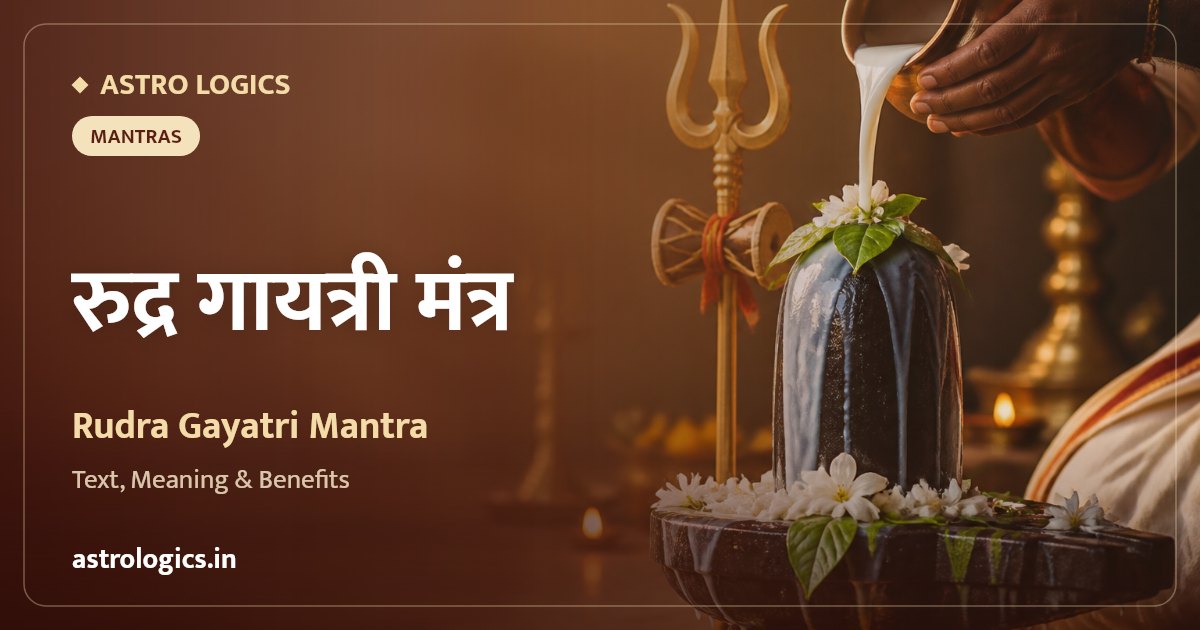
When the gods themselves bow to the Formless
This Shiv Stuti from the Nanda Vrat Vidhana section of the Shiva Mahapurana presents a theologically remarkable moment: Vishnu and the assembled devas, beings of immense power and luminosity in their own right, set aside their divine identities to offer praise to Shiva as the attributeless absolute. The hymn thus serves as a scriptural statement about the nature of Shiva that goes beyond any sectarian boundary - here he is not merely a deity among deities but the substratum of all existence, the nirguna brahman who nonetheless responds to sincere devotion. The mood the stuti evokes is one of reverent surrender, a mood the Shaiva tradition calls dasyabhava at its most exalted: even the greatest bow low in recognition of the supreme.
In devotional practice, hymns of this kind are recited on Pradosh Kala - the twilight period of Trayodashi - as well as on Mahashivaratri and during the month of Shravan, when Shiva's grace is considered most accessible. The context within the Sati Khanda lends the stuti a poignant emotional framing: it arises in a narrative charged with grief, love, and cosmic consequence, giving the philosophy it expresses an urgency and feeling that purely doctrinal texts rarely achieve. In the Jyotish tradition, Shiva's connection to Saturn and Rahu - planets associated with detachment, depth, and the dissolution of ego - makes this hymn particularly meaningful for those navigating difficult planetary periods, who devotees believe may find steadiness through its sincere recitation.