Bhairavi Vandana: Sanskrit Text, Meaning & Benefits
Bhairavi Vandana — Sanskrit Text
शिवदूतीस्वरूपेण हतदैत्यमहाबले ।
घोररूपे महारावे भैरवि नमोऽस्तुते ॥
लक्ष्मि लज्जे महाविद्ये श्रद्धे पुष्टि स्वधे ध्रुवे ।
महारात्रि महामाये भैरवि नमोऽस्तुते ॥
मेधे सरस्वति वरे भूति बाभ्रवि तामसि ।
नियते त्वं प्रसीदेशे भैरवि नमोऽस्तुते ॥
सर्वस्वरूपे सर्वेशे सर्वशक्तिसमन्विते ।
भयेभ्यस्त्राहि नो देवि भैरवि नमोऽस्तुते ॥
एतत्ते मुखमं सौम्यं नयनत्रयभूषितम् ।
पातु नः सर्वभीतिभ्यः भैरवि नमोऽस्तुते ॥
Transliteration (Roman/IAST)
śivadūtīsvarūpeṇa hatadaityamahābale |
ghorarūpe mahārāve bhairavi namo'stute ||
lakṣmi lajje mahāvidye śraddhe puṣṭi svadhe dhruve |
mahārātri mahāmāye bhairavi namo'stute ||
medhe sarasvati vare bhūti bābhravi tāmasi |
niyate tvaṃ prasīdeśe bhairavi namo'stute ||
sarvasvarūpe sarveśe sarvaśaktisamanvite |
bhayebhyastrāhi no devi bhairavi namo'stute ||
etatte mukhamaṃ saumyaṃ nayanatrayabhūṣitam |
pātu naḥ sarvabhītibhyaḥ bhairavi namo'stute ||
Meaning
This vandana salutes the Goddess in her fierce yet compassionate Bhairavi aspect, each verse sealed with “Bhairavi namo'stute” — “Salutations to you, O Bhairavi.” The opening verse hails her who, in the form of Shivaduti, slew the demons of great might: “O you of terrifying form and mighty roar, salutations to you, Bhairavi.”
The hymn then invokes her as every benevolent power of the cosmos: “You are Lakshmi (fortune), Lajja (modesty), the great knowledge (Mahavidya), Shraddha (faith), Pushti (nourishment), Svadha, the steadfast one (Dhruva), the great night of dissolution (Maharatri) and the great cosmic illusion (Mahamaya).” She is Medha (intelligence), Sarasvati (learning), the boon-giving Bhuti (abundance), Babhravi and Tamasi, the ordainer of destiny (Niyati) — “be gracious, O Sovereign.” She is of all forms, lord of all, endowed with every power: “protect us from all fears, O Goddess.” The closing verse adores her gentle face graced with three eyes and prays that it may guard the devotee from every terror. These verses echo the great Devi-stuti of the Devi Mahatmya, where the gods praise the Mother as the totality of all auspicious energies.
About this Vandana
Bhairavi is the fierce, awe-inspiring form of the Divine Mother and the fifth of the ten Mahavidyas, often invoked as Tripura Bhairavi. The word “Bhairavi” conveys terror to evil and dissolution of fear in the devotee; she is the dynamic, transformative Shakti of Shiva-Bhairava. The verses of this vandana are drawn from the classical Devi-stuti tradition of the Durga Saptashati (Devi Mahatmya), in which the gods extol the Goddess as the single power underlying Lakshmi, Sarasvati, Maya, Niyati and all forces of creation, sustenance and dissolution. The hymn is widely chanted today, including in popular musical settings, as an invocation of the Mother’s protective might.
Significance & Spiritual Benefits
This vandana is chanted above all for fearlessness and protection — “bhayebhyas trahi no devi,” “save us from all fears.” Invoking Bhairavi is believed to destroy negativity, enemies and inner obstacles, burn away impurities of the mind, and awaken courage, willpower and spiritual intensity (tejas). As a Mahavidya, she grants both worldly mastery and the dissolution of ego on the path to liberation. Devotees turn to her in times of crisis, danger or fear, and for the swift, fierce grace that cuts through stagnation and bestows transformation.
Astrological Relevance
Bhairavi, as a fierce form of Shakti closely allied with Bhairava (Shiva), is invoked in Vedic remedial astrology for protection during severe afflictions — the testing periods of Saturn (Shani), Rahu and Ketu, Sade-Sati, and exposure to occult harm or intense fear (matters of the 8th and 12th houses). Her worship strengthens courage and resilience (linked to Mars and a strong ascendant) and the transformative, “tamasic-to-tejasic” turning point that accompanies Ketu and the nodes. As the Mother who is Lakshmi, Medha and Sarasvati combined, the vandana also supports prosperity, intellect and learning when chanted with devotion. Ashtami, Navami, Navratri and Tuesdays/Fridays are the favoured times for Devi remedies.
How to Chant (Vidhi)
After bathing, sit facing east or north before an image of the Goddess (Durga/Bhairavi). Light a lamp (ghee or sesame oil) and offer red flowers, kumkum and incense. Invoke Ganesha and your guru first, then recite the vandana with a focused, reverent heart, dwelling on the refrain “Bhairavi namo'stute.” It may be chanted 1, 3, 9 or 11 times, and is especially potent during Navratri and on Ashtami/Navami. Because Bhairavi is a fierce deity, maintain cleanliness, devotion and a respectful attitude; sincere bhakti is the essential qualification.
Best Day & Time
Navratri (both Chaitra and Sharad), Ashtami and Navami tithis, Tuesdays and Fridays, and Amavasya nights are most auspicious for invoking Bhairavi. Early morning Brahma-muhurta or the night hours are traditional. For protective intentions the vandana may be chanted daily through a Navratri or a 40-day period.
Frequently Asked Questions
Who is Goddess Bhairavi?
Bhairavi is the fierce, protective form of the Divine Mother and the fifth of the ten Mahavidyas (often as Tripura Bhairavi). She is the dynamic Shakti of Shiva-Bhairava, who destroys fear and evil and grants transformation.
What is the main benefit of the Bhairavi Vandana?
It is chanted for protection and fearlessness — the hymn directly prays “save us from all fears.” It destroys negativity and obstacles and awakens courage, intensity and spiritual strength.
When is the best time to chant it?
During Navratri and on Ashtami/Navami, as well as Tuesdays and Fridays, are considered most powerful, ideally at dawn or during the night with proper devotion.
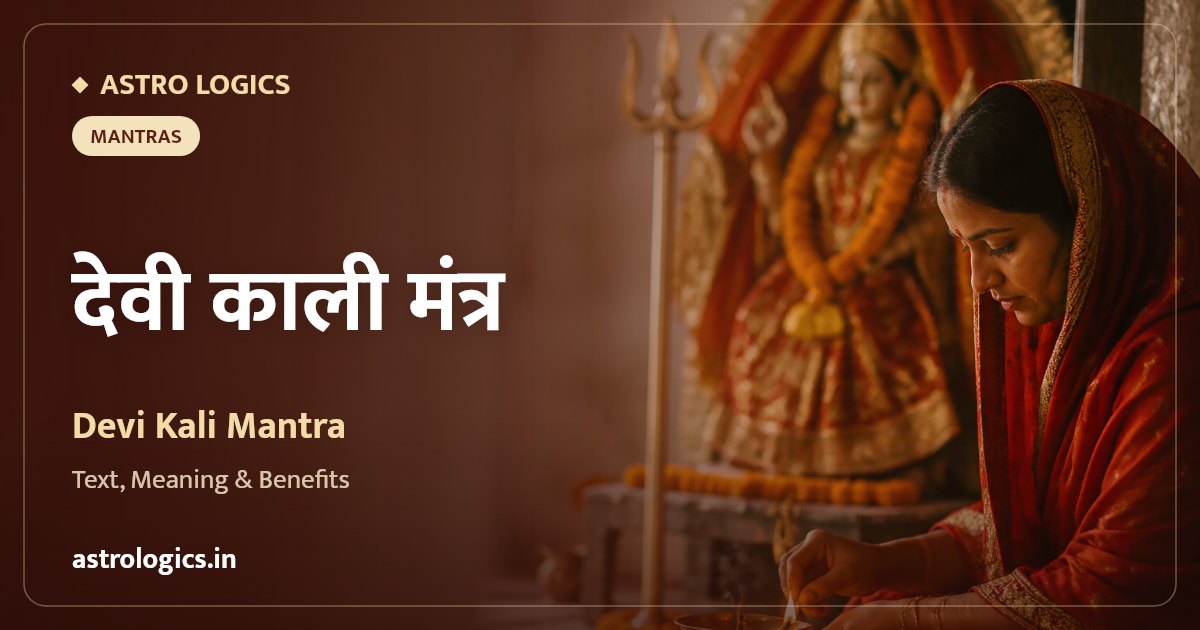
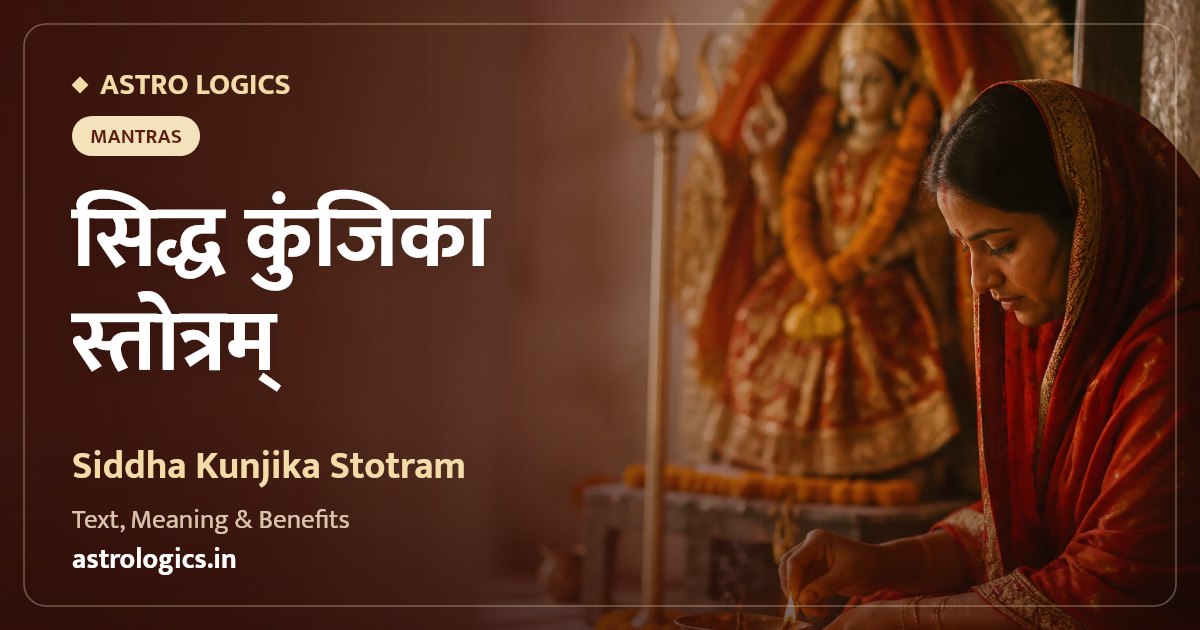
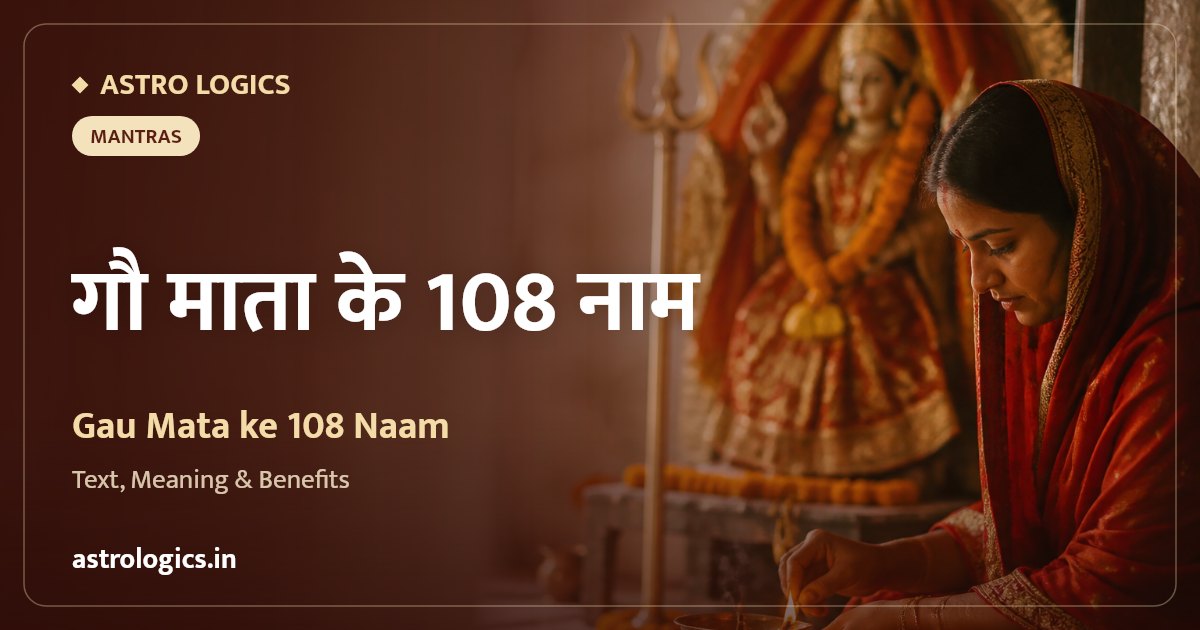


Fierce, protective, and luminous: approaching Goddess Bhairavi with reverence
Bhairavi Vandana occupies a distinctive place in the landscape of Devi worship. Goddess Bhairavi, one of the ten Mahavidyas of the Tantric tradition, embodies a quality of fierce, blazing protective energy that can seem daunting to those new to her worship - yet the classical Devi Mahatmya stuti from which this vandana draws is shaped precisely to make such an approach possible through reverence, verse, and the repetitive refrain of namo'stute, "salutation to you." The genius of the vandana form is that it converts what might otherwise feel like a confrontation with overwhelming power into an act of loving acknowledgement: the devotee does not command or bargain but simply names the Goddess's qualities and bows. In this bowing, fear itself begins to dissolve.
Bhairavi Vandana is recited by practitioners of Shakta sadhana, particularly those working with the Mahavidyas, as well as by devotees who turn to the fierce forms of the Goddess for protection in situations involving danger, psychic disturbance, or profound uncertainty. In the Jyotish tradition, Bhairavi's intense, transformative energy is associated with Rahu and the quality of radical disruption that ultimately serves awakening; she burns away what obscures, and her worship is sometimes recommended as a traditional practice for navigating Rahu dasha with awareness and protection. Devotees believe that approaching Bhairavi through this vandana with sincerity and a surrendered heart gradually cultivates the courage that comes not from the absence of fear but from the direct recognition that the fiercest power in the universe is, at its heart, the Mother's own.