Dashratha Krit Shani Stotra: Sanskrit Text, Meaning & Remedies
Dashratha Krit Shani Stotra - Sanskrit Text
दशरथ उवाच -
नमः कृष्णाय नीलाय शितिकण्ठनिभाय च।
नमः कालाग्निरूपाय कृतान्ताय च वै नमः।।1।।
नमो निर्मांसदेहाय दीर्घश्मश्रुजटाय च।
नमो विशालनेत्राय शुष्कोदरभयाकृते।।2।।
नमः पुष्कलगात्राय स्थूलरोम्णेऽथ वै नमः।
नमो दीर्घाय शुष्काय कालदंष्ट्र नमोऽस्तु ते।।3।।
नमस्ते कोटराक्षाय दुर्निरीक्ष्याय वै नमः।
नमो घोराय रौद्राय भीषणाय कपालिने।।4।।
नमस्ते सर्वभक्षाय बलीमुख नमोऽस्तु ते।
सूर्यपुत्र नमस्तेऽस्तु भास्करेऽभयदाय च।।5।।
अधोदृष्टे नमस्तेऽस्तु संवर्तक नमोऽस्तु ते।
नमो मन्दगते तुभ्यं निस्त्रिंशाय नमोऽस्तु ते।।6।।
तपसा दग्धदेहाय नित्यं योगरताय च।
नमो नित्यं क्षुधार्ताय अतृप्ताय च वै नमः।।7।।
ज्ञानचक्षुर्नमस्तेऽस्तु कश्यपात्मजसूनवे।
तुष्टो ददासि वै राज्यं रुष्टो हरसि तत्क्षणात्।।8।।
देवासुरमनुष्याश्च सिद्धविद्याधरोरगाः।
त्वया विलोकिताः सर्वे नाशं यान्ति समूलतः।।9।।
प्रसाद कुरु मे सौरे वरदो भव भास्करे।
एवं स्तुतस्तदा सौरिर्ग्रहराजो महाबलः।।10।।
प्रसन्नो यदि मे सौरे वरं देहि ममेप्सितम्।
अद्यप्रभृति पिङ्गाक्ष पीडा देया न कस्यचित्।।
Transliteration (Roman/IAST)
daśaratha uvāca -
namaḥ kṛṣṇāya nīlāya śitikaṇṭhanibhāya ca |
namaḥ kālāgnirūpāya kṛtāntāya ca vai namaḥ ||1||
namo nirmāṁsadehāya dīrghaśmaśrujaṭāya ca |
namo viśālanetrāya śuṣkodarabhayākṛte ||2||
namaḥ puṣkalagātrāya sthūlaromṇe'tha vai namaḥ |
namo dīrghāya śuṣkāya kāladaṁṣṭra namo'stu te ||3||
namaste koṭarākṣāya durnirīkṣyāya vai namaḥ |
namo ghorāya raudrāya bhīṣaṇāya kapāline ||4||
namaste sarvabhakṣāya balīmukha namo'stu te |
sūryaputra namaste'stu bhāskare'bhayadāya ca ||5||
adhodṛṣṭe namaste'stu saṁvartaka namo'stu te |
namo mandagate tubhyaṁ nistriṁśāya namo'stu te ||6||
tapasā dagdhadehāya nityaṁ yogaratāya ca |
namo nityaṁ kṣudhārtāya atṛptāya ca vai namaḥ ||7||
jñānacakṣurnamaste'stu kaśyapātmajasūnave |
tuṣṭo dadāsi vai rājyaṁ ruṣṭo harasi tatkṣaṇāt ||8||
devāsuramanuṣyāśca siddhavidyādharoragāḥ |
tvayā vilokitāḥ sarve nāśaṁ yānti samūlataḥ ||9||
prasāda kuru me saure varado bhava bhāskare |
evaṁ stutastadā saurirgraharājo mahābalaḥ ||10||
prasanno yadi me saure varaṁ dehi mamepsitam |
adyaprabhṛti piṅgākṣa pīḍā deyā na kasyacit ||
Meaning
King Dasharatha bows repeatedly to Lord Shani, describing his awe-inspiring forms: dark and blue like the throat of Shiva, the very form of the fire of time, the ender of all; lean-bodied with long beard and matted locks, large-eyed and fearsome; the long, dry one with the fang of Time; the one terrible to look upon, holding a skull. He salutes Shani as the all-devouring son of Surya yet the giver of fearlessness; the slow-moving one (Manda) whose downward gaze none can withstand. He praises him as austere, ever absorbed in yoga, and acknowledges his immense power: "When pleased you grant kingdoms; when angered you snatch them in an instant. Gods, demons, humans, siddhas and serpents - all are uprooted by your glance." Finally he prays: "Be gracious, O son of the Sun, grant me a boon - from this day onward, O tawny-eyed one, give affliction to no one."
About this Stotra
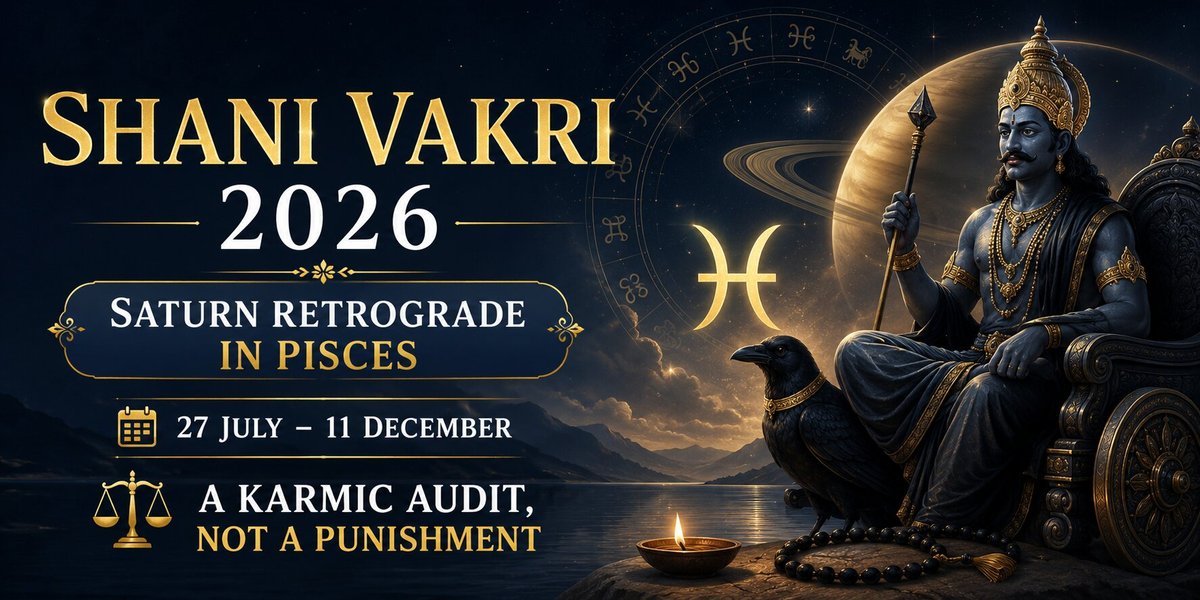
The Dashratha Krit Shani Stotra (literally "the Shani hymn made by Dasharatha") comes from the Puranic episode in which King Dasharatha of Ayodhya, learning that Shani was about to enter the Krittika–Rohini sector and cause a devastating drought, ascended to the heavens and confronted Saturn. Awed yet undaunted, he praised the planet-lord with this hymn. Pleased, Shani granted him the boon that he would spare the kingdom and, by extension, that whoever recites this stotra with devotion would be protected from Saturn's harshest effects. Composed in flowing anushtup metre, the hymn is a chain of salutations (namaḥ) to each fearsome and benevolent aspect of Shani.
Significance & Spiritual Benefits
This is among the most trusted stotras for invoking Shani's grace. Its boon-ending promise - that Shani will give affliction to no devotee who recites it - makes it a favourite remedial prayer. Devotees chant it to reduce hardships, delays, fear and obstacles, to develop the patience and discipline that Saturn demands, and to transform Saturn's testing energy into steady, lasting success. Because the hymn honestly names Shani's terrifying forms before praying for mercy, it cultivates humility and surrender, the very qualities Saturn rewards.
Astrological Relevance
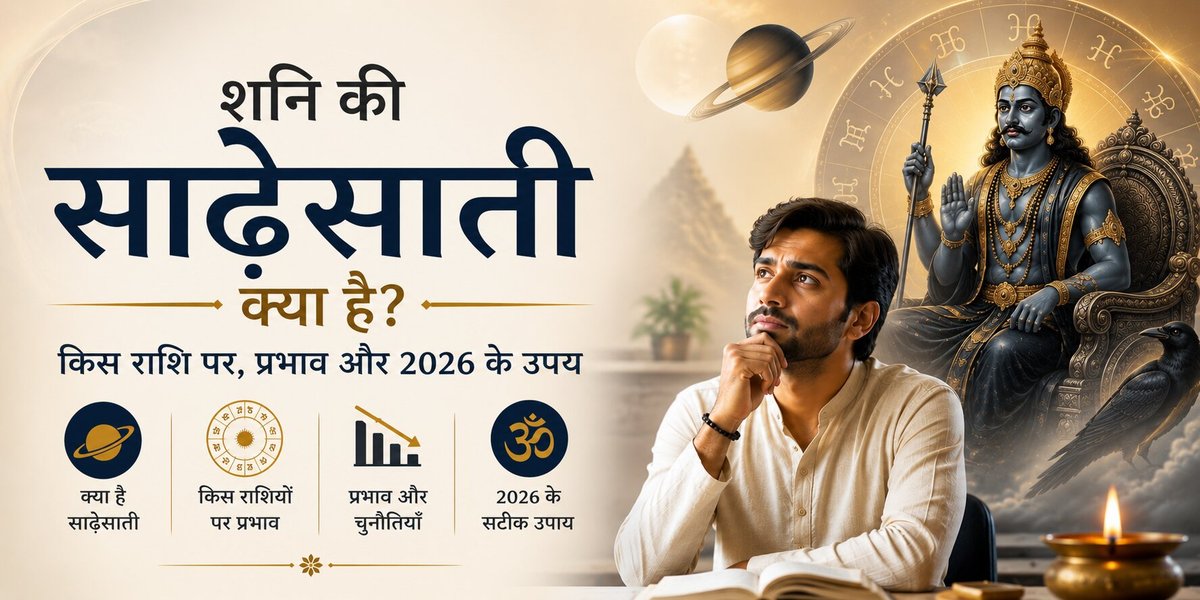
Shani is Saturn (Sani), the great taskmaster of Vedic astrology - karaka of discipline, karma, longevity, labour and justice. This stotra is one of the foremost remedies prescribed during Sade Sati (the seven-and-a-half-year transit of Saturn over the natal Moon), the dhaiya (Saturn's transit through the 4th and 8th from the Moon), and during Shani Mahadasha or antardasha. It is also recited when Saturn is debilitated, retrograde, or afflicting key houses. The verse "when pleased you grant kingdoms, when angered you snatch them" captures Saturn's role as the dispenser of karmic results; reciting the hymn is a way of aligning with, rather than resisting, that planetary justice. Pair it with Saturday charity (black sesame, iron, mustard oil, black cloth) and service to the needy for fuller remedial effect.
How to Chant (Vidhi)
Bathe and wear clean, preferably dark clothes. Light a mustard-oil or sesame-oil lamp before an image of Shani Dev or a Peepal tree. Face west. Recite the stotra with a calm, steady voice, ideally 1, 3, 7 or 11 times. Lighting the lamp under a Peepal tree on Saturday evening while reciting is especially recommended. Conclude by praying for Shani's grace and offering black sesame or donating to the poor.
Best Day & Time
Saturday (Shanivar), Saturn's own day, is the ideal day, particularly at dusk. Shani Amavasya, Shani Jayanti and Saturdays falling during one's Sade Sati are the most potent occasions. Many also recite it daily at sunset throughout a difficult Saturn period.
Frequently Asked Questions
Why is it called Dashratha Krit Shani Stotra?
Because it was composed (krit) by King Dasharatha, father of Lord Rama, when he ascended to the heavens to pacify Shani and protect his kingdom from a predicted drought.
Is this stotra good for Sade Sati?
Yes. It is one of the most widely recommended hymns during Sade Sati, dhaiya and Shani dasha, recited to soften Saturn's afflictions and earn his protective boon.
How many times should it be chanted?
Common practice is to recite it 1, 3, 7 or 11 times on Saturdays, ideally beside a Peepal tree with a sesame-oil lamp lit.
Shani's grace through royal supplication: the devotional power of this stotra
Few stotras carry the dramatic devotional weight of a king prostrating before Lord Shani on behalf of an entire kingdom. The Dashratha Krit Shani Stotra belongs to a strand of bhakti in which even the mighty bow before the sovereign of Saturn, acknowledging that Shani's favour cannot be commanded - only humbly sought. In the Jyotish tradition, Shani is revered as the great leveller, the graha whose gaze spares neither ruler nor peasant, and devotees believe that sincere, sustained recitation of this stotra can soften the severity of Sade Sati and Shani mahadasha by transforming fear into reverential acceptance.
What makes this composition particularly striking is its tone of absolute surrender rather than negotiation. Devotees who chant it on Saturdays - the day of Shani - and during the Pradosh period of Shukla or Krishna Chaturdashi traditionally do so as an act of inner purification, not mere planetary remedy. The stotra teaches that pacifying Shani is ultimately about aligning one's conduct with patience, integrity and service - qualities Shani himself embodies as a cosmic judge. For those navigating difficult transits, this hymn is a reminder that grace flows when the heart is genuinely humbled before the divine.