Shiva Tandava Stotram: Ravana's Thundering Hymn to Lord Shiva
Shiva Tandava Stotram - Sanskrit Text
॥ श्रीगणेशाय नमः ॥
जटाटवीगलज्जलप्रवाहपावितस्थले
गलेऽवलम्ब्य लम्बितां भुजङ्गतुङ्गमालिकाम् ।
डमड्डमड्डमड्डमन्निनादवड्डमर्वयं
चकार चण्डताण्डवं तनोतु नः शिवः शिवम् ॥१॥
जटाकटाहसम्भ्रमभ्रमन्निलिम्पनिर्झरी
विलोलवीचिवल्लरीविराजमानमूर्धनि ।
धगद्धगद्धगज्ज्वलल्ललाटपट्टपावके
किशोरचन्द्रशेखरे रतिः प्रतिक्षणं मम ॥२॥
धराधरेन्द्रनन्दिनीविलासबन्धुबन्धुर
स्फुरद्दिगन्तसन्ततिप्रमोदमानमानसे ।
कृपाकटाक्षधोरणीनिरुद्धदुर्धरापदि
क्वचिद्दिगम्बरे मनो विनोदमेतु वस्तुनि ॥३॥
जटाभुजङ्गपिङ्गलस्फुरत्फणामणिप्रभा
कदम्बकुङ्कुमद्रवप्रलिप्तदिग्वधूमुखे ।
मदान्धसिन्धुरस्फुरत्त्वगुत्तरीयमेदुरे
मनो विनोदमद्भुतं बिभर्तु भूतभर्तरि ॥४॥
सहस्रलोचनप्रभृत्यशेषलेखशेखर
प्रसूनधूलिधोरणीविधूसराङ्घ्रिपीठभूः ।
भुजङ्गराजमालया निबद्धजाटजूटकः
श्रियै चिराय जायतां चकोरबन्धुशेखरः ॥५॥
ललाटचत्वरज्वलद्धनञ्जयस्फुलिङ्गभा
निपीतपञ्चसायकं नमन्निलिम्पनायकम् ।
सुधामयूखलेखया विराजमानशेखरं
महाकपालिसम्पदेशिरोजटालमस्तु नः ॥६॥
करालभालपट्टिकाधगद्धगद्धगज्ज्वल
द्धनञ्जयाहुतीकृतप्रचण्डपञ्चसायके ।
धराधरेन्द्रनन्दिनीकुचाग्रचित्रपत्रक
प्रकल्पनैकशिल्पिनि त्रिलोचने रतिर्मम ॥७॥
नवीनमेघमण्डलीनिरुद्धदुर्धरस्फुरत्
कुहूनिशीथिनीतमःप्रबन्धबद्धकन्धरः ।
निलिम्पनिर्झरीधरस्तनोतु कृत्तिसिन्धुरः
कलानिधानबन्धुरः श्रियं जगद्धुरंधरः ॥८॥
प्रफुल्लनीलपङ्कजप्रपञ्चकालिमप्रभा
वलम्बिकण्ठकन्दलीरुचिप्रबद्धकन्धरम् ।
स्मरच्छिदं पुरच्छिदं भवच्छिदं मखच्छिदं
गजच्छिदान्धकच्छिदं तमन्तकच्छिदं भजे ॥९॥
अखर्वसर्वमङ्गलाकलाकदम्बमञ्जरी
रसप्रवाहमाधुरीविजृम्भणामधुव्रतम् ।
स्मरान्तकं पुरान्तकं भवान्तकं मखान्तकं
गजान्तकान्धकान्तकं तमन्तकान्तकं भजे ॥१०॥
जयत्वदभ्रविभ्रमभ्रमद्भुजङ्गमश्वसद्
विनिर्गमत्क्रमस्फुरत्करालभालहव्यवाट् ।
धिमिद्धिमिद्धिमिध्वनन्मृदङ्गतुङ्गमङ्गल
ध्वनिक्रमप्रवर्तितप्रचण्डताण्डवः शिवः ॥११॥
दृषद्विचित्रतल्पयोर्भुजङ्गमौक्तिकस्रजोर्
गरिष्ठरत्नलोष्ठयोः सुहृद्विपक्षपक्षयोः ।
तृणारविन्दचक्षुषोः प्रजामहीमहेन्द्रयोः
समप्रवृत्तिकः कदा सदाशिवं भजाम्यहम् ॥१२॥
कदा निलिम्पनिर्झरीनिकुञ्जकोटरे वसन्
विमुक्तदुर्मतिः सदा शिरःस्थमञ्जलिं वहन् ।
विमुक्तलोललोचनो ललामभाललग्नकः
शिवेति मन्त्रमुच्चरन्कदा सुखी भवाम्यहम् ॥१३॥
इमं हि नित्यमेवमुक्तमुत्तमोत्तमं स्तवं
पठन्स्मरन्ब्रुवन्नरो विशुद्धिमेति संततम् ।
हरे गुरौ सुभक्तिमाशु याति नान्यथा गतिं
विमोहनं हि देहिनां सुशङ्करस्य चिन्तनम् ॥१४॥
पूजावसानसमये दशवक्त्रगीतं यः
शम्भुपूजनपरं पठति प्रदोषे ।
तस्य स्थिरां रथगजेन्द्रतुरङ्गयुक्तां
लक्ष्मीं सदैव सुमुखीं प्रददाति शम्भुः ॥१५॥
॥ इति श्रीरावणकृतं शिवताण्डवस्तोत्रं सम्पूर्णम् ॥
Transliteration (Roman/IAST)
jaṭāṭavīgalajjalapravāhapāvitasthale
gale'valambya lambitāṃ bhujaṅgatuṅgamālikām |
ḍamaḍḍamaḍḍamaḍḍamanninādavaḍḍamarvayaṃ
cakāra caṇḍatāṇḍavaṃ tanotu naḥ śivaḥ śivam ||1||
(... the stotra rolls on through its thunderous verses describing Shiva's matted hair sanctified by the Ganga, the serpents, the crescent moon and the blazing third eye, culminating in the phalashruti:) pūjāvasānasamaye daśavaktragītaṃ yaḥ śambhupūjanaparaṃ paṭhati pradoṣe | tasya sthirāṃ rathagajendraturaṅgayuktāṃ lakṣmīṃ sadaiva sumukhīṃ pradadāti śambhuḥ ||15||
Meaning
The hymn paints, in cascading sound, the awesome form and cosmic dance of Lord Shiva. From his vast forest of matted locks flows the sacred Ganga, purifying the ground; serpents hang as garlands upon his neck; his damaru drums out the rhythm DamaD-DamaD as he performs the fierce tandava - may that Shiva grant us auspiciousness. Verse after verse the poet adores the moon-crested lord whose forehead-fire blazes, who destroyed Kama, the three cities, worldly bondage, the sacrifice of Daksha, the elephant-demon and Yama himself. The closing verses long for the day the devotee may dwell by the Ganga, hands folded, chanting "Shiva, Shiva," treating friend and foe, gem and clod, alike. The phalashruti promises that whoever recites this song of the ten-faced one (Ravana) at dusk after worship is blessed by Shambhu with abiding wealth, chariots, elephants and horses.
About this Stotra
The Shiva Tandava Stotram is traditionally attributed to Ravana, the mighty ten-headed king of Lanka and a supreme devotee of Shiva. Legend holds that when Ravana arrogantly tried to lift Mount Kailasa, Shiva pressed it down with his toe and trapped him; Ravana, in pain and remorse, sang this spontaneous hymn of praise, whereupon Shiva, delighted, released him and granted him the sword Chandrahasa. The stotra is celebrated for its extraordinary metre and alliteration, which imitate the very rhythm of Shiva's tandava dance.
Significance & Spiritual Benefits
Reciting the Shiva Tandava Stotram is believed to bestow Shiva's grace, strength, fearlessness and devotion. Its powerful vibration is said to purify the mind, dispel negativity, remove obstacles, and instil energy and confidence. The phalashruti specifically promises lasting wealth and prosperity to those who recite it at dusk after worship. Beyond material benefit, it kindles intense bhakti and a vivid contemplation of the formless lord through his cosmic, dancing form.
Astrological Relevance
Lord Shiva's worship is a foremost remedy in Vedic astrology, especially for the appeasement of Saturn (Shani), the karaka of karma, discipline and hardship, and for difficult periods such as Sade Sati. The Moon adorning Shiva's crest links the stotra to a strong, serene Chandra - the karaka of the mind - making it valuable when the Moon is afflicted or the mind disturbed. The destructive, transformative power of the tandava resonates with Ketu and the transformative 8th house, and the hymn's promise of wealth ties it to the prosperity-giving grace of Shambhu. Reciting it strengthens courage, mental peace and the capacity to transmute difficulty into spiritual growth.
How to Chant (Vidhi)
Bathe and sit before a Shiva lingam or image of Shiva. Light a lamp, offer bilva (bel) leaves, white flowers and water or milk abhisheka, and apply vibhuti. Recite the stotra rhythmically, ideally at dusk (pradosha) after worship as the phalashruti advises, letting its cadence carry the mind into the vision of Shiva's dance. Daily recitation, or recitation through the month of Shravan, is especially meritorious.
Best Day & Time
Monday (Somvar) and the pradosha hours (dusk) are ideal; the stotra specifically commends recitation at pradosha after Shiva worship. Maha Shivaratri, pradosha vrata days, and the Mondays of Shravan are the most powerful occasions.
Frequently Asked Questions
Who composed the Shiva Tandava Stotram?
It is traditionally attributed to Ravana, the ten-headed king of Lanka and a great devotee of Shiva, who is said to have sung it spontaneously to win Shiva's grace.
What is the best time to recite it?
The hymn's own phalashruti recommends reciting it at pradosha (dusk) after worshipping Shiva. Mondays and Maha Shivaratri are especially auspicious.
Does chanting it really grant wealth?
The closing verse promises that those who recite it devoutly at dusk after worship are blessed by Shambhu with lasting prosperity. Devotees chant it both for material well-being and, more deeply, for Shiva's grace and inner strength.
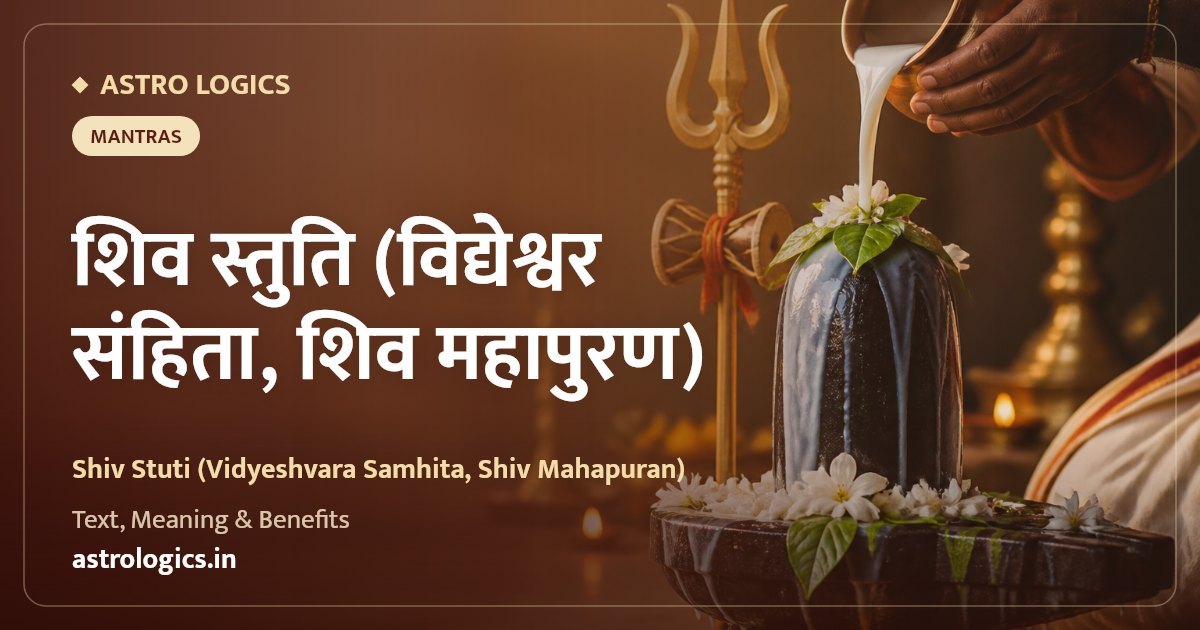
The cosmic fury and surrender in Ravana's praise of Shiva
What makes the Shiva Tandava Stotram so extraordinary is the paradox at its heart: it was composed not by a saint in quiet meditation but by the mighty Ravana, king of Lanka and master of all the arts, in a moment of total surrender before Mahadeva. The hymn captures Shiva in his most primal, magnificent aspect - dancing the tandava amid a cosmos he simultaneously creates and dissolves - and the very metre of the Sanskrit, with its dense, rolling consonant clusters, mimics the thunder of that cosmic dance. Devotees recite it as an act of awe-filled reverence, particularly on Mondays, on Maha Shivaratri, and during the month of Shravan, when the energies of Shiva are considered most accessible.
In the Jyotish tradition, Shiva's attributes are closely linked to the planet Ketu - the force of dissolution, detachment and transcendence - and to Mangal (Mars) in its fearless, warrior aspect. Reciting or listening to this stotra is believed by devotees to awaken a spirit of fierce devotion and inner strength, melting ego before the infinite. The image of Ravana himself, a figure of immense pride and learning, completely undone before Shiva's majesty, is itself a teaching: that even the most powerful seeker must ultimately bow. That message gives this hymn a depth that no amount of intellectual study alone can fully convey.