Ekadashi Mata Aarti – Lyrics in Hindi, Meaning & Significance
Ekadashi Mata Aarti Lyrics (हिंदी में)
ॐ जय एकादशी, जय एकादशी, जय एकादशी माता।
विष्णु पूजा व्रत को धारण कर, शक्ति मुक्ति पाता॥
तेरे नाम गिनाऊं देवी, भक्ति प्रदान करनी।
गण गौरव की देनी माता, शास्त्रों में वरनी॥
मार्गशीर्ष के कृष्णपक्ष की उत्पन्ना, विश्वतारनी जन्मी।
शुक्ल पक्ष में हुई मोक्षदा, मुक्तिदाता बन आई॥
पौष के कृष्णपक्ष की, सफला नामक है।
शुक्लपक्ष में होय पुत्रदा, आनन्द अधिक रहै॥
नाम षटतिला माघ मास में, कृष्णपक्ष आवै।
शुक्लपक्ष में जया कहावै, विजय सदा पावै॥
विजया फागुन कृष्णपक्ष में, शुक्ला आमलकी।
पापमोचनी कृष्ण पक्ष में, चैत्र महाबलि की॥
चैत्र शुक्ल में नाम कामदा, धन देने वाली।
नाम वरूथिनी कृष्णपक्ष में, वैसाख माह वाली॥
शुक्ल पक्ष में होय मोहिनी, अपरा ज्येष्ठ कृष्णपक्षी।
नाम निर्जला सब सुख करनी, शुक्लपक्ष रखी॥
योगिनी नाम आषाढ में जानों, कृष्णपक्ष करनी।
देवशयनी नाम कहायो, शुक्लपक्ष धरनी॥
कामिका श्रावण मास में आवै, कृष्णपक्ष कहिए।
श्रावण शुक्ला होय पवित्रा, आनन्द से रहिए॥
अजा भाद्रपद कृष्णपक्ष की, परिवर्तिनी शुक्ला।
इन्द्रा आश्चिन कृष्णपक्ष में, व्रत से भवसागर निकला॥
पापांकुशा है शुक्ल पक्ष में, आप हरनहारी।
रमा मास कार्तिक में आवै, सुखदायक भारी॥
देवोत्थानी शुक्लपक्ष की, दुखनाशक मैया।
पावन मास में करूं विनती, पार करो नैया॥
परमा कृष्णपक्ष में होती, जन मंगल करनी।
शुक्ल मास में होय पद्मिनी, दुख दारिद्र हरनी॥
जो कोई आरती एकादशी की, भक्ति सहित गावै।
जन गुरदिता स्वर्ग का वासा, निश्चय वह पावै॥
ॐ जय एकादशी॥
Ekadashi Mata Aarti – Transliteration (English)
Om Jai Ekadashi, Jai Ekadashi, Jai Ekadashi Mata.
Vishnu Puja Vrat Ko Dharan Kar, Shakti Mukti Pata.
Tere Naam Ginaoon Devi, Bhakti Pradan Karni.
Gan Gaurav Ki Deni Mata, Shastron Mein Varni.
Margashirsha Ke Krishnapaksha Ki Utpanna, Vishwatarni Janmi.
Shukla Paksha Mein Hui Mokshada, Muktidaata Ban Aayi.
Pausha Ke Krishnapaksha Ki, Safala Naamak Hai.
Shuklpaksha Mein Hoy Putrada, Aanand Adhik Rahai.
Naam Shattila Maagh Maas Mein, Krishnapaksha Aavai.
Shuklpaksha Mein Jaya Kahaavai, Vijay Sadaa Paavai.
Vijaya Phagun Krishnapaksha Mein, Shukla Aamalaki.
Paapmochani Krishna Paksha Mein, Chaitra Mahabali Ki.
Chaitra Shukla Mein Naam Kaamada, Dhan Dene Wali.
Naam Varoothini Krishnapaksha Mein, Vaisaakh Maah Waali.
Shukla Paksha Mein Hoy Mohini, Apara Jyeshtha Krishnapakshi.
Naam Nirjala Sab Sukh Karni, Shuklpaksha Rakhi.
Yogini Naam Ashadh Mein Jaano, Krishnapaksha Karni.
Devashayani Naam Kahaayo, Shuklpaksha Dharni.
Kaamika Shravan Maas Mein Aavai, Krishnapaksha Kahiye.
Shravan Shukla Hoy Pavitra, Aanand Se Rahiye.
Aja Bhadrapad Krishnapaksha Ki, Parivartini Shukla.
Indra Aashwin Krishnapaksha Mein, Vrat Se Bhavsagar Nikla.
Paapankusha Hai Shukla Paksha Mein, Aap Harnaahari.
Rama Maas Kartik Mein Aavai, Sukhdaayak Bhaari.
Devotthaani Shuklpaksha Ki, Dukhnashak Maiya.
Paavan Maas Mein Karoon Vinti, Paar Karo Naiya.
Parama Krishnapaksha Mein Hoti, Jan Mangal Karni.
Shukla Maas Mein Hoy Padmini, Dukh Daaridra Harni.
Jo Koi Aarati Ekadashi Ki, Bhakti Sahit Gaavai.
Jan Gurdita Swarg Ka Vaasa, Nishchay Wah Paavai.
Om Jai Ekadashi.
Meaning & Significance
The Ekadashi Mata Aarti is a unique and comprehensive devotional hymn that is simultaneously an invocation and a sacred almanac. It honours Ekadashi - the eleventh lunar day of each fortnight - as a living divine force personified as the Mother goddess. The aarti opens by proclaiming that whoever observes the Ekadashi fast and offers worship to Lord Vishnu on this tithi gains both spiritual power (shakti) and liberation (mukti). The bulk of the hymn then names all twenty-four Ekadashis of the standard Hindu year in calendar sequence, from Utpanna Ekadashi of Margashirsha through Padmini Ekadashi of the intercalary (adhik) month, embedding the entire devotional calendar within a single prayer. The concluding verse promises that any devotee who sings the aarti with sincere faith shall attain the abode of heaven.
About Ekadashi Mata
Ekadashi is venerated as a divine feminine form that arose from Lord Vishnu's power to battle the demon Mura and protect creation. In the Padma Purana and Brahma Vaivarta Purana, she is described as an energy that emerged from Vishnu himself and is therefore inseparable from his protective grace. Observing the Ekadashi fast - abstaining from grains and beans and dedicating the day to prayer and scripture - is considered among the most meritorious acts in the Vaishnava calendar. Each of the twenty-four named Ekadashis carries its own legend and specific blessing: Nirjala Ekadashi (waterless fast of Jyeshtha) grants the merit of all Ekadashis combined; Devshayani Ekadashi marks the beginning of Vishnu's cosmic sleep for four months; and Devotthaani Ekadashi signals his awakening and the resumption of auspicious events including marriages. In Vedic astrology, Ekadashi is closely linked to the movement of the Moon through its waxing and waning cycles, making it a bridge between the lunar calendar and divine observance.
Benefits of Reciting the Ekadashi Mata Aarti
- Earns the collective spiritual merit of all twenty-four Ekadashi observances by naming them all in one sitting.
- Strengthens the Vishnu-bhakti (devotion to Vishnu) that is the foundation of Ekadashi worship.
- Brings liberation from the cycle of worldly suffering for sincere and regular practitioners.
- Removes sins accumulated through the three channels of body, speech, and mind.
- Promotes inner discipline and clarity by rhythmically connecting the devotee to the lunar calendar.
How to Perform the Aarti (Pooja Vidhi)
- On any Ekadashi tithi, rise before sunrise, bathe, and resolve to keep the fast from grains and pulses for the day.
- Establish a picture or idol of Lord Vishnu (or Lakshmi-Narayan) on a clean yellow cloth altar.
- Offer tulsi (holy basil) leaves, yellow flowers, and a ghee lamp - tulsi is especially sacred to Vishnu and enhances the potency of Ekadashi worship.
- Recite the Ekadashi Mata Aarti after the Vishnu aarti as is traditional, affirming the connection between the two.
- Spend the day in reading Vishnu Sahasranama, scripture, or devotional song, maintaining the spirit of the fast through conscious activity.
- Break the fast the following morning (Dwadashi) after a brief dawn worship, with a light meal of fruit or grains.
Best Day & Time to Recite
The Ekadashi Mata Aarti is naturally recited on the Ekadashi tithi - twice a month in the Shukla (bright fortnight) and Krishna (dark fortnight) paksha. The evening worship (sandhya aarti) on Ekadashi night is considered especially powerful, as many devotees maintain a vigil (jagran) and continue chanting through the night. The aarti is also recited on Ekadashi days at Vishnu temples as part of the regular evening ritual. Among all Ekadashis, Nirjala Ekadashi in Jyeshtha and Devshayani Ekadashi in Ashadha are considered the most potent occasions for its recitation.
Frequently Asked Questions
What is the origin of Ekadashi as a divine form, and why is she associated with Vishnu?
According to the Padma Purana, the demon Mura had obtained a boon of near-invincibility and was terrorising creation. When Vishnu fought him, a divine energy emerged from Vishnu's body and killed the demon while Vishnu rested. Vishnu named this energy Ekadashi because she arose on the eleventh lunar day, and granted her the boon that whoever fasts and worships on her day shall have all sins destroyed and attain liberation. This origin story is the reason Ekadashi fasting is regarded as a form of direct service to Lord Vishnu.
What distinguishes the various Ekadashis named in the aarti?
Each of the twenty-four Ekadashis has its own name, mythological narrative, and promised benefit. For example, Mokshada Ekadashi in Margashirsha grants liberation to ancestors; Putrada Ekadashi in Pausha is sought by those desiring children; Nirjala Ekadashi requires a complete waterless fast but confers the merit of all Ekadashis combined; and Devotthaani Ekadashi ends the Chaturmas period during which weddings and new ventures are avoided. The aarti's listing of all names in sequence serves as a mnemonic that allows a devotee to hold the entire sacred calendar in memory.
Can the Ekadashi Mata Aarti be recited by those who are unable to keep the full fast?
Yes. Reciting the aarti with sincere devotion on Ekadashi day is itself a meritorious act, even for those who cannot observe the complete grain-free fast due to health, age, or circumstance. Traditional texts consistently emphasise that the intention, attentiveness, and devotion with which a practice is performed matter as much as the external form. Those who cannot fast are traditionally encouraged to at least abstain from rice on Ekadashi and to engage in some form of worship or scripture reading.
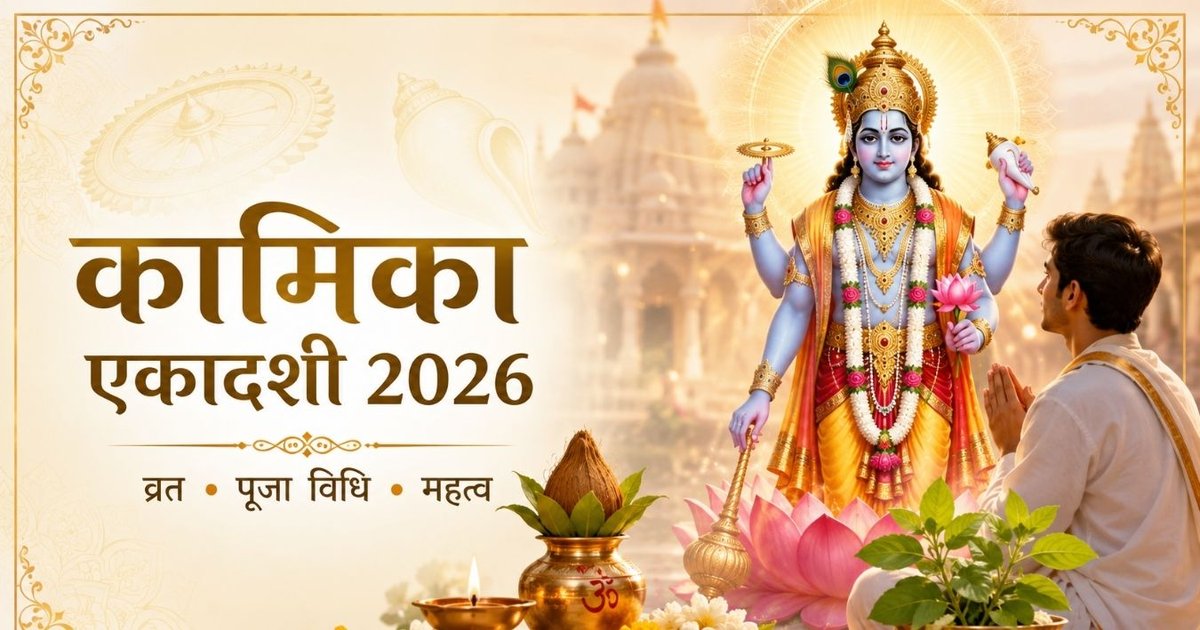
Honouring the sacred cycle: the devotional heart of Ekadashi observance
Ekadashi, the eleventh tithi of each lunar fortnight, holds a uniquely exalted place in the Vaishnava calendar and in broader Hindu devotional life. There are twenty-four Ekadashis across the year -- each with its own name, mythology, and character -- and the Ekadashi Mata Aarti honours this sacred cycle as a living, divine presence rather than merely a date on the calendar. The aarti evokes a mood of disciplined devotion and gratitude, acknowledging that the practice of fasting and prayer on Ekadashi is itself understood as an act of deep surrender to the divine will. Devotees approach Ekadashi Mata not only as the presiding deity of the day but as a guide toward self-purification and spiritual clarity.
The observance is traditionally associated with Lord Vishnu, and devotees believe that keeping the Ekadashi fast -- accompanied by prayer, nama-japa, and the singing of this aarti -- pleases the Lord and helps dissolve the accumulated weight of past actions. The aarti is typically recited in the evening after the full day of fasting, and again at the dawn of the Dwadashi tithi before breaking the fast, creating a devotional arc that spans an entire night of spiritual wakefulness. What makes this composition particularly valuable is that it encompasses the entire year's Ekadashi cycle in a single act of praise, making it a beautifully comprehensive expression of lunar devotion.