Parivartini Ekadashi 2026: Date, Shubh Muhurat, Paran Time, Vrat Katha & Mantra
Parivartini Ekadashi 2026 falls on Tuesday, 22 September 2026. It is the Ekadashi of the Shukla paksha of Bhadrapada — the day the sleeping Lord turns over — and the fast is broken (paran) on Wednesday, 23 September 2026 between 06:10 AM and 10:51 PM.
Below is the complete guide to Parivartini Ekadashi 2026: the tithi timings, the shubh muhurat, the paran window and how it was worked out, the vrat vidhi, the vrat katha and the mantras of Lord Vamana, the fifth avatar of Vishnu. Every date and time on this page is computed from our own Vedic panchang for Delhi, not copied from a calendar — you can check any of them yourself on our free daily Panchang.
Parivartini Ekadashi 2026: date, tithi and paran
| Vrat date | Tuesday, 22 September 2026 |
|---|---|
| Lunar month & paksha | Bhadrapada, Shukla Paksha |
| Ekadashi tithi begins | Monday, 21 September 2026 at 08:02 PM |
| Ekadashi tithi ends | Tuesday, 22 September 2026 at 09:44 PM |
| Paran (fast-breaking) | Wednesday, 23 September 2026, 06:10 AM to 10:51 PM |
| Nakshatra / Yoga | Shravana (lord Moon) / Atiganda |
Parivartini Ekadashi 2026 shubh muhurat (Delhi)
- Brahma Muhurat: 04:33 AM to 05:21 AM
- Abhijit Muhurat: 11:50 AM to 12:38 PM
- Sunrise / Sunset: 06:09 / 18:18
- Rahu Kaal (avoid): 03:16 PM to 04:47 PM
The Moon is in Shravana — Vishnu’s own nakshatra, the one named for listening — which is a fitting star for a day whose main observance is hearing the katha. Our engine also shows the Atiganda yoga running, which is counted among the difficult yogas: it does not affect the vrat, but it is a poor day to begin an unrelated new venture.
These timings are for Delhi. Sunrise moves by up to about forty minutes across India, and the muhurats move with it — enter your own city on the Panchang for your local figures.
Parivartini Ekadashi paran (fast-breaking) time
The paran is on Wednesday, 23 September 2026, from 06:10 AM to 10:51 PM. Hari Vasara ends at 04:00 AM on 23 September, before sunrise, so paran may be done from sunrise onward — and the earlier the better.
The window is worked out this way: the fast is broken on Dwadashi, after sunrise, once Hari Vasara — the first quarter of the Dwadashi tithi, in which paran is forbidden — has passed, and before the Dwadashi tithi itself ends. Breaking the fast early in the window is considered better than late, and leaving it until after Dwadashi has ended is held to undo the merit of the fast.
Significance of Parivartini Ekadashi
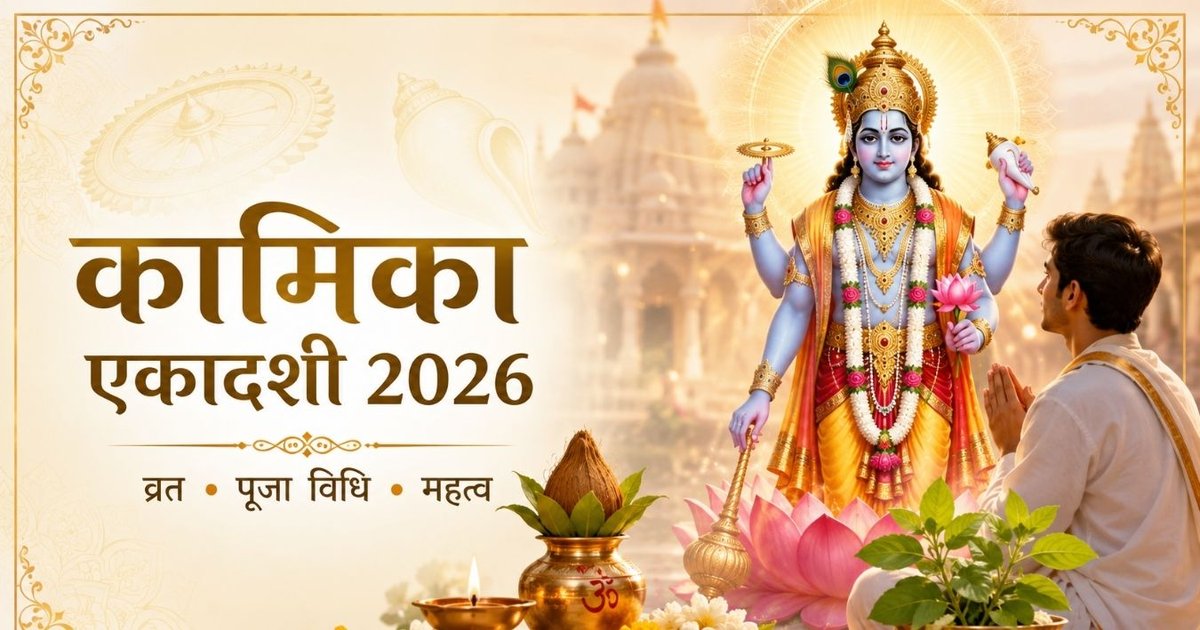
Parivartini Ekadashi — also called Parsva, Vamana or Jaljhulani Ekadashi — falls in the middle of Chaturmas, the four months Lord Vishnu is said to spend in yoga-nidra. Parivartan means "to turn". On this day the Lord is said to turn from one side to the other in his cosmic sleep, and that single movement is the whole meaning of the fast: a turning point. It is kept by people waiting for a situation to shift — a stalled case, a stuck career, a decision that will not resolve. The associated avatar is Vamana, who asked for three paces of land and changed the order of the universe with them.
Parivartini Ekadashi vrat vidhi — how to keep the fast
- Rise in the Brahma Muhurat (04:33 AM to 05:21 AM), bathe, and take the sankalpa — say plainly what the fast is for.
- Clean the puja space, place an image or idol of Lord Vamana, the fifth avatar of Vishnu, and light a ghee lamp.
- Offer tulsi leaves, yellow flowers, sandalwood, incense, fruit and panchamrit. Tulsi is essential to any Vishnu vrat — but never pluck tulsi on the Ekadashi day itself; pick the leaves the evening before.
- Chant the Vishnu mantras below and read or listen to the Parivartini Ekadashi vrat katha.
- Keep the fast as your health allows — nirjala (waterless) is the strictest form and is optional; phalahar with fruit, milk and water is the common practice. Rice and grains are avoided by everyone keeping any Ekadashi.
- Spend the evening in bhajan and the aarti of Lord Vishnu. Many households stay awake (jagran) through the night.
- Break the fast (paran) the next day inside the window given above, after offering food and dakshina to a brahmin or to someone in need.
Parivartini Ekadashi vrat katha
The daitya king Bali, grandson of Prahlada, had conquered the three worlds. He was no tyrant — he was generous, truthful and devoted — but the gods had been displaced, and a rule held by force cannot last however good the ruler. Indra and the devas went to Vishnu.
Vishnu was born to Aditi and Kashyapa as Vamana, a brahmin boy, small and unremarkable. He walked into Bali’s great sacrifice and asked for a beggar’s portion: three paces of land, measured by his own feet. Bali’s guru Shukracharya saw exactly who the boy was and warned the king not to promise. Bali had already given his word. He would not take it back.
The boy grew. One stride covered the earth, the second the heavens, and there was nowhere left for the third. Bali bowed his head and offered it — place your foot here. Vishnu set his foot on Bali’s head and pressed him to the netherworld, and then, because the king had kept his word to the last, granted him the rule of Sutala and stood himself as its gatekeeper.
It is in that netherworld, on the Bhadrapada Shukla Ekadashi, that the sleeping Lord is said to turn onto his other side. Keeping the fast on this day, and hearing this katha, is held to change what is stuck — because the story itself is about the moment a settled order turned over.
Mantras to chant on Parivartini Ekadashi
Chant these during the puja and through the day’s japa:
ॐ नमो भगवते वासुदेवाय॥
ॐ नमो नारायणाय॥
शान्ताकारं भुजगशयनं पद्मनाभं सुरेशं
विश्वाधारं गगनसदृशं मेघवर्णं शुभाङ्गम्॥
ॐ श्रीं ह्रीं क्लीं महालक्ष्म्यै नमः॥
The complete aarti, chalisa and mantra texts are in our devotional library, and the Ekadashi Mata aarti is the one most families sing at the evening lamp.
Book a puja for Parivartini Ekadashi 2026
The Vamana katha turns on three paces of land, which is why families beginning construction often keep this Ekadashi and follow it with a Bhoomi Pujan. If you would rather have it performed properly by pandits on your behalf, with sankalp in your name, a recorded video, photographs and prasad couriered to you, these are the two that fit this vrat:
- Satyanarayan Katha Puja — from ₹3,100
- Bhoomi Pujan — from ₹5,000
Every puja is available in Individual, Family and Maha tiers; the full list is in the online puja store.
Parivartini Ekadashi 2026: FAQs
When is Parivartini Ekadashi in 2026?
Parivartini (Parsva / Vamana) Ekadashi 2026 is on Tuesday, 22 September. The tithi runs from 08:02 PM on 21 September to 09:44 PM on 22 September.
What is the Parivartini Ekadashi 2026 paran time?
The paran is on Wednesday, 23 September 2026, from 06:10 AM to 10:51 PM (Delhi). Hari Vasara ends at 04:00 AM that day, so the fast may be broken any time from sunrise — earlier is considered better.
Why is it called Parivartini Ekadashi?
Because Lord Vishnu, asleep through Chaturmas, is said to turn onto his other side on this day. Parivartan means to turn, and the vrat is associated with a turning point in a stuck situation.
Which avatar is worshipped on Parivartini Ekadashi?
Lord Vamana, the fifth avatar of Vishnu, whose story of three paces of land is the katha of this Ekadashi.
Whether this vrat helps you the way the katha promises depends on far more than the date: it depends on which dasha you are running and what your own chart is doing. Start with your free birth chart on Free Kundli, get the detailed 46-page Kundli report for ₹49, or talk to an astrologer about the right vrat and remedy for your chart. Planning a ceremony? The free Muhurat finder will rank the days for you.
More from this series: Putrada Ekadashi · Kamika Ekadashi · Devshayani Ekadashi · Aja Ekadashi.
Note: dates and timings on this page are computed from our own Vedic panchang for Delhi (28.61°N, 77.21°E) and follow the Purnimanta lunar month used in North India. They can differ by city and by calendar tradition. The paran window follows the standard rule — after sunrise, after Hari Vasara, before Dwadashi ends. Please confirm with your family’s panchang or a learned pandit before observing the vrat.