Shri Shivashtak (Adi Anadi Anant Akhand): Text, Meaning & Benefits
Shri Shivashtak (Adi Anadi Anant Akhand) - Text
आदि अनादि अनंत अखंड,
अभेद अखेद सुबेद बतावैं ।
अलख अगोचर रुप महेस कौ,
जोगि जती मुनि ध्यान न पावैं ॥
आगम निगम पुरान सबै,
इतिहास सदा जिनके गुन गावैं ।
बड़भागी नर नारि सोई, जो सांब सदासिव कौं नित ध्यावैं ॥
सृजन सुपालन लय लीला हित,
जो विधि हरि हर रुप बनावैं ।
एकहि आप विचित्र अनेक,
सुबेष बनाइ कैं लीला रचावैं ॥
सुंदर सृष्टि सुपालन करि,
जग पुनि बन काल जु खाय पचावैं ।
बड़भागी नर नारि सोई, जो सांब सदासिव कौं नित ध्यावैं ॥
अगुन अनीह अनामय अज,
अविकार सहज निज रुप धरावैं ।
परम सुरम्य बसन आभूषण,
सजि मुनि मोहन रुप करावैं ॥
ललित ललाट बाल बिधु विलसै,
रतन हार उर पै लहरावैं ।
बड़भागी नर नारि सोई, जो सांब सदासिव कौं नित ध्यावैं ॥
अंग विभूति रमाय मसान की,
विषमय भुजगनि कौं लपटावैं ।
नर कपाल कर मुंडमाल गल,
भालु चरम सब अंग उढावैं ॥
घोर दिगंबर लोचन तीन,
भयानक देखि कैं सब थर्रावैं ।
बड़भागी नर नारि सोई, जो सांब सदासिव कौं नित ध्यावैं ॥
सुनतहि दीन की दीन पुकार,
दयानिधि आप उबारन धावैं ।
पहुँच तहाँ अबिलंब सुदारुन,
मृत्यु को मर्म विदारि भगावैं ॥
मुनि मृकंडु सुत की गाथा,
सुचि अजहुँ बिग्यजन गाइ सुनावैं ।
बड़भागी नर नारि सोई, जो सांब सदासिव कौं नित ध्यावैं ॥
चाउर चारि जो फूल धतूर के,
बेल के पात औ पानि चढावैं ।
गाल बजाय कै बोल जो,
'हर हर महादेव' धुनि जोर लगावैं ॥
तिनहिं महाफल देय सदासिव,
सहजहि भुक्ति मुक्ति सो पावैं ।
बड़भागी नर नारि सोई, जो सांब सदासिव कौं नित ध्यावैं ॥
बिनसि दोष दुख दुरित दैन्य,
दारिद्र्य नित्य सुख सांति मिलावैं ।
आसुतोष हर पाप ताप सब,
निरमल बुध्दि चित्त बकसावैं ॥
असरन सरन काटि भव बंधन,
भव निज भवन भव्य बुलवावैं ।
बड़भागी नर नारि सोई, जो सांब सदासिव कौं नित ध्यावैं ॥
औढरदानि उदार अपार जु,
नैकु सी सेवा तें ढुरि जावैं ।
दमन असांति समन सब संकट,
विरद बिचार जनहि अपनावैं ॥
ऐसे कृपालु कृपामय देब के,
क्यों न सरन अबहीं चलि जावैं ।
बड़भागी नर नारि सोई, जो सांब सदासिव कौं नित ध्यावैं ॥
Transliteration (Roman/IAST)
ādi anādi anaṃta akhaṃḍa, abheda akheda subeda batāvaiṃ |
alakha agocara rupa mahesa kau, jogi jatī muni dhyāna na pāvaiṃ ||
āgama nigama purāna sabai, itihāsa sadā jinake guna gāvaiṃ |
baḍabhāgī nara nāri soī, jo sāmba sadāsiva kauṃ nita dhyāvaiṃ ||
(each of the eight stanzas closes with the same refrain - "Fortunate are those men and women who ever meditate on Samba Sadashiva")
auḍharadāni udāra apāra ju, naiku sī sevā teṃ ḍhuri jāvaiṃ |
damana asāṃti samana saba saṃkaṭa, virada bicāra janahi apanāvaiṃ ||
aise kṛpālu kṛpāmaya deba ke, kyoṃ na sarana abahīṃ cali jāvaiṃ |
baḍabhāgī nara nāri soī, jo sāmba sadāsiva kauṃ nita dhyāvaiṃ ||
Meaning
This eight-stanza hymn praises Shiva (Samba Sadashiva - Shiva united with Ambika) and ends every stanza with the same refrain: "Fortunate indeed are those men and women who ever meditate on Samba Sadashiva." The first stanza calls him beginningless, endless and indivisible - the unmanifest, imperceptible form of Mahesha that even yogis, ascetics and sages cannot grasp in meditation, yet whose glories the Vedas, Agamas, Puranas and Itihasas forever sing. The second describes him taking the forms of Brahma, Vishnu and Hara to create, sustain and dissolve the world in play, one yet appearing as many. The third praises his attributeless, changeless nature, and his enchanting form adorned with gems, the crescent moon shining on his brow. The fourth paints his terrifying aspect - body smeared with crematorium ash, venomous serpents coiled about him, a garland of skulls, a tiger-skin, three eyes, naked and fearsome. The fifth tells how, hearing the cry of the helpless, the ocean of compassion rushes to save them, even tearing apart death itself - recalling the story of Markandeya, the sage Mrikandu's son. The sixth promises that whoever offers just a few grains of rice, datura and dhatura flowers, bilva leaves and water, and loudly cries "Har Har Mahadev," receives the great fruit of both worldly enjoyment and liberation. The seventh declares that Shiva destroys faults, sorrow, sin and poverty and grants ever-lasting peace, pure intellect and freedom from the bonds of existence. The eighth marvels at "Audhar-dani," the boundlessly generous Lord who melts at the slightest service and dispels every distress - asking, why not take refuge in such a merciful God this very moment?
About this Stotra
This Shivashtak - known by its opening words "Adi Anadi Anant Akhand" - is a devotional ashtak (eight-stanza hymn) composed in the Braj-bhasha idiom of north India rather than in classical Sanskrit. It belongs to the rich tradition of vernacular Shaiva bhakti poetry and is widely sung in temples and homes during Shiva worship, especially on Maha Shivaratri and in the month of Shravana. Its structure is that of a sung pada: a body describing the many aspects of Shiva - transcendent and terrifying, creator and saviour - capped each time by the rousing refrain that blesses all who meditate on Samba Sadashiva. Because it is a traditional bhajan, it is reproduced here as it is popularly recited.
Significance & Spiritual Benefits
The hymn's great theme is the supreme accessibility of Shiva, the Ashutosha ("easily pleased"). It assures the devotee that the Lord who cannot be reached by the austerities of yogis nonetheless rushes to save the helpless and grants both enjoyment (bhukti) and liberation (mukti) for the simplest offering of bilva leaves, water and the cry of "Har Har Mahadev." Singing it cultivates faith, surrender and fearlessness, and is held to destroy faults, sorrow, sin and poverty while bestowing peace, pure intellect and freedom from worldly bondage - all explicitly promised in its verses. Its repeated refrain plants in the heart the conviction that devotion to Shiva is the most fortunate of all paths.
Astrological Relevance
As a hymn to Shiva the ocean of mercy, this Shivashtak is a remedy for the harshest karmic influences in a horoscope. Shiva is the presiding deity for Shani (Saturn), Rahu and Ketu, and his refuge is sought during Sade Sati, the nodal dashas and Maha-dasha junctions, when life feels most testing. The hymn's vivid promise that Shiva "tears apart death itself" - recalling Markandeya, the very prototype of the Maha-Mrityunjaya deliverance - makes it especially apt for strengthening longevity factors and a weak Lagna (ascendant) lord. Its prayer to dispel poverty and grant lasting prosperity supports the second and eleventh houses of wealth, while the crescent moon on Shiva's brow links it to mental peace and a troubled Chandra (Moon). It is recited on Mondays and during Pradosha for overall planetary grace.
How to Chant (Vidhi)
Bathe and sit before a Shiva lingam or image, facing east or north. Light a lamp and offer bilva (bel) leaves, water, dhatura flowers, white flowers and akshata, exactly as the sixth stanza describes. Sing the eight stanzas melodiously, raising the cry "Har Har Mahadev" with the refrain, as the hymn itself encourages. It is well suited to congregational singing. Conclude by offering the lamp (aarti) and prostrating with "Om Namah Shivaya."
Best Day & Time
Monday (Somvar), the Pradosha twilight, Maha Shivaratri and the month of Shravana are the most auspicious occasions. The Brahma-muhurta and the evening Pradosha hour are ideal, though as a bhajan it may be sung at any time of devotion.
Frequently Asked Questions
What does the refrain mean?
The refrain "Badbhagi nara-nari soi, jo Samba Sadashiva kaun nita dhyavain" means "Fortunate indeed are those men and women who ever meditate on Samba Sadashiva (Shiva united with Ambika)." It closes each of the eight stanzas.
Is this hymn in Sanskrit?
No. Unlike the Sanskrit Shivashtakas of Shankaracharya, this hymn is composed in Braj-bhasha, the devotional Hindi of north India. It belongs to the tradition of sung Shaiva bhajans and is reproduced as popularly recited.
What are its benefits?
It is sung for refuge in Shiva, fearlessness, and the destruction of faults, sorrow, sin and poverty, and it promises both worldly well-being and liberation for the simplest devotion. It is especially cherished on Maha Shivaratri and in Shravana.
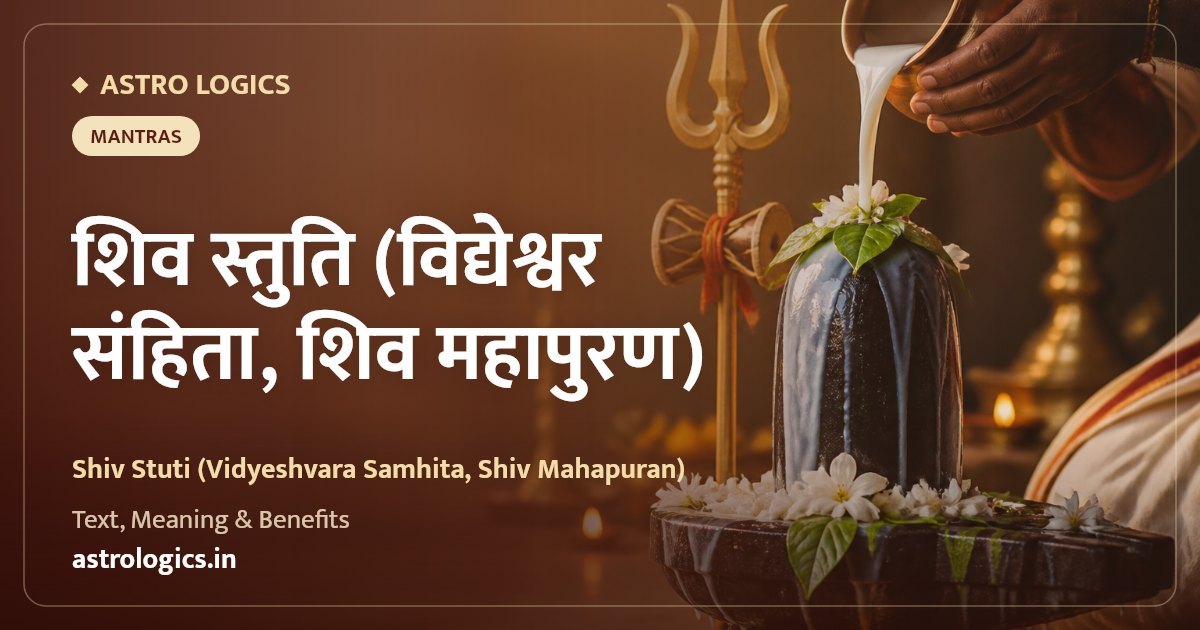
Eight refrains that hold the infinite in Braj bhasha
What sets the Shri Shivashtak known as Adi Anadi Anant Akhand apart from many Sanskrit Shiva hymns is its warm Braj-bhasha idiom - the very dialect in which saints of the Vraj region sang their love for the divine. Each of the eight stanzas builds a fresh image of Shiva's boundless nature: beginningless, endless, undivided, and utterly beyond the grasp of reason - yet intimately present to the heart of a surrendered devotee. The closing refrain, calling fortunate those who ever meditate on Samba Sadashiva, functions as both a teaching and an invitation, reminding the reciter that remembrance itself is the fruit. The epithet Ashutosha, the easily pleased one, softens the cosmic immensity of Shiva into a compassionate presence who responds swiftly to sincere devotion.
Devotees traditionally recite this hymn on Mondays, Shivaratri, and during Shravan month, when Shiva worship reaches its seasonal intensity. It is equally beloved at Shiva temples during abhisheka ceremonies, where its flowing metre matches the rhythmic pour of sacred offerings. In the Jyotish tradition, Shiva hymns are associated with Shani (Saturn), and devotees believe that sincere recitation can ease the weight of Shani's transits and bring Shiva's protective grace to those passing through challenging planetary periods. The hymn's dual promise of bhoga (worldly fulfilment) and moksha (liberation) reflects the breadth of Shaiva grace, offering something meaningful to every stage of a devotee's journey.