Discover the Power of Hanuman Mantra: A Comprehensive Guide
Hanuman Mantra (Sanskrit / Hindi)
ॐ हनुमते नमः ॥
ॐ आञ्जनेयाय विद्महे वायुपुत्राय धीमहि ।
तन्नो हनुमत् प्रचोदयात् ॥
Om Hanumate Namah · Hanuman Gayatri Mantra.
Introduction to Hanuman Mantras
In the vast tapestry of Hindu spirituality, few figures are as revered and beloved as Hanuman, the mighty monkey god. Known for his unwavering devotion, incredible strength, and boundless wisdom, Hanuman has inspired millions of devotees across the centuries. One of the most powerful ways to connect with this divine being is through the recitation of Hanuman mantra. These sacred sound formulas are believed to invoke Hanuman’s blessings, protection, and transformative energy.
In this comprehensive guide, we’ll explore the world of Hanuman mantras, their significance, benefits, and how to incorporate them into your spiritual practice. Whether you’re a seasoned practitioner or new to the concept of mantras, this article will provide you with valuable insights and practical tips to enhance your connection with Hanuman.
Understanding Hanuman: The Monkey God
Who is Hanuman?
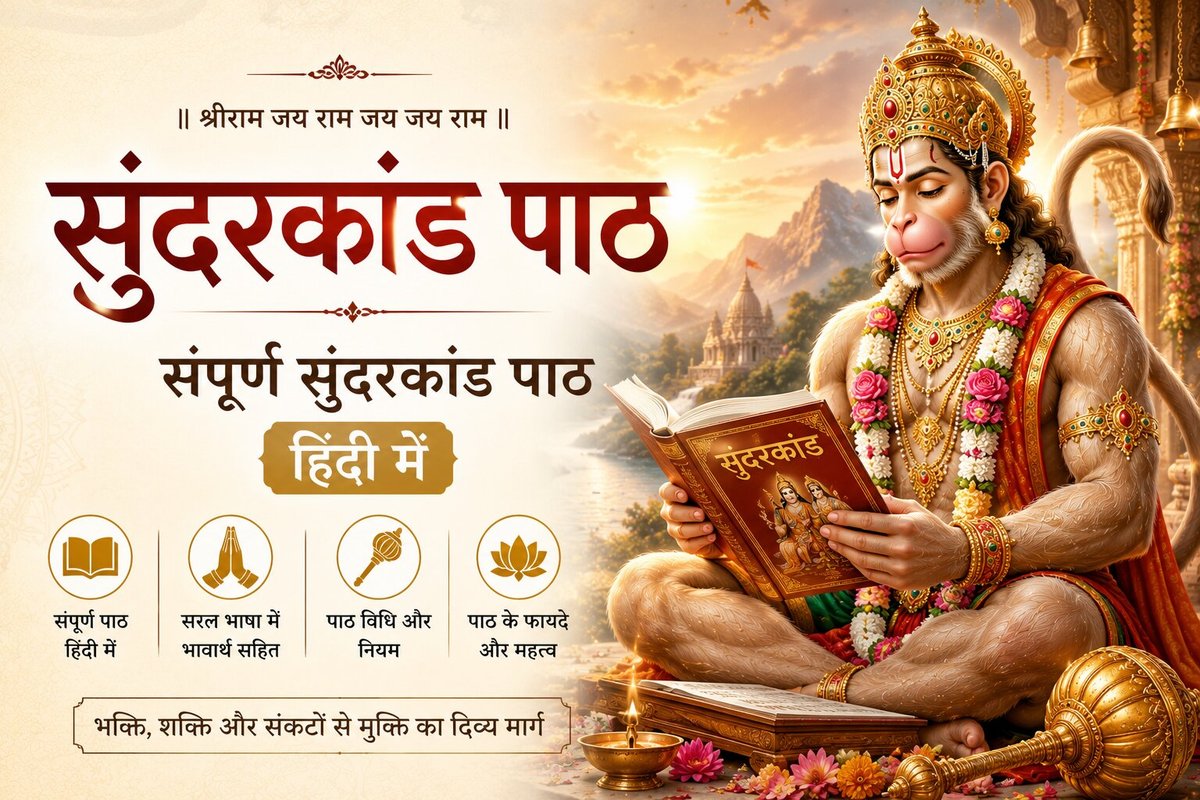
Hanuman is a central figure in Hindu mythology, particularly in the epic Ramayana. He is revered as a symbol of strength, devotion, and selfless service. Hanuman is often depicted as a monkey with a human-like body, carrying a mace and wearing a sacred thread.
Hanuman’s Qualities and Symbolism
- Unwavering devotion to Lord Rama
- Superhuman strength and abilities
- Wisdom and intelligence
- Humility and selflessness
- Courage and fearlessness
These qualities make Hanuman a beloved deity and a source of inspiration for millions of devotees worldwide.
The Power of Mantras
What are Mantras?
Mantras are sacred sound formulas that have been used in spiritual practices for thousands of years. They are believed to carry powerful vibrations that can influence our consciousness, energy, and even the world around us.
How Do Mantras Work?
Mantras work on multiple levels:
- Sound vibration: The specific sounds in mantras are thought to create positive vibrations in the body and mind.
- Focus and concentration: Repeating a mantra helps to quiet the mind and improve concentration.
- Intention and belief: The meaning and intention behind the mantra can have a powerful effect on our thoughts and actions.
Popular Hanuman Mantras
Let’s explore some of the most powerful and widely-used Hanuman mantras:
1. Om Hanumate Namah
This simple yet potent mantra translates to “Om, I bow to Hanuman.” It’s an excellent starting point for those new to Hanuman mantras.
2. Om Sri Hanumate Namah
A slight variation of the previous mantra, this one adds “Sri” as a term of respect, enhancing the devotional aspect.
3. Hanuman Chalisa
While not a single mantra, the Hanuman Chalisa is a 40-verse devotional hymn dedicated to Hanuman. Many devotees recite it daily for protection and blessings.
4. Om Hring Hanumate Rudratmakaya Hum Phat
This more complex mantra is believed to invoke Hanuman’s fierce protective energy and is often used for overcoming obstacles.
5. Hanuman Gayatri Mantra
Om Anjaneyaya Vidmahe Vayuputraya Dhimahi Tanno Hanuman Prachodayat
This mantra is a powerful invocation of Hanuman’s wisdom and strength.
Benefits of Chanting Hanuman Mantras
Devotees and practitioners report numerous benefits from regular recitation of Hanuman mantras:
- Increased strength and courage
- Protection from negative energies
- Improved focus and concentration
- Enhanced devotion and spiritual connection
- Overcoming obstacles in life
- Healing of physical and emotional ailments
- Boost in self-confidence
It’s important to note that while many people experience these benefits, individual experiences may vary. The power of mantras is often linked to one’s faith, dedication, and regularity of practice.
How to Practice Hanuman Mantras
Preparation
Before beginning your mantra practice, consider the following:
- Choose a quiet, clean space for your practice
- Set up a small altar with an image or statue of Hanuman if desired
- Light a candle or incense to create a sacred atmosphere
- Sit comfortably in a cross-legged position or on a chair with your spine straight
Techniques for Chanting
- Vocal chanting: Start by chanting the mantra out loud. This helps to familiarize yourself with the sounds and rhythm.
- Whispered chanting: Once comfortable, try chanting in a whisper. This can help deepen your focus.
- Mental chanting: Advanced practitioners often chant mentally, allowing for a more internal and meditative experience.
Using a Mala
A mala is a string of 108 beads used to count mantra repetitions. To use a mala:
- Hold the mala in your right hand
- Start with the bead next to the larger “guru” bead
- Move your thumb and middle finger along each bead as you chant
- When you reach the guru bead, flip the mala and continue in the opposite direction
Timing and Frequency
- Start with 5-10 minutes daily and gradually increase as you feel comfortable
- Many practitioners aim for 108 repetitions of a mantra (one full round of a mala)
- Consistency is key - a short daily practice is more beneficial than occasional long sessions
Integrating Hanuman Mantras into Daily Life
Mantra practice doesn’t have to be confined to formal meditation sessions. Here are some ways to incorporate Hanuman mantras into your daily routine:
- Morning ritual: Start your day by chanting a Hanuman mantra to set a positive tone.
- During commutes: Use travel time for mental mantra repetition.
- Before challenging tasks: Chant a quick mantra for strength and courage when facing difficulties.
- As a lullaby: End your day with gentle mantra chanting to promote peaceful sleep.
- During exercise: Synchronize your mantra with your breath during yoga or other physical activities.
Hanuman Mantra in Pop Culture and Modern Times
The influence of Hanuman and his mantras extends beyond traditional spiritual circles. In recent years, there has been a growing interest in ancient wisdom and practices, leading to:
- Inclusion of Hanuman mantras in yoga classes worldwide
- Popular music artists incorporating Hanuman mantras into their songs
- Hanuman-themed jewelry and clothing becoming fashion statements
- Increased scientific research on the effects of mantra chanting on the brain and body
This widespread adoption speaks to the universal appeal of Hanuman’s qualities and the power of mantra practice.
Conclusion: Embracing the Transformative Power of Hanuman Mantras
As we’ve explored in this comprehensive guide, Hanuman mantras offer a powerful tool for spiritual growth, personal transformation, and connecting with the divine. Whether you’re seeking strength, protection, healing, or simply a deeper sense of peace, the practice of chanting Hanuman mantras can be a profound addition to your spiritual journey.
Remember, the key to experiencing the full benefits of mantra practice lies in consistency, sincerity, and an open heart. Start small, be patient with yourself, and allow the vibrations of these ancient sounds to work their magic in your life.
As you embark on or deepen your journey with Hanuman mantras, may you find the strength, courage, and devotion that Hanuman embodies. Let these sacred sounds guide you toward greater self-awareness, inner peace, and spiritual growth.
For interesting astrology-related videos, subscribe to us on Youtube
Common Questions about Hanuman Mantras
Q1: Do I need to be Hindu to chant Hanuman mantras?
A: While Hanuman mantras originate from Hindu tradition, many people from various backgrounds practice them for their spiritual and psychological benefits. The most important factors are respect for the practice and sincerity in your approach.
Q2: Can I chant Hanuman mantras if I don’t understand Sanskrit?
A: Yes, you can. The power of mantras is believed to lie in their sound vibrations as much as their meaning. However, understanding the meaning can enhance your connection and intention.
Q3: How long does it take to see results from mantra practice?
A: The effects of mantra practice can vary greatly from person to person. Some people report immediate feelings of peace or energy, while for others, the benefits unfold gradually over time. Consistent practice is key.
Q4: Are there any specific days or times best for chanting Hanuman mantras?
A: While Hanuman mantras can be chanted at any time, Tuesday and Saturday are considered particularly auspicious days for Hanuman worship. Early morning (during Brahma Muhurta, about 1.5 hours before sunrise) is often recommended for spiritual practices.
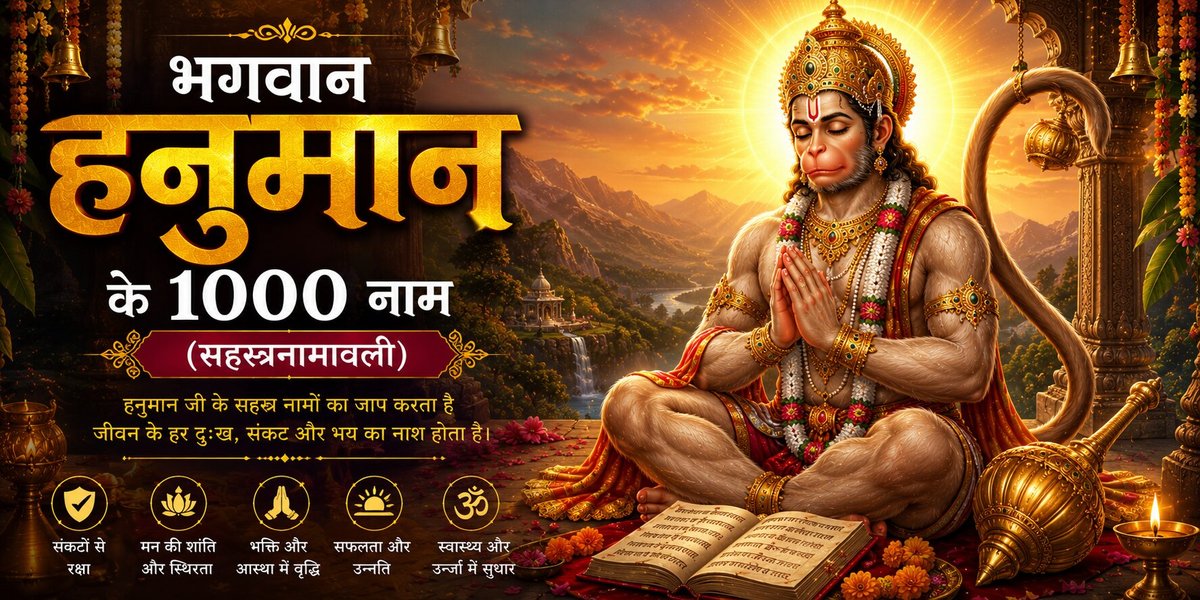
Hanuman's many sacred names as a path to inner strength
The tradition of Hanuman mantras is as diverse as it is deep, spanning Vedic syllables, bija formulas, Puranic verses, and folk invocations passed down through lineages of wrestlers, soldiers, and wandering sadhus. What unites all these sacred sound formulas is the singular figure they invoke: Hanuman as the embodiment of selfless devotion, fearless courage, and untiring service. Whether one chants the simple Om Hanumate Namah or the elaborate Panchamukha Hanuman Mantra, the intention is the same - to draw near to one whose every quality the tradition holds up as an ideal for embodied life in this world.
In the Jyotish tradition, Hanuman is the presiding deity invoked to pacify the influence of Saturn (Shani) and to counter the disturbances of Rahu and Ketu. Tuesdays and Saturdays are the traditional days for Hanuman mantra sadhana, and devotees believe that consistent, sincere chanting builds a protective field around the practitioner, dissolving obstacles and stabilising the mind under pressure. The power attributed to these mantras in the bhakti tradition is ultimately inseparable from the quality of surrender they cultivate - Hanuman's strength, the tradition teaches, flows entirely from his offering of every faculty to Lord Rama. Sadhaks are encouraged to approach these mantras with the same spirit: not to acquire power, but to dedicate one's efforts completely and trust in the grace of the divine.