Sadashiva Ashtakam: Sanskrit Text, Meaning & Benefits of the Shiva Hymn
Sadashiv Ashtakam - Sanskrit Text
सुवर्णपद्मिनीतटान्तदिव्यहर्म्यवासिने
सुपर्णवाहनप्रियाय सूर्यकोटितेजसे ।
अपर्णया विहारिणे फणाधरेन्द्रधारिणे
सदा नमश्शिवाय ते सदाशिवाय शम्भवे ॥ १॥
सतुङ्गभङ्गजह्नुजासुधांशुखण्डमौलये
पतङ्गपङ्कजासुहृत्कृपीटयोनिचक्षुषे ।
भुजङ्गराजमण्डलाय पुण्यशालिबन्धवे
सदा नमश्शिवाय ते सदाशिवाय शम्भवे ॥ २॥
चतुर्मुखाननारविन्दवेदगीतभूतये
चतुर्भुजानुजाशरीरशोभमानमूर्तये ।
चतुर्विधार्थदानशौण्डताण्डवस्वरूपिणे
सदा नमश्शिवाय ते सदाशिवाय शम्भवे ॥ ३॥
शरन्निशाकरप्रकाशमन्दहासमञ्जुला-
धरप्रवालभासमानवक्त्रमण्डलश्रिये ।
करस्फुरत्कपालमुक्तरक्तविष्णुपालिने
सदा नमश्शिवाय ते सदाशिवाय शम्भवे ॥ ४॥
सहस्रपुण्डरीकपूजनैकशून्यदर्शनात्
सहस्रनेत्रकल्पितार्चनाच्युताय भक्तितः ।
सहस्रभानुमण्डलप्रकाशचक्रदायिने
सदा नमश्शिवाय ते सदाशिवाय शम्भवे ॥ ५॥
रसारथाय रम्यपत्रभृद्रथाङ्गपाणये
रसाधरेन्द्रचापशिञ्जिनीकृतानिलाशिने ।
स्वसारथीकृताजनुन्नवेदरूपवाजिने
सदा नमश्शिवाय ते सदाशिवाय शम्भवे ॥ ६॥
अतिप्रगल्भवीरभद्रसिंहनादगर्जित-
श्रुतिप्रभीतदक्षयागभोगिनाकसद्मनाम् ।
गतिप्रदाय गर्जिताखिलप्रपञ्चसाक्षिणे
सदा नमश्शिवाय ते सदाशिवाय शम्भवे ॥ ७॥
मृकण्डुसूनुरक्षणावधूतदण्डपाणये
सुगन्धमण्डलस्फुरत्प्रभाजितामृतांशवे ।
अखण्डभोगसम्पदर्थलोकभावितात्मने
सदा नमश्शिवाय ते सदाशिवाय शम्भवे ॥ ८॥
मधुरिपुविधिशक्रमुख्यदेवैरपि नियमार्चितपादपङ्कजाय ।
कनकगिरिशरासनाय तुभ्यं रजतसभापतये नमश्शिवाय ॥ ९॥
हालास्यनाथाय महेश्वराय हालाहलालङ्कृतकन्धराय ।
मीनेक्षणायाः पतये शिवाय नमो नमस्सुन्दरताण्डवाय ॥ १०॥
॥ इति श्रीहालास्यमाहात्म्ये पतञ्जलिकृतं सदाशिवाष्टकं सम्पूर्णम् ॥
Transliteration (Roman/IAST)
suvarṇa-padminī-taṭānta-divya-harmya-vāsine
suparṇa-vāhana-priyāya sūrya-koṭi-tejase |
aparṇayā vihāriṇe phaṇādharendra-dhāriṇe
sadā namaś śivāya te sadāśivāya śambhave || 1 ||
satuṅga-bhaṅga-jahnujā-sudhāṁśu-khaṇḍa-maulaye
pataṅga-paṅkajā-suhṛt-kṛpīṭa-yoni-cakṣuṣe |
bhujaṅga-rāja-maṇḍalāya puṇya-śāli-bandhave
sadā namaś śivāya te sadāśivāya śambhave || 2 ||
(verses 3–8 continue in the same metre, each closing with the refrain "sadā namaś śivāya te sadāśivāya śambhave")
madhu-ripu-vidhi-śakra-mukhya-devair api niyamārcita-pāda-paṅkajāya |
kanaka-giri-śarāsanāya tubhyaṁ rajata-sabhā-pataye namaś śivāya || 9 ||
hālāsya-nāthāya maheśvarāya hālāhalālaṅkṛta-kandharāya |
mīnekṣaṇāyāḥ pataye śivāya namo namas sundara-tāṇḍavāya || 10 ||
Meaning
I bow forever to you, Shiva, the ever-auspicious Sadashiva, source of all happiness (Shambhu): to him who dwells in the divine mansion on the banks of the golden lotus-lake, who is dear to the rider of Garuda (Vishnu), who shines with the radiance of a crore suns; who sports with Aparna (Parvati) and wears the king of serpents.
I bow to him whose crown bears the crescent of the Moon and the surging stream of the Ganga; whose three eyes are the Sun, the Moon and Fire; who is encircled by the lord of serpents and is the kinsman of the meritorious. I salute him whose being is sung by the Vedas through the four-faced Brahma's lotus mouth, whose form shines with his consort beside him, who is generous in granting the four aims of life and whose very nature is the cosmic Tandava dance.
I bow to him whose face glows like the autumn moon with a gentle smile and coral-red lips; who once held the skull and protected Vishnu; who is the unfailing one worshipped by Vishnu with a thousand lotuses - and when one was missing, with one of his own thousand eyes - and was rewarded with the Sudarshana disc. I salute the witness of all creation, the giver of liberation, terror of the Daksha sacrifice through Virabhadra's lion-roar; the protector of Markandeya who spurned away the rod of Death (Yama); the radiant one whose splendour outshines nectar.
I bow to you whose lotus feet are worshipped with vows by Vishnu, Brahma, Indra and the chief gods; who made the golden mountain (Meru) his bow; the Lord of the silver hall (Chidambaram/Madurai). I bow again and again to the Lord of Halasya (Madurai), the great Lord, whose throat is adorned by the Halahala poison, the consort of the fish-eyed Goddess Meenakshi, the beautiful dancer of the Tandava.
About this Stotra
The Sadashiva Ashtakam is an eight-versed hymn (with two concluding verses) drawn from the Halasya Mahatmya - the temple-lore of the great Meenakshi-Sundareshwara shrine at Madurai - and traditionally attributed to the sage Patanjali. Each of the eight principal verses is a dense garland of epithets describing Lord Shiva in his supreme, eternal form as Sadashiva, and every verse closes with the same powerful refrain: "sadā namaś śivāya te sadāśivāya śambhave." The poetry is highly ornate, packed with allusions to Puranic episodes - Shiva wearing the serpent and the crescent, the burning of Daksha's sacrifice, the rescue of Markandeya from death, and Vishnu's worship of the lingam with a thousand lotuses.
The closing verses anchor the hymn at Madurai (Halasya), naming Shiva as the consort of Meenakshi and the Lord of the silver/golden assembly hall of cosmic dance.
Significance & Spiritual Benefits
"Sadashiva" means the eternally auspicious Absolute - Shiva not merely as a deity among many but as the ground of all existence. Chanting this ashtakam is held to confer Shiva's protection from untimely death (mrityu), echoing the salvation of the boy-sage Markandeya celebrated in verse eight. It is recited to dispel sin and fear, to gain the four purusharthas (dharma, artha, kama, moksha) hinted at in the verses, and ultimately to attain liberation. The hypnotic refrain, ending in the sacred Panchakshara "namah Shivaya," makes the hymn a sustained act of surrender and remembrance, calming the mind and kindling devotion.
Astrological Relevance
Lord Shiva, as Sadashiva and Mahakala, is the master of time and Saturn (Shani) - the planet of discipline, longevity, karma and final release. His worship is the foremost remedy for Shani-related afflictions: Sade Sati, the dhaiya, and a debilitated or malefic Saturn. The hymn's theme of conquering death (the Markandeya episode) also ties it to Ketu and to moksha-karaka influences, and to relief from the Mrityu and longevity-related concerns of the eighth house. Because Shiva wears the Moon on his brow, devotees with an afflicted or weak Moon also chant Shiva stotras to steady the mind. Reciting the Sadashiva Ashtakam on Mondays and during Pradosha is a classic devotional remedy for these planetary difficulties.
How to Chant (Vidhi)
After bathing, sit before a Shiva lingam or image facing east or north. Light a lamp, offer bilva (bel) leaves, white flowers and water, and apply sacred ash (vibhuti). Begin with "Om Namah Shivaya" a few times to settle the mind, then recite the eight verses, dwelling on the refrain. Offering abhisheka (bathing the lingam with water or milk) while chanting greatly enhances the worship. Conclude with pranams and a prayer for protection and liberation.
Best Day & Time
Monday (Somavara), the day of Shiva and the Moon, is the most auspicious for this hymn, as is the twilight hour of Pradosha (the thirteenth lunar day). Maha Shivaratri is supremely powerful, and Saturdays are favoured by those chanting it as a Saturn remedy. The early-morning brahma-muhurta and the evening sandhya are the best times of day.
Frequently Asked Questions
What does "Sadashiva" mean?
"Sadashiva" means the "ever-auspicious one" - Shiva understood as the eternal, supreme reality underlying all creation, beyond his more familiar forms. The ashtakam praises this highest aspect of the Lord.
Where does this stotra come from?
It belongs to the Halasya Mahatmya, the sacred legend of the Meenakshi-Sundareshwara temple at Madurai, and is traditionally attributed to the sage Patanjali. Its closing verses name Shiva as the consort of Goddess Meenakshi.
Why does every verse end with the same line?
The refrain "sadā namaś śivāya te sadāśivāya śambhave" turns the whole hymn into a sustained offering of obeisance. Repeating it after each verse deepens concentration and embeds the sacred Panchakshara mantra "namah Shivaya" in the mind.
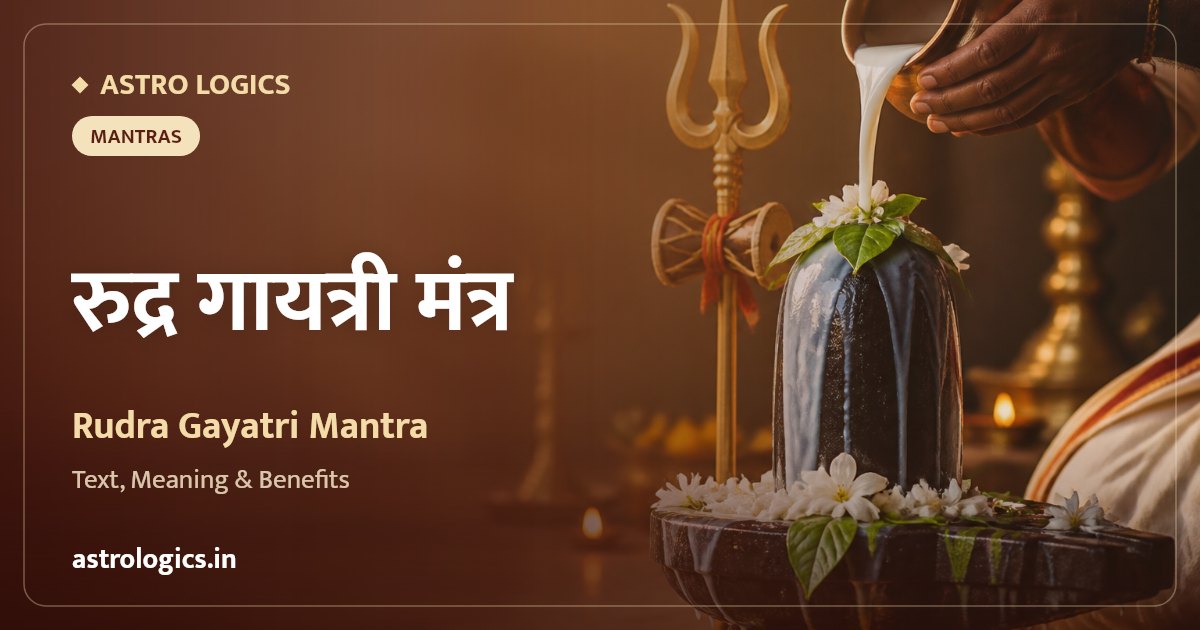
Eight verses to the eternal Shiva of Madurai
The Sadashiva Ashtakam belongs to the devotional literature surrounding the sacred city of Madurai and its presiding deity, Lord Sundareshwara - Shiva in his aspect as the eternally benevolent Sadashiva. The Halasya Mahatmya, from which this ashtakam is drawn, is a Tamil Shaiva scripture that celebrates the glory of the Meenakshi-Sundareshwara shrine. Each of the eight verses builds a meditative image of Sadashiva adorned with the attributes of grace, transcendence, and maternal compassion, before culminating in the refrain sada namah shivaya - an ever-renewed bow to Shiva. This structural device turns the hymn into a rhythmic mantra cycle, each verse completing one round of devotional offering before the refrain resets the heart to humility.
In the Jyotish tradition, Shiva is intimately associated with Saturn (Shani) as the deity who governs karma, time, and ultimate liberation; chanting hymns to Sadashiva is traditionally believed to soften the rigours of Saturn's transits, including Sade Sati and difficult Shani Mahadashas. Beyond astrological use, the Sadashiva Ashtakam is a longevity prayer - devotees recite it to seek Mahamrityunjaya-like protection, particularly on Shivaratri, Pradosh Vrat, and Monday evenings. The verse-form attributed to the sage Patanjali lends the hymn a particular sense of scriptural gravity, inviting the chanter to approach it with the same focused attention one would bring to yogic practice.