Dwadasa Jyotirlinga Stotra: Saurashtre Somnatham - Text, Meaning & Benefits
Dwadasa Jyotirlinga Stotra - Sanskrit Text
सौराष्ट्रे सोमनाथं च श्रीशैले मल्लिकार्जुनम् ।
उज्जयिन्यां महाकालमोङ्कारममलेश्वरम् ॥ १॥
परल्यां वैद्यनाथं च डाकिन्यां भीमशङ्करम् ।
सेतुबन्धे तु रामेशं नागेशं दारुकावने ॥ २॥
वाराणस्यां तु विश्वेशं त्र्यम्बकं गौतमीतटे ।
हिमालये तु केदारं घुश्मेशं च शिवालये ॥ ३॥
एतानि ज्योतिर्लिङ्गानि सायं प्रातः पठेन्नरः ।
सप्तजन्मकृतं पापं स्मरणेन विनश्यति ॥ ४॥
Transliteration (Roman/IAST)
saurāṣṭre somanāthaṁ ca śrīśaile mallikārjunam |
ujjayinyāṁ mahākālam oṅkāram amaleśvaram || 1 ||
paralyāṁ vaidyanāthaṁ ca ḍākinyāṁ bhīmaśaṅkaram |
setubandhe tu rāmeśaṁ nāgeśaṁ dārukāvane || 2 ||
vārāṇasyāṁ tu viśveśaṁ tryambakaṁ gautamī-taṭe |
himālaye tu kedāraṁ ghuśmeśaṁ ca śivālaye || 3 ||
etāni jyotir-liṅgāni sāyaṁ prātaḥ paṭhen naraḥ |
sapta-janma-kṛtaṁ pāpaṁ smaraṇena vinaśyati || 4 ||
Meaning
Somnath in Saurashtra (Gujarat), and Mallikarjuna at Sri Shaila; Mahakala at Ujjain, and Omkareshwar (Amaleshwar); Vaidyanath at Paralya (Deoghar), and Bhimashankar in Dakini; Ramesha (Rameshwaram) at Setubandha, and Nagesha (Nageshwar) in the Daruka forest; Vishwesha (Vishwanath) at Varanasi, and Tryambaka on the banks of the Gautami (Godavari); Kedara (Kedarnath) in the Himalayas, and Ghushmesha (Grishneshwar) at Shivalaya.
Whoever recites these twelve Jyotirlingas at dusk and at dawn - by this very remembrance, the sins committed across seven births are destroyed.
About this Stotra
The Dwadasa Jyotirlinga Stotra is a short and immensely popular Sanskrit hymn that names, in just four verses, the twelve sacred Jyotirlingas - the "lingams of light" - of Lord Shiva spread across the length and breadth of India. A Jyotirlinga is a shrine where Shiva is believed to have manifested as a fiery column of light, an aniconic pillar of his infinite, formless reality. The hymn is essentially a sacred geography of Shiva worship, beginning at Somnath on the western coast of Gujarat and travelling through Andhra, Madhya Pradesh, Maharashtra, Jharkhand, Tamil Nadu, Uttar Pradesh, Uttarakhand and back - uniting the entire subcontinent in a single garland of remembrance. The closing verse states its purpose plainly: that reciting these names morning and evening washes away the sins of seven lifetimes.
Significance & Spiritual Benefits
This brief stotra is treasured precisely because it makes the immense merit of pilgrimage available to everyone, everywhere. One who cannot physically visit the twelve shrines may still gather their blessings by reciting their names with devotion. The phala-shruti (statement of fruit) promises that this remembrance destroys the accumulated sin of seven births - bringing purification, peace of mind, protection, and the steady grace of Lord Shiva. Devotees chant it for the removal of obstacles, freedom from fear and disease (Vaidyanath being the divine physician), longevity, and ultimately for liberation, which is Shiva's supreme gift. Reciting the names is also a beautiful daily meditation on the all-pervading presence of the Lord across the sacred land.
Astrological Relevance
Lord Shiva is the master of Saturn (Shani) and of time (Kala) - indeed Mahakala at Ujjain, named in this very hymn, is Shiva as the Lord of Death and Time. Shiva worship is therefore the foremost remedy for Saturn's trials: Sade Sati, the dhaiya, and a malefic or debilitated Shani. The Vaidyanath Jyotirlinga is invoked for health and relief from chronic illness, tying the hymn to the healing of the sixth house and to afflictions of the body. Because Shiva wears the crescent Moon, the stotra also benefits those with a weak or distressed Moon (Chandra), calming the mind. Reciting the Dwadasa Jyotirlinga Stotra on Mondays, on Pradosha, and during Shravana is a classic devotional remedy to strengthen these planetary influences and invite Shiva's protection.
How to Chant (Vidhi)
After bathing, sit before a Shiva lingam or image, facing east or north. Light a lamp, offer bilva (bel) leaves, white flowers and water, and apply vibhuti (sacred ash). Begin with "Om Namah Shivaya," then recite the four verses at dawn and again at dusk, as the hymn itself prescribes (sāyaṁ prātaḥ). Dwell on each shrine as you name it, visualising the Jyotirlinga and bowing inwardly. Offering water or milk abhisheka to the lingam while reciting enhances the worship. Conclude with pranams and a prayer for purification and protection.
Best Day & Time
Monday (Somavara), sacred to Shiva, is the most auspicious day, along with the twilight of Pradosha (the thirteenth lunar day). The hymn is meant to be recited at dawn and dusk daily. Maha Shivaratri and the entire month of Shravana are supremely powerful for its recitation, and Saturdays are favoured by those chanting it as a remedy for Saturn.
Frequently Asked Questions
What is a Jyotirlinga?
A Jyotirlinga is a shrine where Lord Shiva is believed to have appeared as a "linga of light" - a self-manifested pillar of infinite radiance. There are twelve such supremely sacred Jyotirlingas across India, and this stotra names all of them in order.
What are the twelve Jyotirlingas named in this hymn?
They are Somnath (Gujarat), Mallikarjuna (Srisailam, Andhra Pradesh), Mahakaleshwar (Ujjain), Omkareshwar (Madhya Pradesh), Vaidyanath (Deoghar, Jharkhand), Bhimashankar (Maharashtra), Rameshwaram (Tamil Nadu), Nageshwar (Gujarat), Vishwanath (Varanasi), Tryambakeshwar (Nashik), Kedarnath (Uttarakhand) and Grishneshwar (Maharashtra).
What benefit does reciting it give?
The hymn's own closing verse promises that reciting the twelve Jyotirlingas at dawn and dusk destroys the sins of seven births. Devotees recite it for purification, protection, health, peace of mind and the grace of Lord Shiva - gaining the merit of pilgrimage without travelling to each shrine.
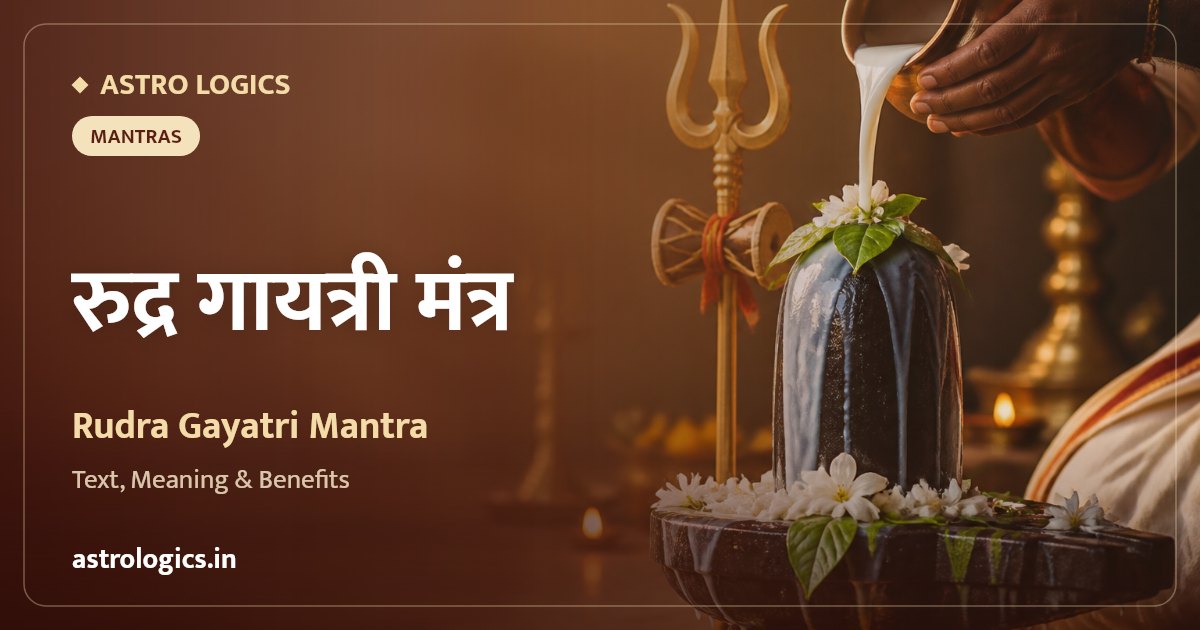
Four verses that map the entire sacred landscape of Shiva's India
The Dwadasa Jyotirlinga Stotra accomplishes something remarkable in its four tightly woven verses: it names and locates all twelve of the most sacred Shiva shrines across the Indian subcontinent, from Somnath on the western coast of Saurashtra to Grishneshwar near Aurangabad in the Deccan. For millions of devotees who may never complete the physical pilgrimage to all twelve, reciting these verses is understood as an act of inner pilgrimage - the devout mind visits each shrine, bows at each lingam, and receives the blessings of Lord Shiva in all his forms. The stotra thus compresses a lifetime of tirtha yatra into a few minutes of sincere chanting.
Devotees across India recite this hymn on Mondays, during Shravan month, on Pradosha evenings, and above all on Maha Shivaratri, when its recitation is believed to be especially potent. In the Jyotish tradition, this stotra's relevance extends beyond Shiva's planetary association with Saturn: because it encompasses Shiva in his role as Mahakala, the master of time, it is considered beneficial for easing the burdens of major dasha periods and transits. The traditional belief that its recitation destroys the accumulated karma of seven lifetimes reflects the depth of the grace devotees associate with Shiva's presence in the Jyotirlingas - light-lingas, places where the divine manifested as pure luminous energy.